


















The Nothing Phone 3 represents a bold move by the company into the premium smartphone sector, positioning itself directly against industry giants like Google, Samsung, and Apple. Priced identically to current flagship models, it aims to justify its premium tag through distinctive design and innovative software features. The most notable change is the shift from the traditional Glyph interface to a new, more compact Glyph Matrix, a circular dot matrix display on the phone's rear. This review delves into whether Nothing's latest offering can truly compete with the established players, examining its unique design, software experience, hardware specifications, and camera performance.
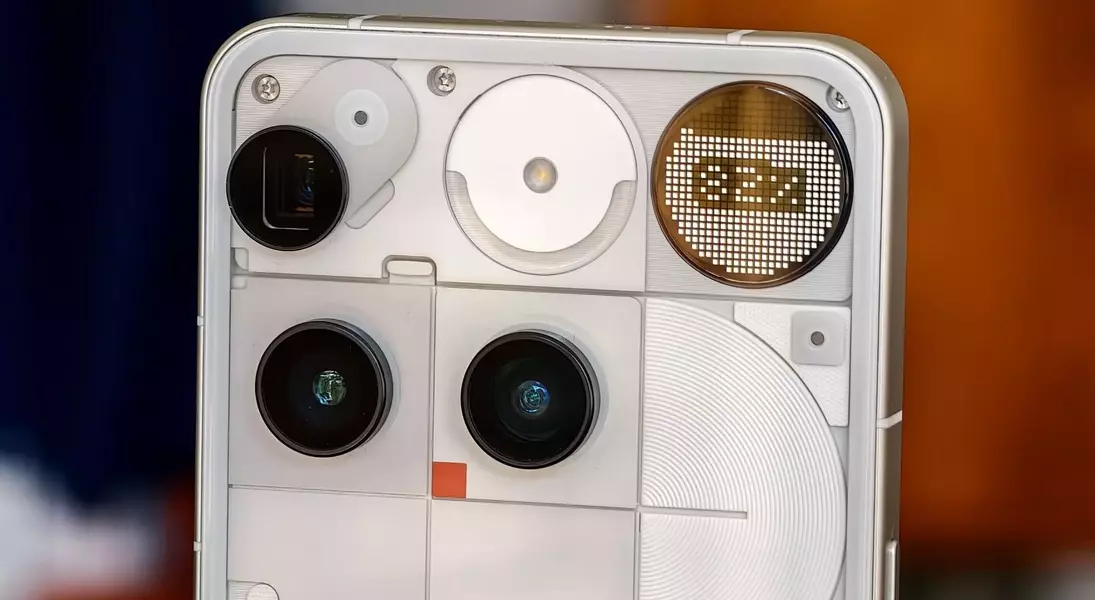
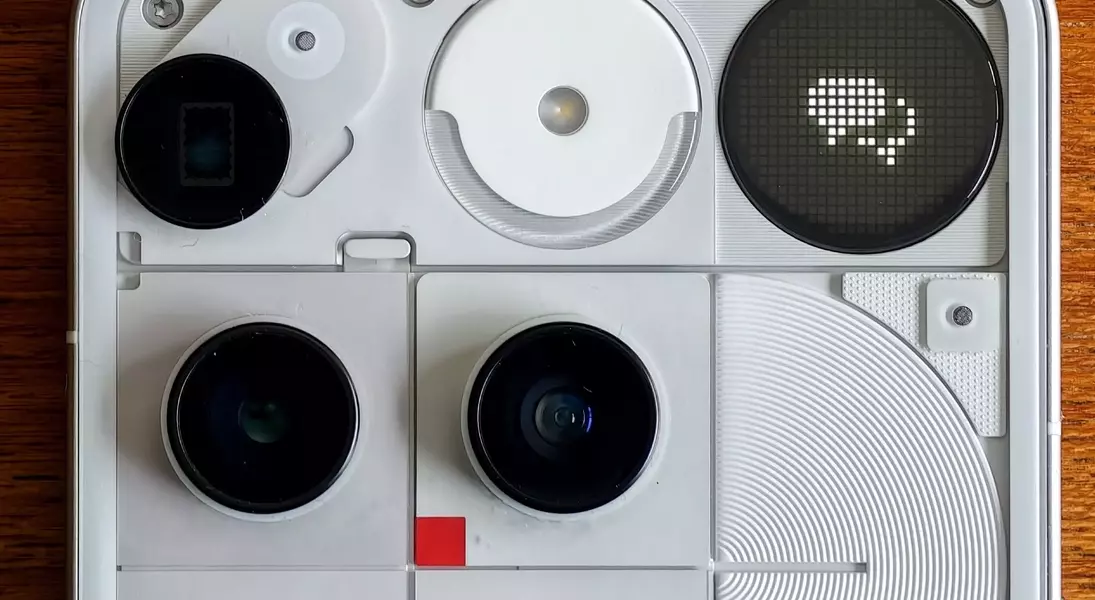
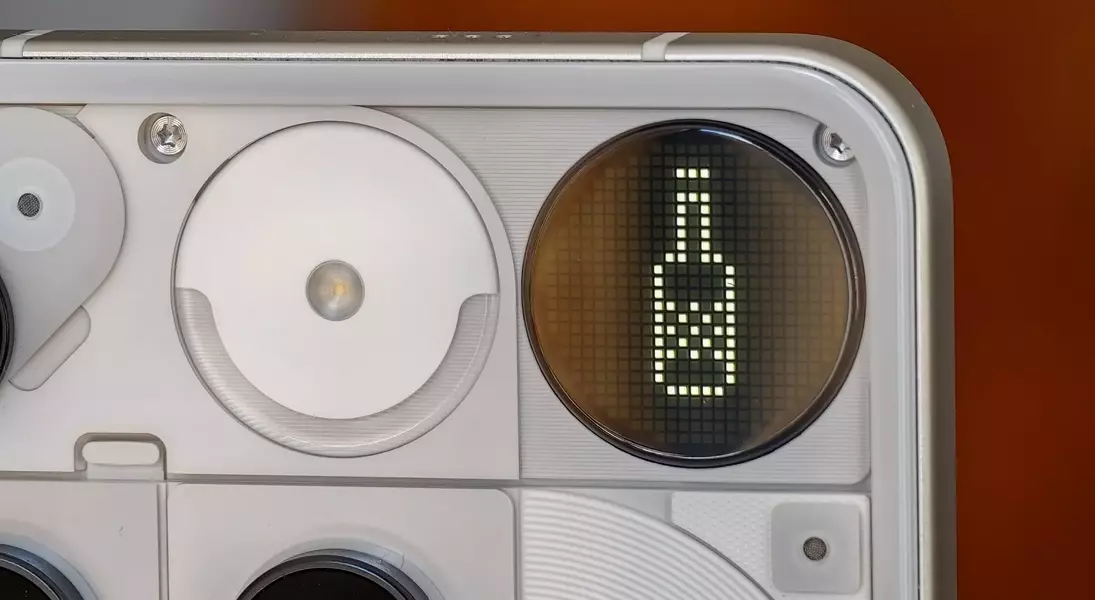
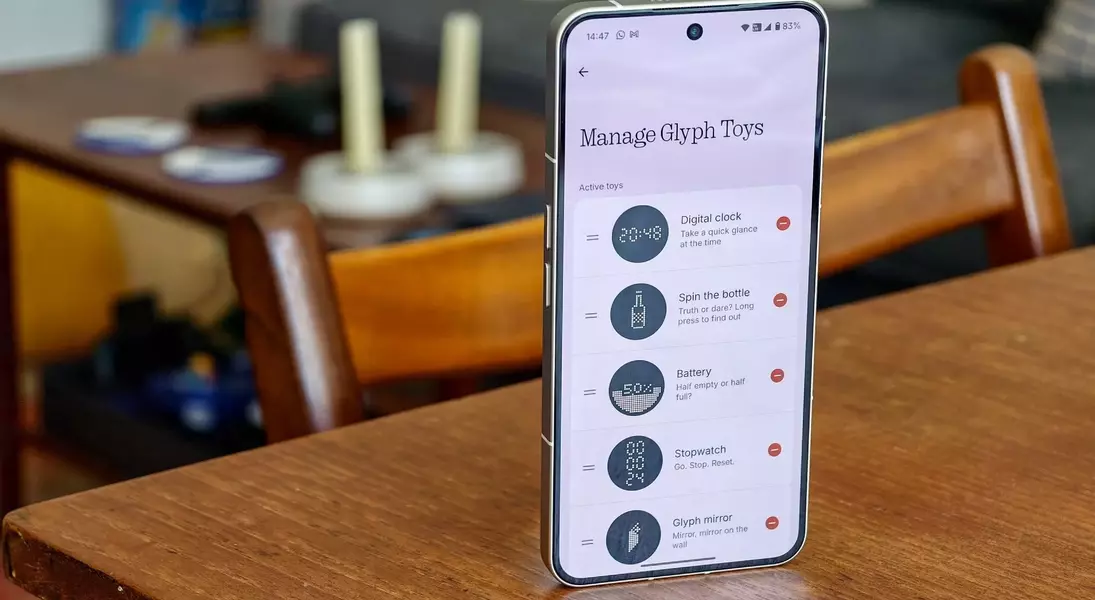
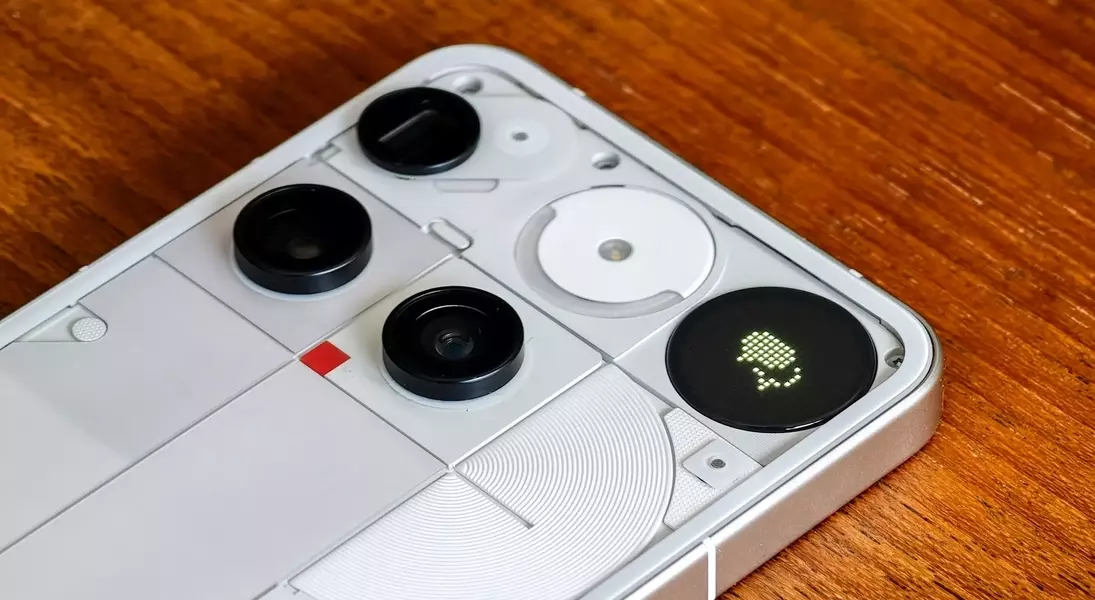
A central talking point of the Phone 3 is its updated Glyph Matrix, a smaller and more refined version of the LED lighting system seen in previous models. This circular display moves beyond simple light patterns, offering the capability to show images and icons, making notifications more intuitive. Users can assign specific emojis or custom images to contacts and apps, transforming a mere light show into a personalized communication tool. While this requires manual setup for each contact and application, it promises a more practical and engaging user experience. The Glyph Matrix also incorporates functional elements like a time display or battery indicator, and even playful features such as a 'spin the bottle' game. Despite these enhancements, the Glyph Matrix faces criticism for its "gimmicky" nature, especially given that similar secondary screen functionalities have appeared on other devices, such as the Asus ROG phones.
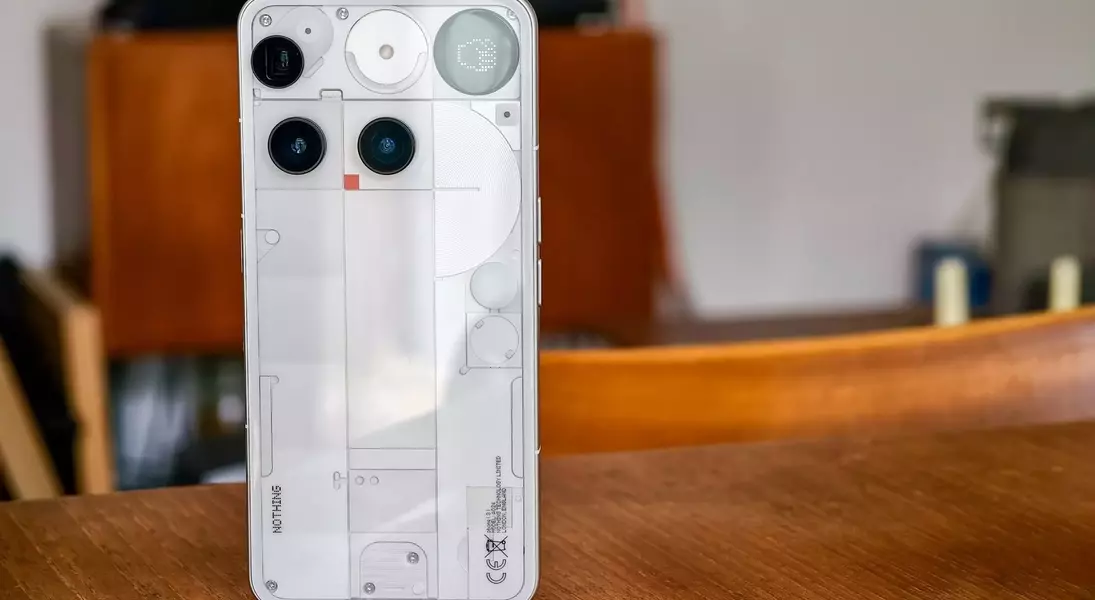
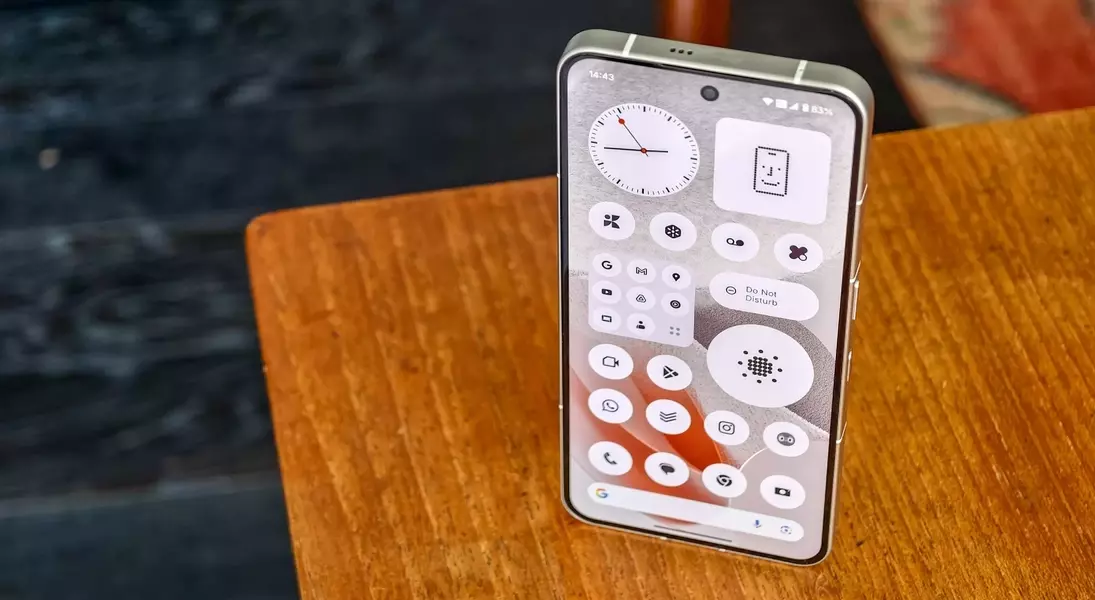
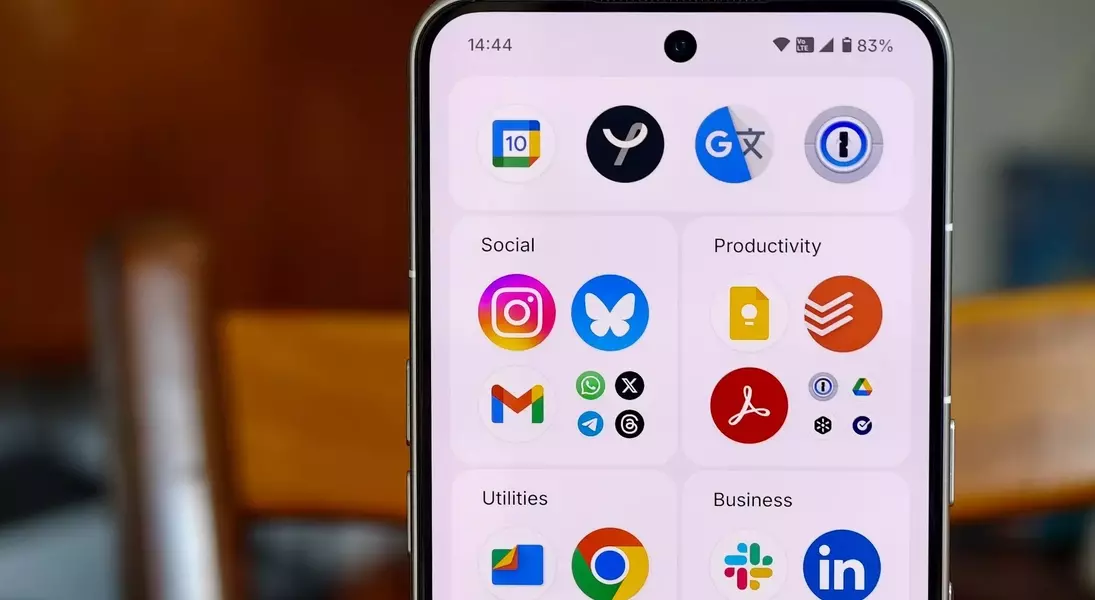
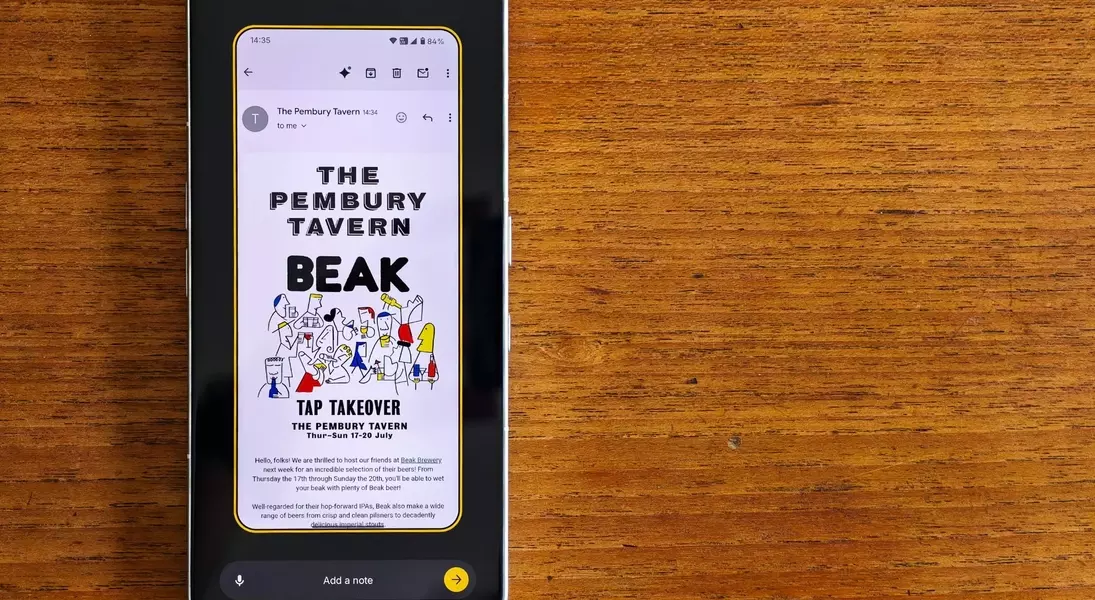
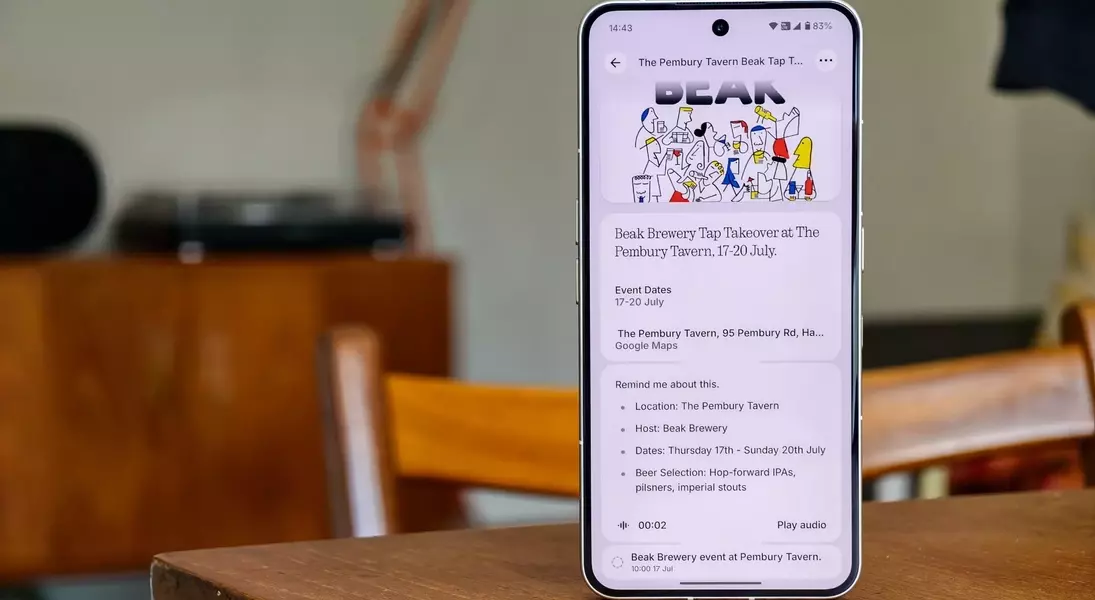
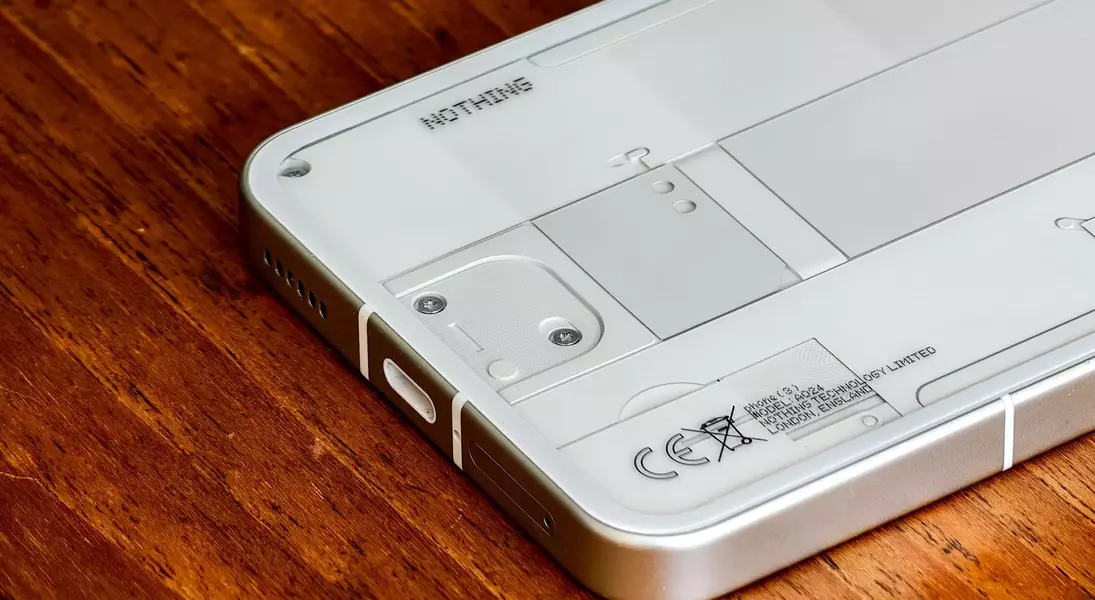
Beyond the Glyph Matrix, the Phone 3's overall design has generated mixed reactions. The decision to condense the Glyph interface leaves the rest of the phone's rear largely unadorned, creating an asymmetrical aesthetic with the cameras and other details clustered at the top and a significant amount of empty space below. This departure from Nothing's signature detailed design language has led some to view it as a design misstep. However, the software experience, powered by Nothing OS 3.5 atop Android 15, maintains the brand's minimalist and monochrome identity. This operating system offers extensive customization options, including granular control over the quick settings menu. While the grayscale interface is visually striking, it can sometimes hinder app icon recognition, though users have the option to revert to standard colorful icons. Furthermore, new AI-driven features like a global search bar and an enhanced 'Essential Space' aim to improve usability, offering intelligent event reminders and audio summaries, albeit with some limitations on usage.
Under the hood, the Phone 3 comes equipped with a Snapdragon 8S Gen 4 chipset. While Nothing has branded this as a "flagship" processor, it is acknowledged to be on the lower end of the high-performance spectrum, less potent than the Snapdragon 8 Elite found in some competitors. Nevertheless, in practical use, the phone has demonstrated smooth performance, capable photo processing, and comfortable gaming, aligning its capabilities with Google's Tensor chips. The Phone 3 also excels in several key hardware areas: it offers 12GB of RAM and 256GB of storage as standard, doubling the base capacity of many rivals. Its 5,150mAh battery provides reliable all-day power, complemented by a fast 65W wired charging capability. The 6.67-inch 120Hz OLED display is bright and vibrant, though its overall quality is on par with, rather than superior to, other high-end smartphones.
Regarding camera performance, Nothing has made significant strides with a triple rear camera setup, each featuring 50-megapixel sensors, including the selfie camera. The company claims to have refined its software processing to produce richer shadows and more natural highlights. In optimal lighting conditions, the main camera delivers appealing results. However, its performance diminishes in low-light environments, with tendencies toward overexposure in highlights and crushed blacks. The telephoto lens emerges as a strong point, producing pleasing images with attractive bokeh, especially in macro mode, giving it a potential edge over some rivals that lack this feature. Despite these improvements, the Phone 3's cameras still generally lag behind the top-tier flagships, and inconsistencies in color tuning between lenses are noticeable. This means that while the Phone 3 offers a compelling package with its unique design and robust core specifications, potential buyers must weigh these benefits against the camera and processing power of established competitors, especially as new models from Google and Apple are on the horizon that could further close any existing gaps.
Ultimately, the Nothing Phone 3 presents a compelling proposition for those seeking a smartphone that stands out from the crowd. Its generous storage, extended battery life, and rapid charging speeds offer clear advantages over many current flagships. However, its processing power and camera system, while competent, do not consistently match the leading devices from more established brands. The Phone 3's distinctive aesthetic, particularly the Glyph Matrix, remains a polarizing element; for some, it is a creative highlight, while for others, it raises questions about practical utility versus novelty. Choosing the Phone 3 hinges on a user's preference for form over absolute function. If a unique visual identity and a solid, if not class-leading, performance package are priorities, the Phone 3 offers a fresh alternative in a crowded market.
