Returning to a beloved video game after a significant period can often evoke a mix of nostalgia and self-reflection. For many, titles like Animal Crossing: New Horizons become unintentional digital time capsules, preserving not just game progress but also echoes of the player's life during the time of active play. This article delves into one such deeply personal journey of rediscovery, examining how a simple return to a virtual island can unearth forgotten creative choices and powerful emotional connections to a tumultuous past.
Revisiting the Digital Island: A Personal Chronicle of Animal Crossing's Enduring Impact
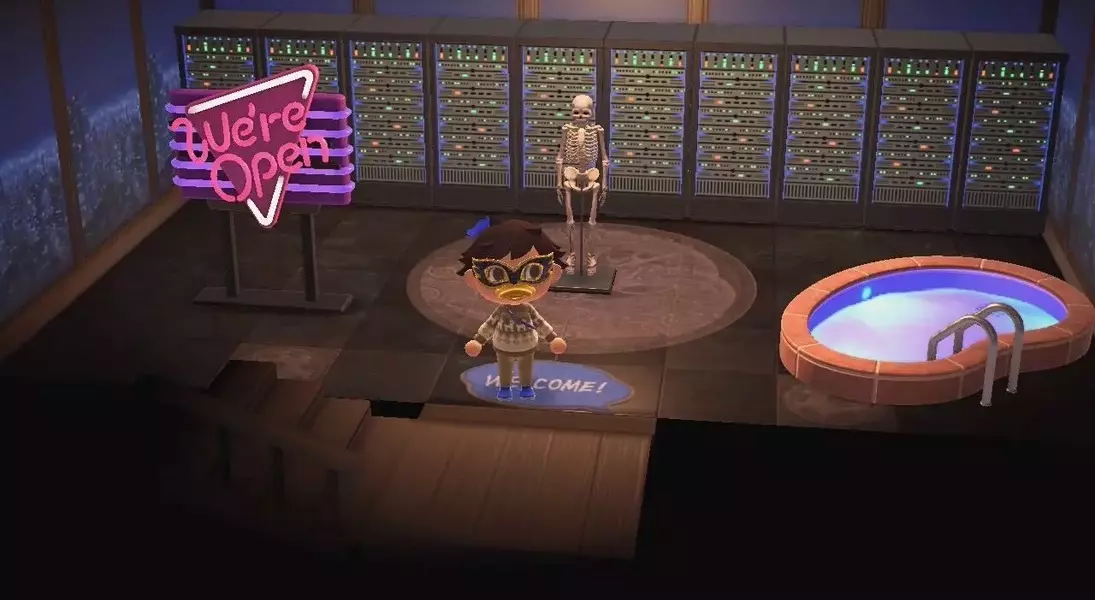
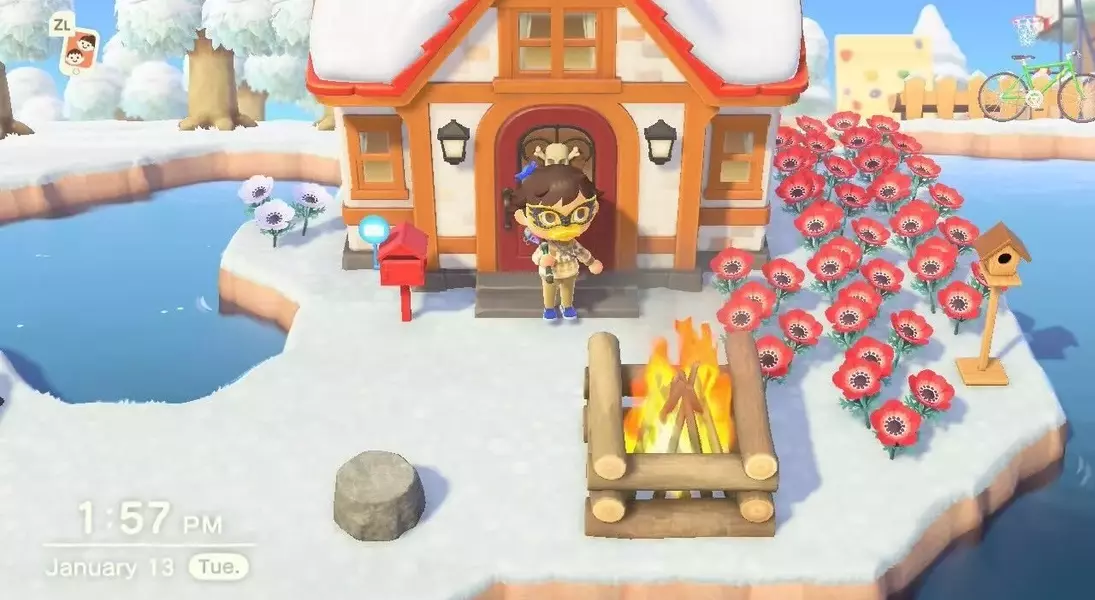
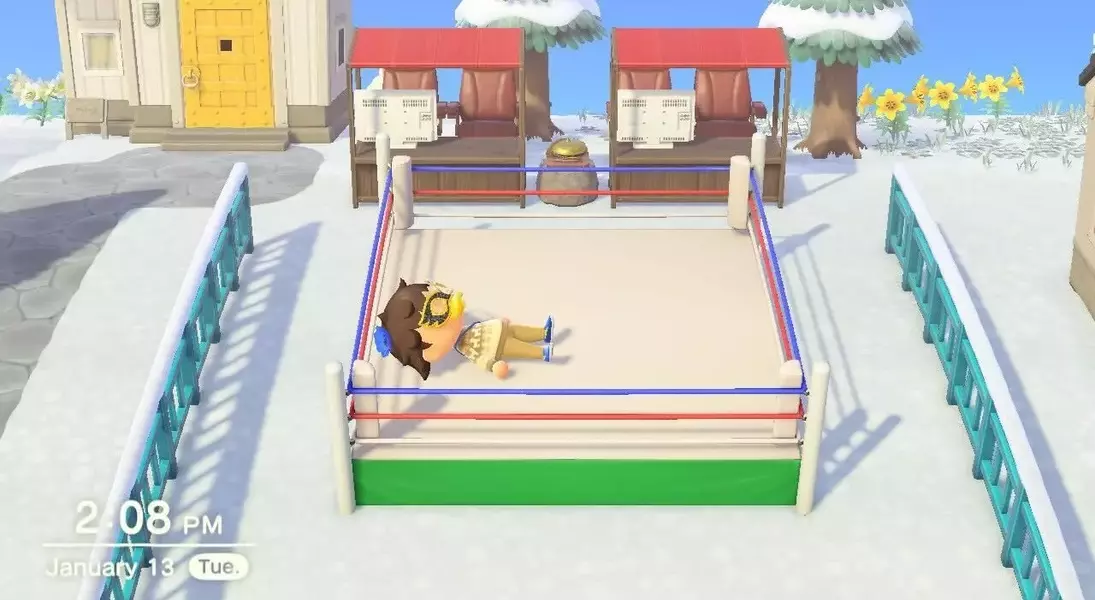
In a poignant moment of reflection, as the highly anticipated 3.0 update for Animal Crossing: New Horizons approached, a dedicated player embarked on a journey back to their virtual island, 'Big Sky,' after a four-year absence. What began as a casual reacquaintance with familiar surroundings and friendly animal residents quickly took an unexpected turn upon entering the protagonist's in-game basement. There, a bizarre and forgotten creation awaited: a fusion of a neon 'welcome' sign, a swimming pool, a skeleton, and a wall of menacing servers, all devoid of the island's usual cheerful ambiance. This unsettling tableau served as an immediate reminder of the player's mental state during their last active period in the game.
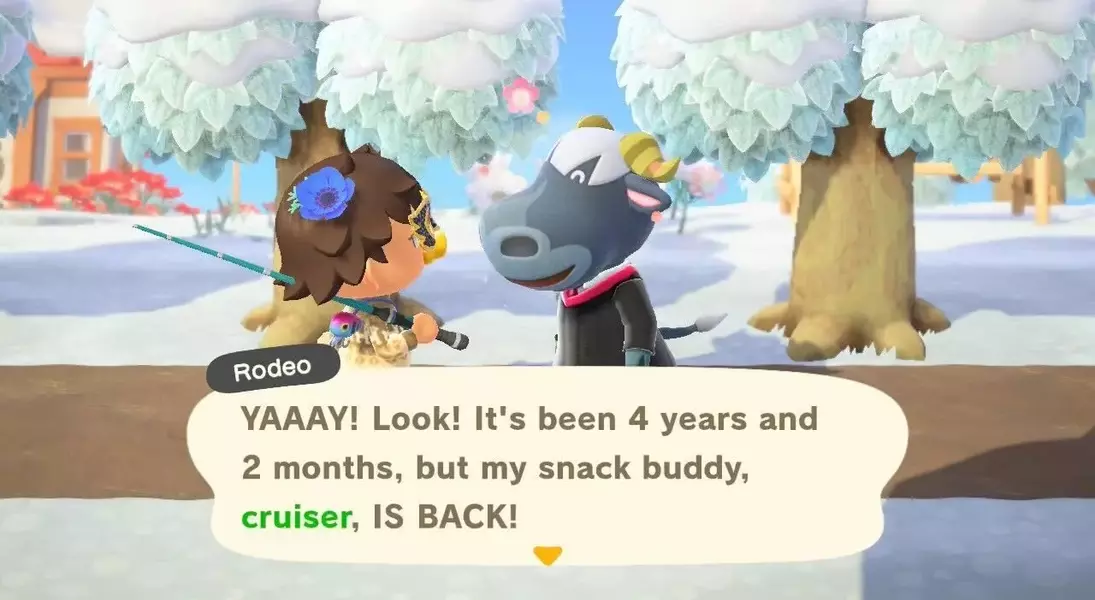
This unique experience, a blend of personal memory and digital landscape, mirrors what many returning players are expected to face. The game's peak popularity, coinciding with the global upheaval of the 2020 COVID-19 pandemic, imbued it with an unforeseen emotional resonance. The virtual island, once a serene escape, had unknowingly become a repository of anxieties and coping mechanisms. The author vividly recalls starting a new role at Polygon just as lockdowns began, transforming the game into an outlet for social interaction and creative expression during isolation. This period led to peculiar design choices, such as a satirical gated community reflecting concerns about class inequality and an aforementioned 'creepy basement' attributed to 'cabin fever.' Unlike older Animal Crossing titles where prolonged absence brought significant in-game consequences, New Horizons offers a more forgiving return. While digital cockroaches might appear, the passage of time doesn't lead to villagers abandoning the island, making the emotional baggage carried by the player the most challenging aspect of their return. A chance encounter with Rodeo, a bull villager the player had once believed disliked them, offered an unexpected moment of acceptance, highlighting the game's utopian capacity to welcome players back without judgment, regardless of how much time has passed or how much the real world has transformed them.
This narrative provides a compelling insight into the profound ways virtual spaces can intersect with personal history and emotional well-being. It highlights how games, beyond mere entertainment, can serve as archives of our past selves and our coping mechanisms during challenging times. The author's journey encourages us to consider the often-unseen emotional weight carried within our digital creations and the surprising solace found in familiar, non-judgmental virtual communities.
