



This article explores the enduring appeal and nostalgic charm of the 1990s "Chicken Kitchen" aesthetic, a design trend that brought warmth, comfort, and a touch of rural simplicity into countless homes. It reflects on how these spaces fostered a sense of security and belonging, contrasting them with today's often sterile, minimalist designs and advocating for a revival of this beloved, whimsical style.
Embrace the Past: Reclaiming the Warmth of Country Kitchens
Childhood Kitchen Memories: A Sanctuary of Comfort and Whimsy
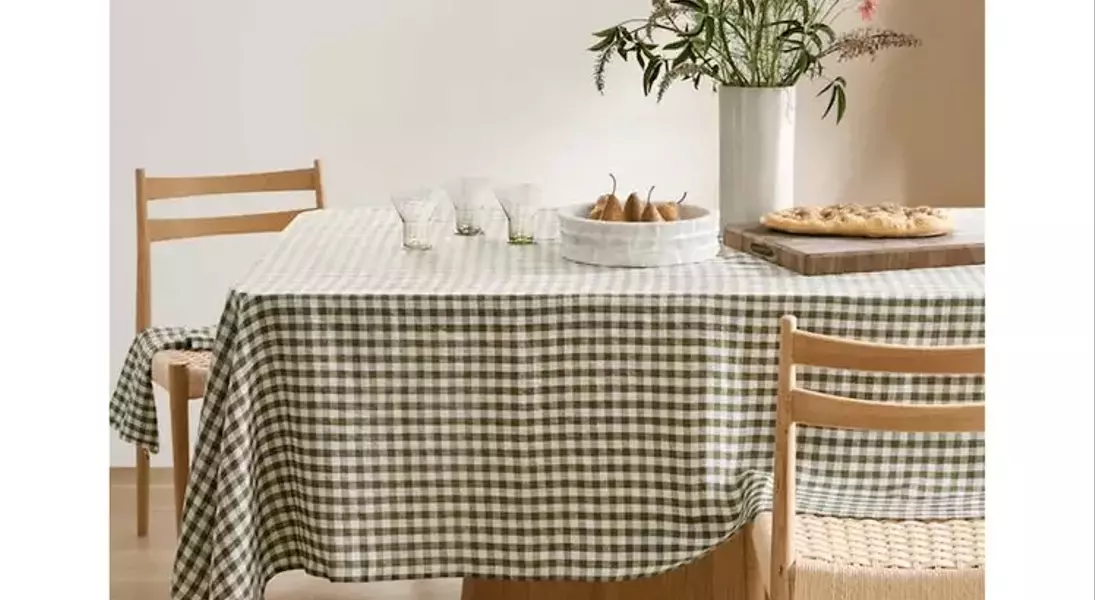
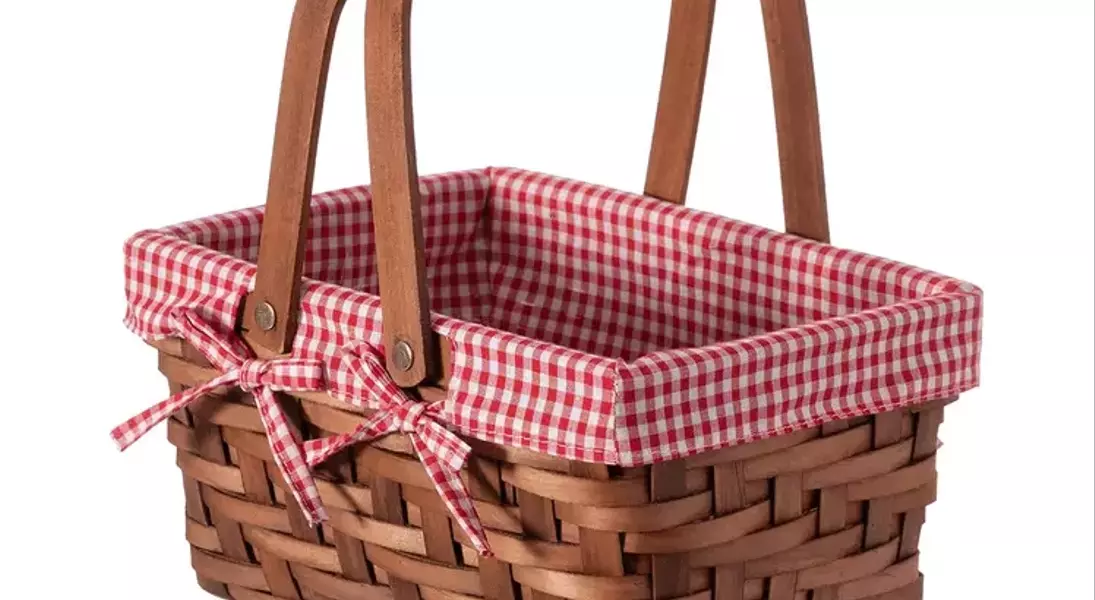
In 1998, at the tender age of five, the author found profound comfort and joy in her mother's kitchen. It was more than just a place for snacks; it was a haven adorned with classic farmhouse elements: a green gingham tablecloth, charming valances, and a Longaberger basket brimming with red apples. Despite her mother's aversion to baking, the kitchen exuded a delightful, almost cartoonish, warmth, suggesting freshly baked pies and a welcoming atmosphere. This space was a vibrant embodiment of the '90s "Chicken Kitchen" vibe, a style that prioritized coziness and a familial feel.
The Allure of the '90s Country Kitchen: A Shared Sense of Belonging
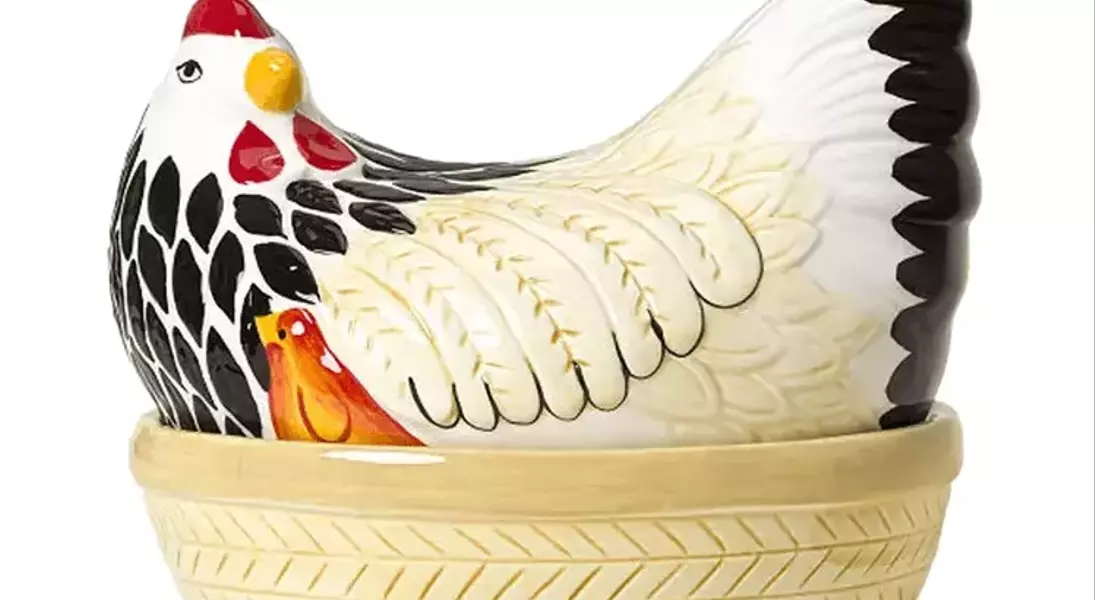
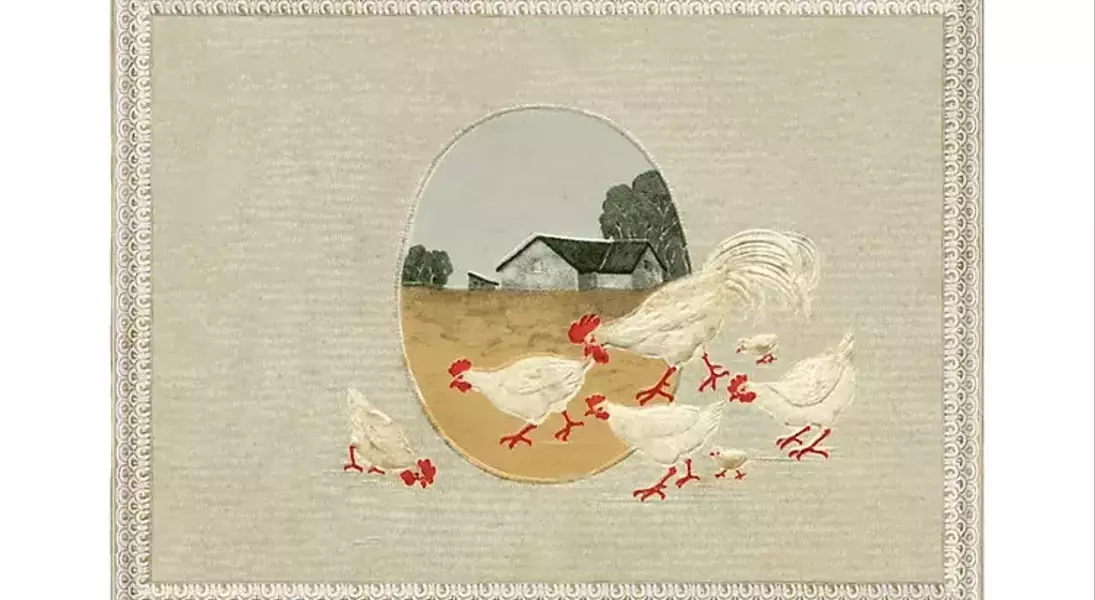
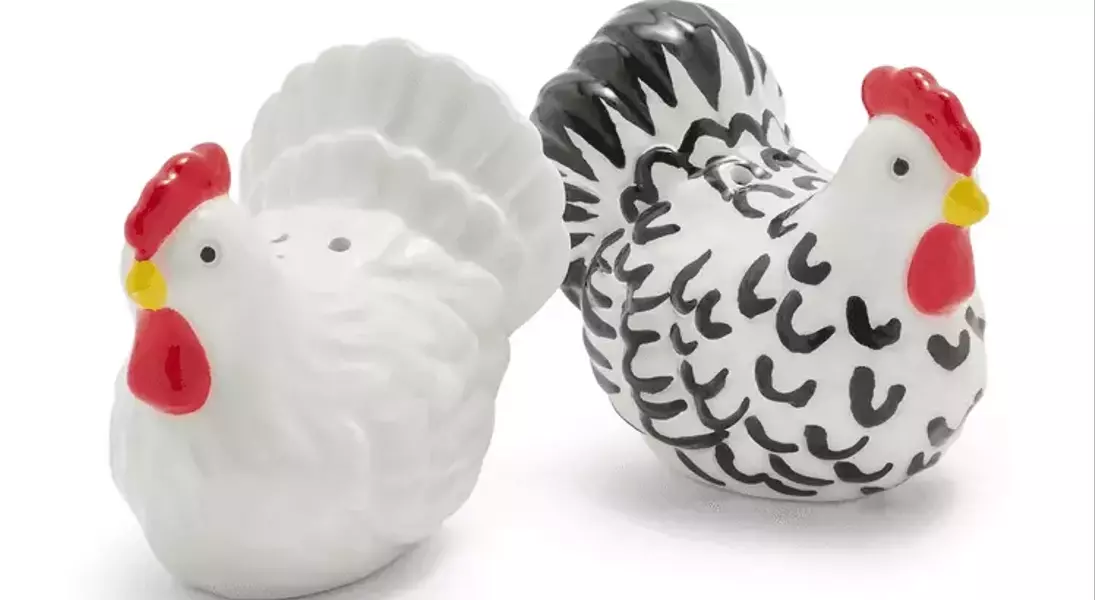
Now in her thirties, the author deeply longs for the distinctive character of the '90s "Chicken Kitchen." This decor style, with its honey-toned wooden cabinets and inviting layouts, represented a collective ideal of provincial happiness and served as a backdrop for family gatherings and cherished holiday traditions, often accompanied by the sounds of country music. The omnipresence of chicken and rooster motifs, whether on stoneware or prints, defined these spaces. They evoked a romanticized image of farm life, making guests feel as though fresh eggs were always at hand, even for those far removed from any actual farm.
A Widespread Phenomenon: The Comfort of Familiarity
What truly endeared the "Chicken Kitchen" to the author was its universal presence. As an introverted child, she found immediate ease and familiarity upon entering any friend's home that featured a rooster or a cheerful country goose. This style transcended individual tastes, creating a comforting common ground.
Beyond Chickens: Diverse Countryside Inspirations
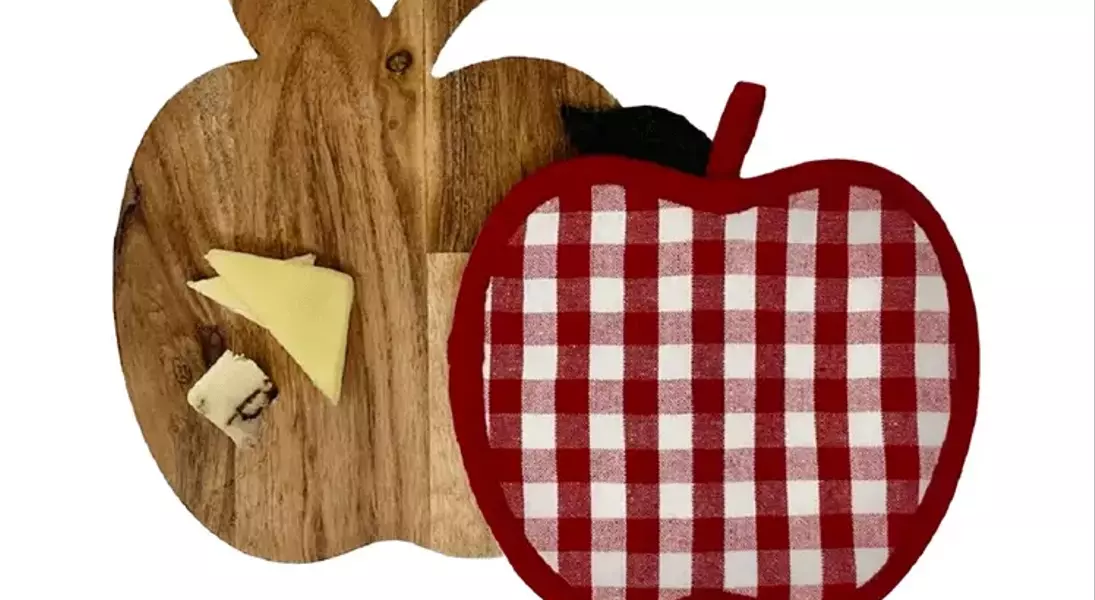
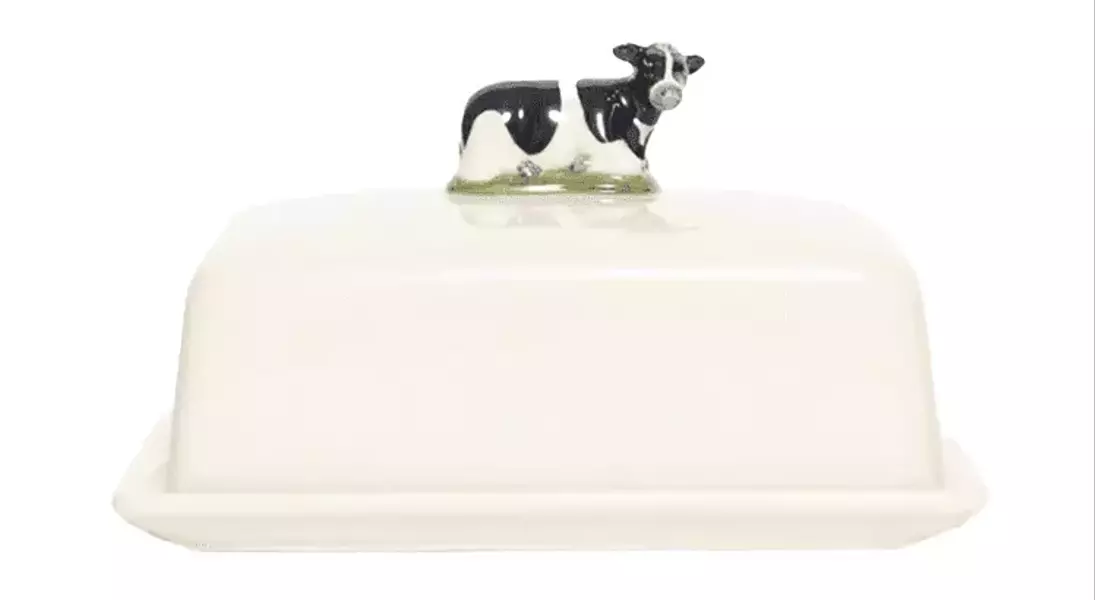
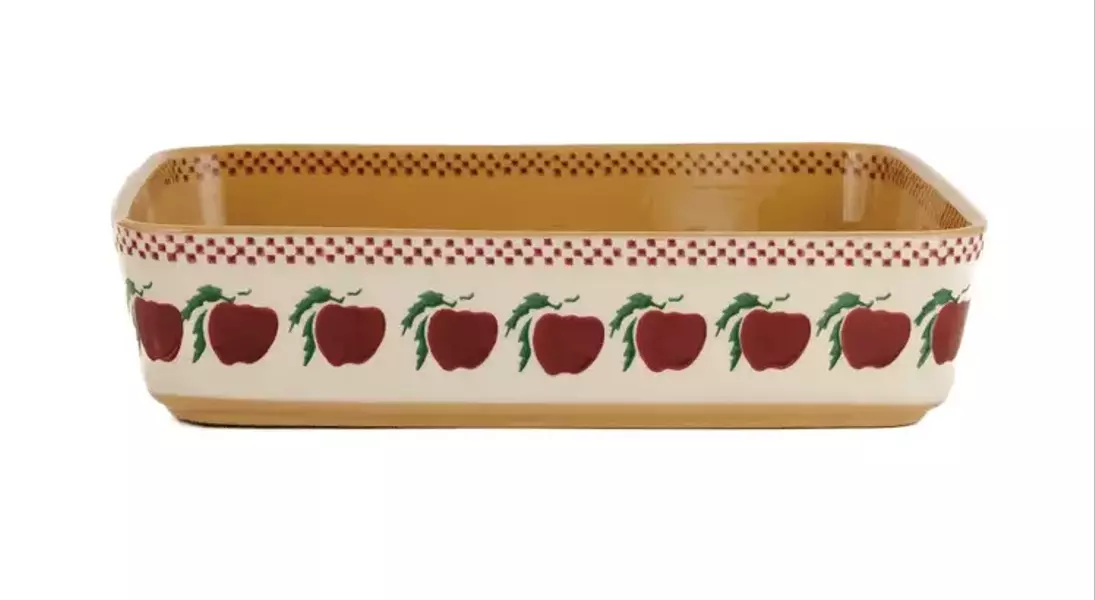
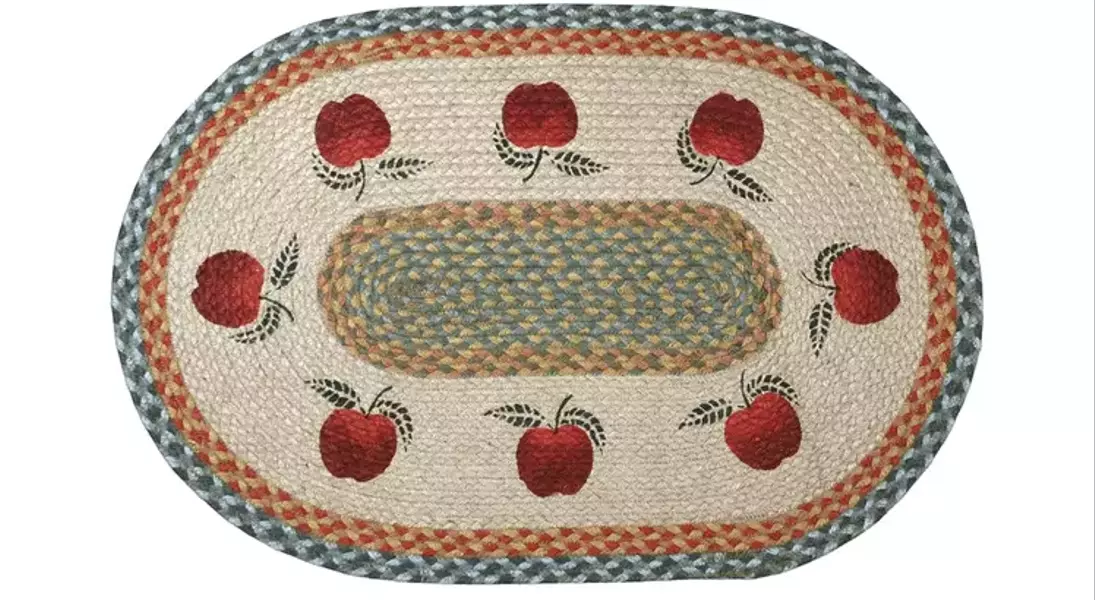
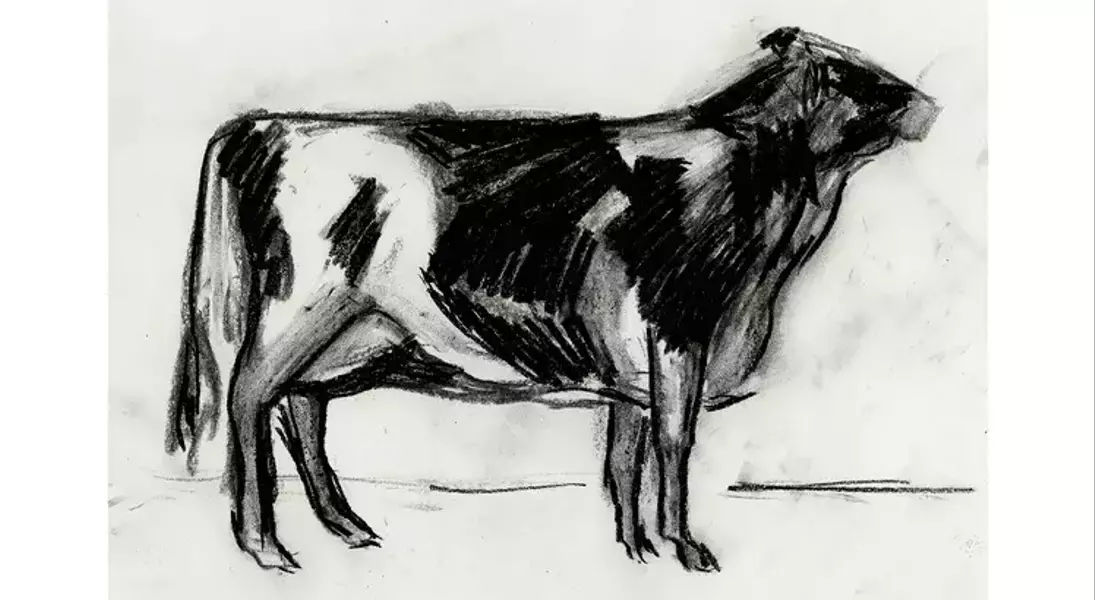
Even for those who didn't fully embrace the chicken theme, the essence of the country kitchen remained. The author recalls neighbors who opted for cow-themed decor, featuring cow-shaped canisters, matching linens, and an array of cow figurines. Another classmate's family showcased an impressive dedication to apples, with apple-printed borders gracing their entire kitchen and dining area. These variations highlight a shared desire for rustic charm and warmth.
A Call for Authenticity: Rediscovering the Heart of the Home
The precise reasons behind this widespread embrace of pastoral decor remain somewhat elusive. Perhaps it stemmed from a collective yearning for simpler, agrarian times, or perhaps it was influenced by popular culture figures like Paula Deen. Regardless, the author asserts that the '90s "Chicken Kitchen" provided a sense of security, welcome, and love—qualities that define an ideal family kitchen. She laments the modern trend towards sterile, uninspired kitchens with sleek stainless-steel appliances, finding them utterly bland compared to the whimsical geese in bonnets and the comforting apple motifs of the past. She dismisses the "modern farmhouse" trend as a superficial imitation, longing instead for genuinely homey and bucolic spaces featuring honey oak, buttery yellow paint, lazy Susans, and skirted cabinets. Forgoing expensive espresso machines and designer cookware, her true desire is for a country goose cookie jar and vintage Corningware. The author passionately invites readers to join her in bringing back the cherished "Chicken Kitchen" era, promising a warm welcome to all who enter her revived, cozy haven.
