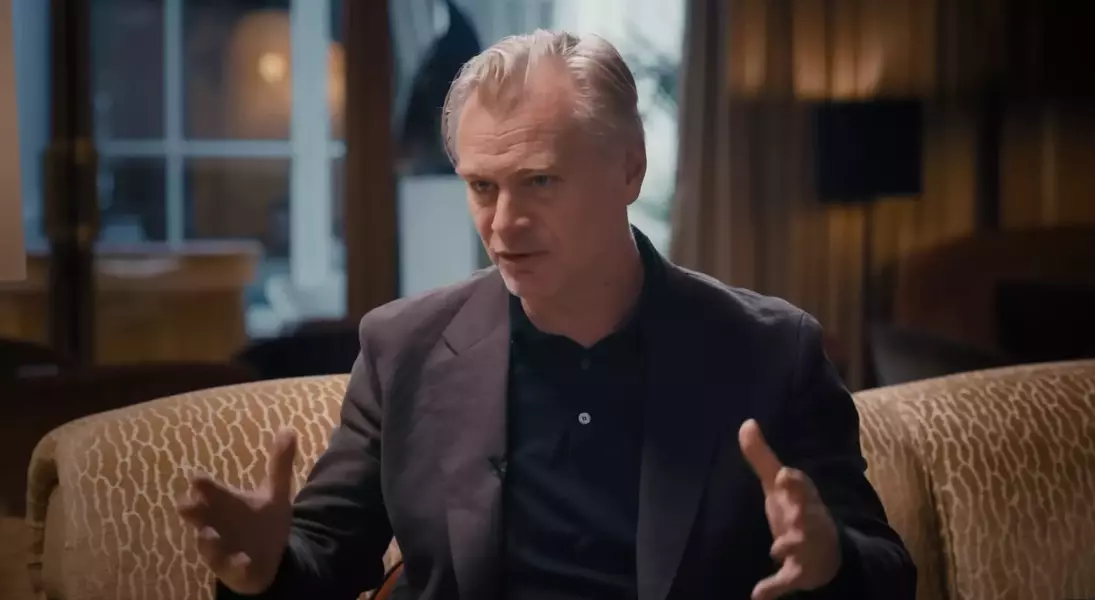
In a candid interview, acclaimed filmmaker Christopher Nolan recently shared his insightful perspective on artificial intelligence, describing it as a "transparent Trojan horse." He observes a notable and widespread skepticism towards AI, particularly among younger demographics, contrasting sharply with the often enthusiastic rhetoric from tech leaders. Nolan advocates for a critical approach to technological advancements, urging individuals to question the underlying intentions of those introducing these innovations rather than passively embracing them. This call for healthy skepticism, he notes, resonates with the philosophical traditions of the ancient Greeks, emphasizing the importance of informed discernment in the face of rapid technological change.
Nolan's remarks come at a time when his latest film, "The Odyssey," is poised for significant box office success. His comments on AI have garnered attention, building on previous statements where he highlighted the younger generation's rejection of what they term "AI slop." He argues that this immediate and harsh judgment reflects a fundamental distrust and a healthy dose of caution regarding the technology's true implications. The director suggests that such skepticism is vital for extracting the most beneficial outcomes from new technologies, rather than succumbing to an uncritical acceptance.
Christopher Nolan's Critique of Artificial Intelligence
Christopher Nolan has voiced a profound skepticism regarding artificial intelligence, characterizing it as a "transparent Trojan horse" where the inner workings and potential risks are visible to all. He notes that despite its rapid advancement, AI faces significant public rejection, especially from younger generations who are quick to label subpar AI-generated content as "AI slop." This discerning attitude, Nolan believes, is a healthy response to a technology whose promoters often mask their true intentions. His insights encourage a critical examination of AI, advocating for an approach rooted in questioning rather than blind faith, which he deems essential for the responsible development and integration of new technologies.
Nolan further elaborated on his views during an interview, emphasizing the unprecedented speed of AI's development and the equally rapid and widespread public distrust it has generated. He pointed out that young people, in particular, are highly suspicious of AI, quickly identifying and dismissing content they perceive as low-quality or inauthentic. This strong, immediate reaction suggests a collective wariness that Nolan finds encouraging. He stresses that while technology offers remarkable gifts, it must always be met with skepticism, especially concerning the motivations of those who introduce it. This critical engagement, he argues, is the only way to harness the true potential of new technologies effectively and avoid unintended consequences, echoing the long-standing philosophical tradition of skepticism exemplified by the ancient Greeks.
The Public's Skepticism Towards AI
The public, especially the youth, harbors significant skepticism towards artificial intelligence, viewing it with a critical eye rather than embracing it unconditionally. This distrust is evident in their swift condemnation of AI-generated content, often dismissing it as "slop." This collective caution reflects a deeper concern about the potential societal impacts of AI, particularly given the ambiguous predictions about its future role in the job market and daily life. Such a discerning attitude underscores the public's demand for transparency and accountability in the development and deployment of AI technologies, challenging the narrative of unbridled optimism often presented by tech industry leaders.
Instances of public displeasure with AI have been prominently displayed, with viral videos showing students booing speakers at academic events who enthusiastically promoted AI. These reactions highlight a widespread anxiety about an AI-influenced future, especially when faced with gloomy predictions about its effects on employment and overall quality of life. The contrast between this public sentiment and the "starry-eyed predictions" from some tech visionaries is stark. Rather than passively accepting a future shaped by AI, the public is demonstrating a proactive and critical stance, demanding more than just promises of future benefits. This healthy skepticism, reminiscent of ancient Greek philosophical traditions, serves as a crucial check on technological progress, ensuring that advancements are evaluated thoughtfully and responsibly.
