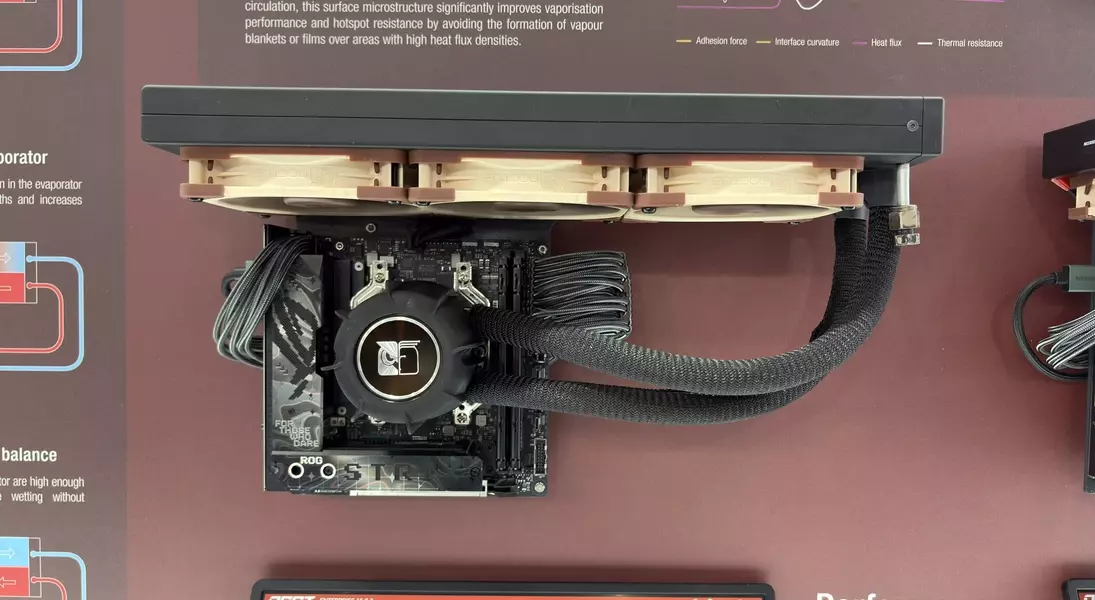
At Computex in Taiwan, Noctua showcased an upgraded version of its innovative pumpless liquid cooling system. This advanced prototype has now achieved a level of thermal performance that positions it as a direct competitor to conventional all-in-one (AIO) liquid coolers.
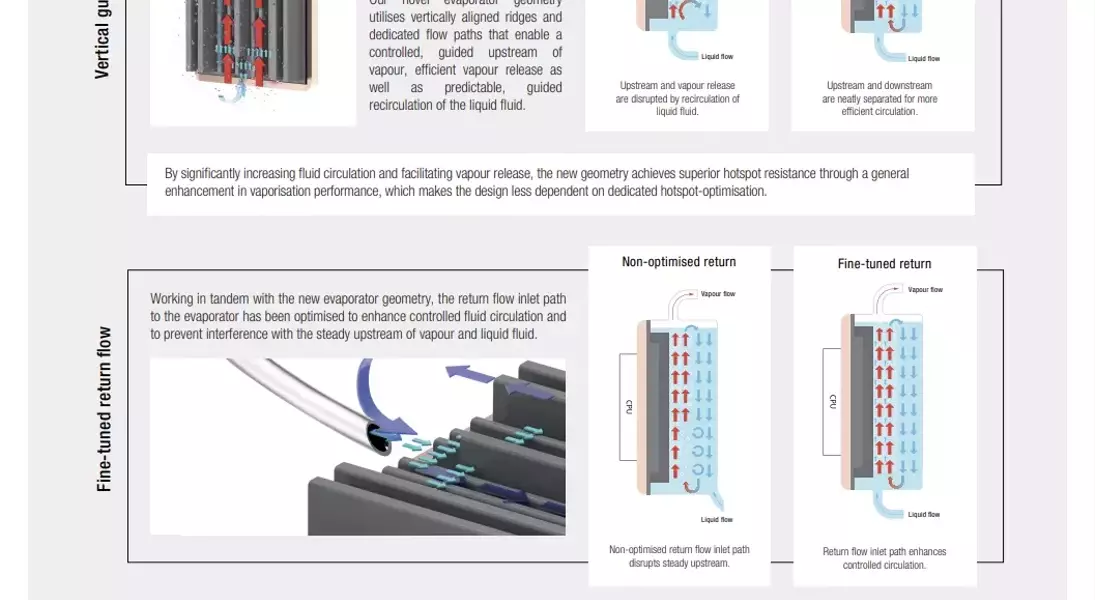
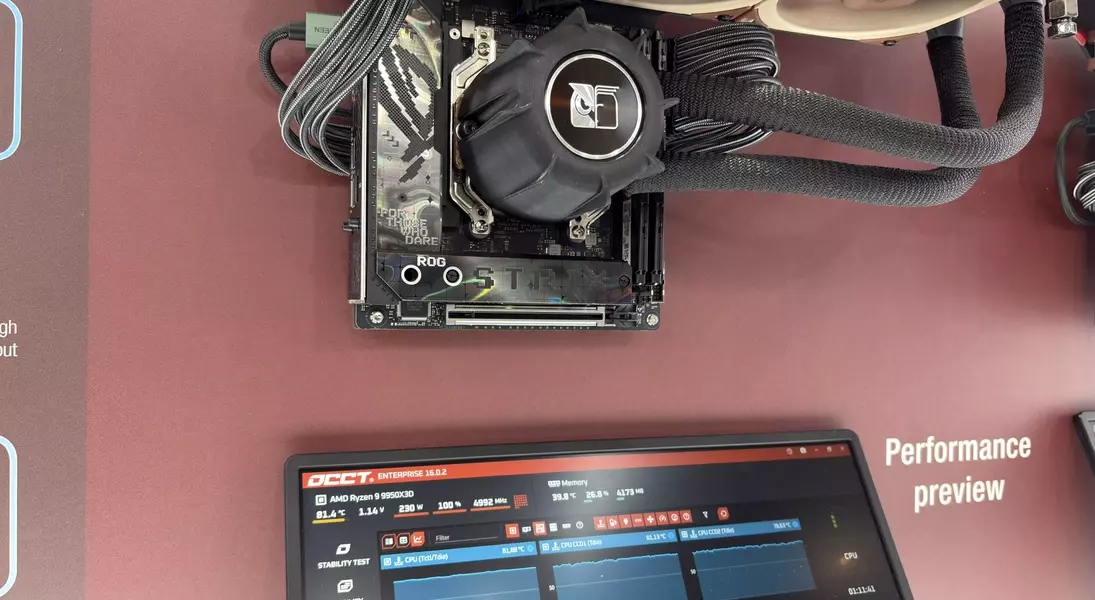
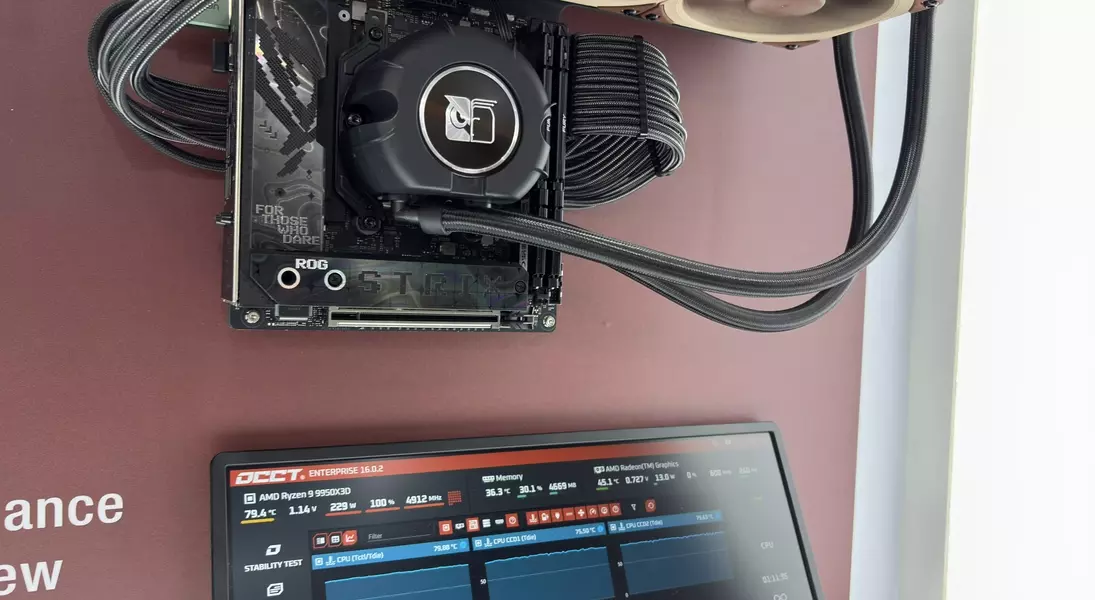
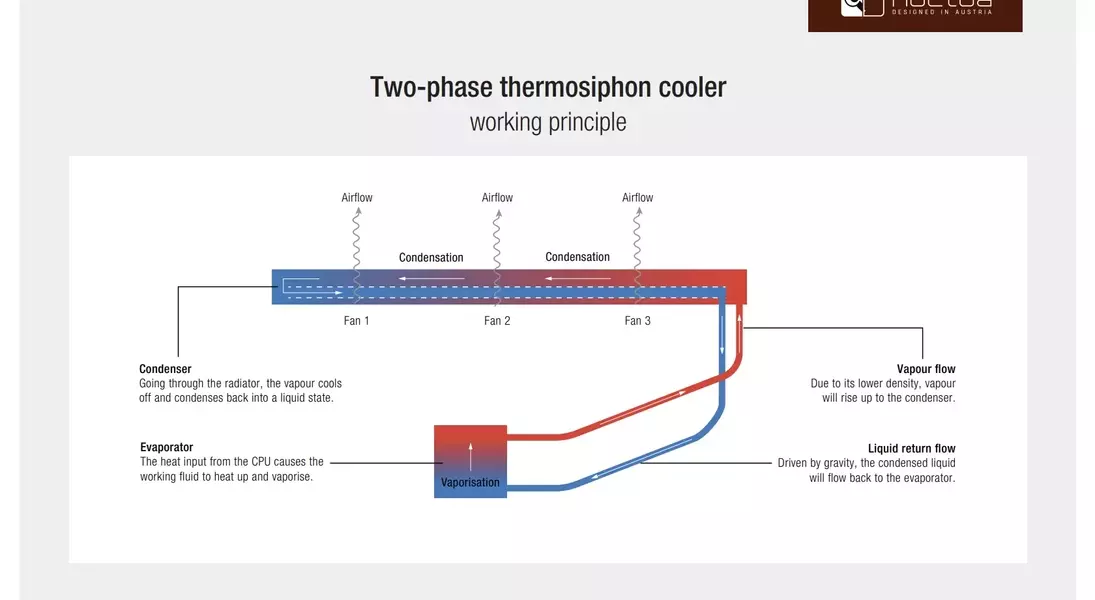
Jakob Dellinger from Noctua highlighted the significant progress, noting that last year's prototype, demonstrated on a 9800X3D with a 100-watt thermal load, has evolved. The current iteration successfully handles a substantial 230-watt load on a 9950X3D processor, performing on par with standard AIO water coolers. This pumpless technology operates on an evaporation-condensation cycle: hot liquid from the CPU vaporizes, rises to the radiator, condenses back into liquid, and then flows down to the evaporator, completing the heat transfer loop.
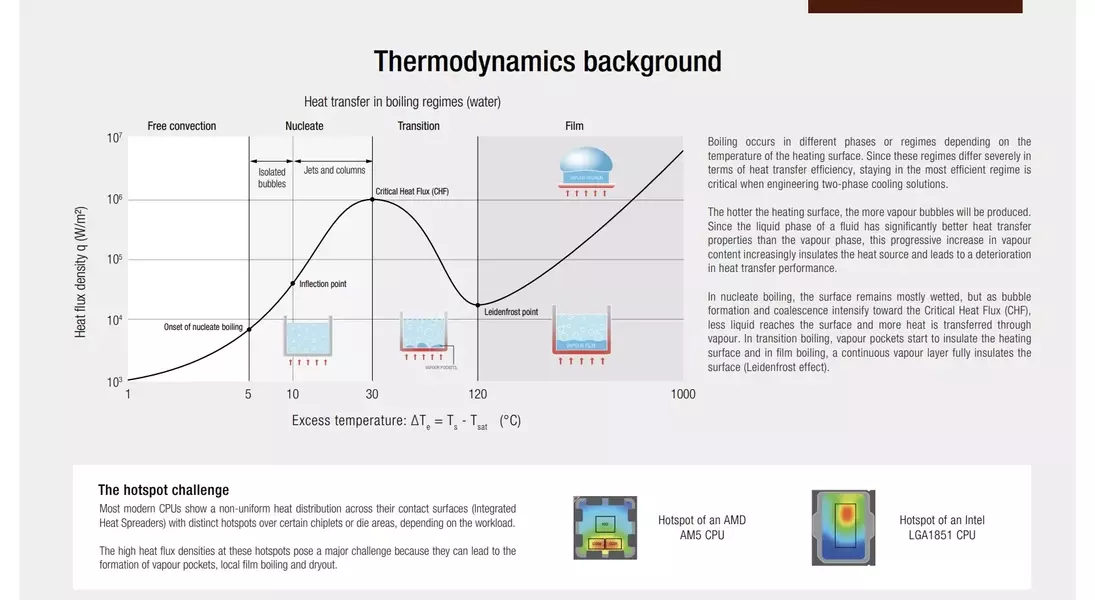
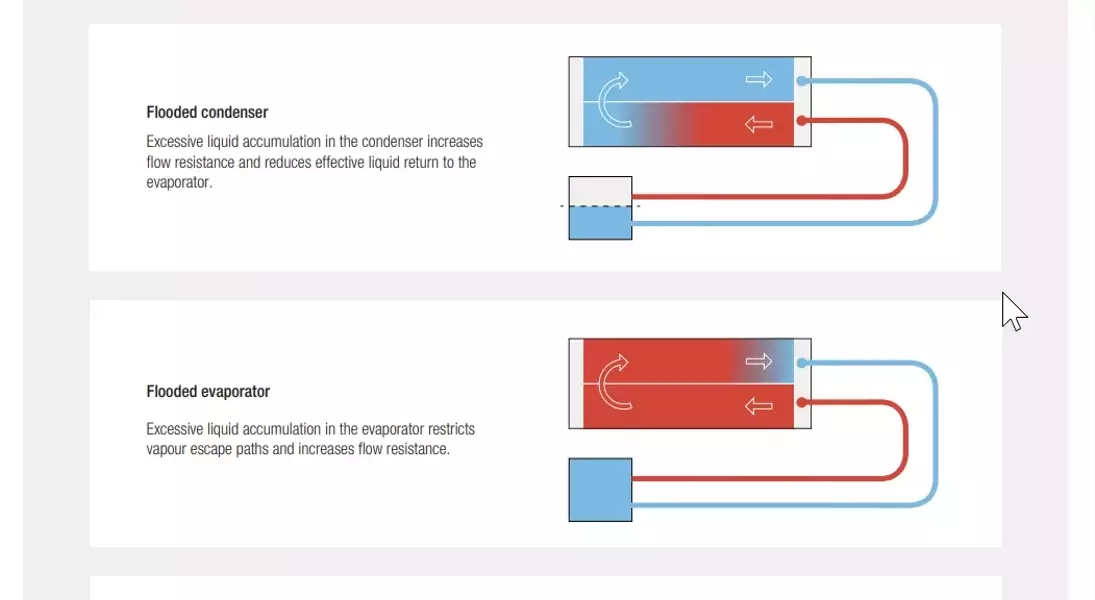
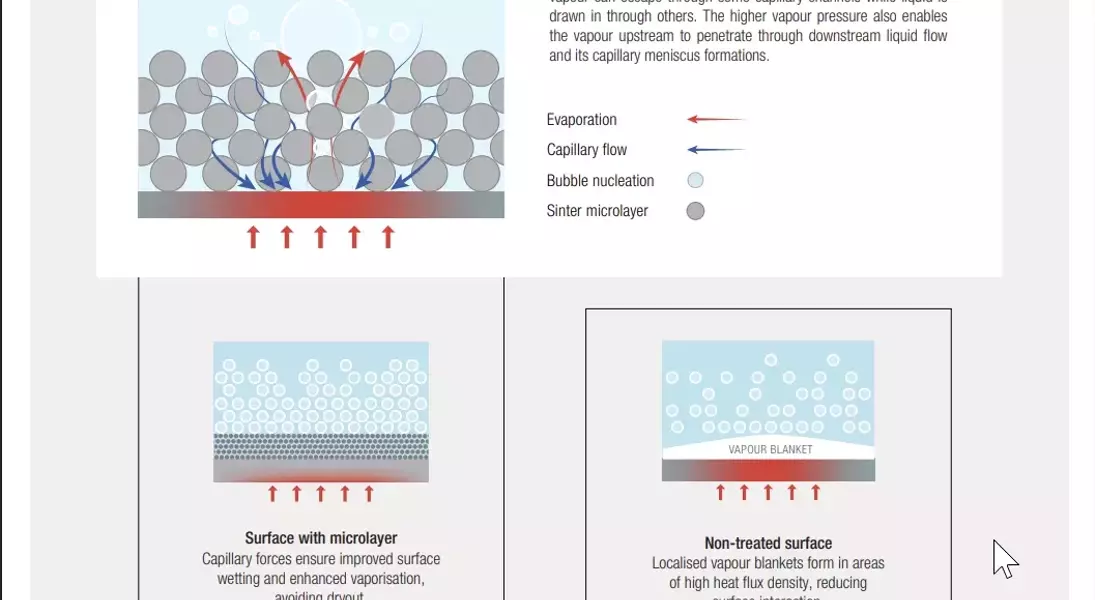
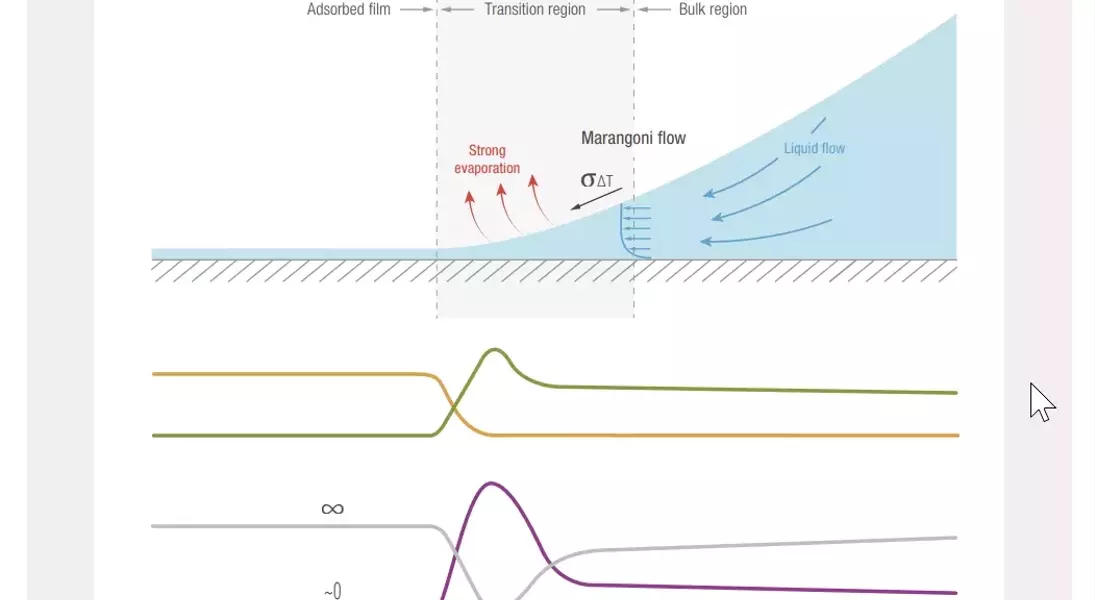
Noctua emphasizes the intricate balancing required for this thermosiphon principle, affirming their success in refining the design. The prototype, although still in development, showcases considerable advancements, moving beyond its initial crude appearance towards a more polished, production-ready form. Dellinger acknowledged the ongoing challenge of ensuring consistent performance in mass production, a hurdle the company is actively addressing through improvements such as a new microlayer to prevent insulating vapor blankets and optimized fluid and vapor flow within the system. These technical innovations, including managing 'evaporating meniscuses'—a concept familiar in cooling engineering—are crucial for achieving stable and efficient heat dissipation. Noctua's long-term vision aims for a Q3 2027 release, with significant strides already made in development efficiency, transitioning from one evaporator design per month to four per day.
The continuous innovation in CPU cooling solutions, epitomized by Noctua's progress with their pumpless thermosiphon cooler, reflects a dedication to pushing technological boundaries. This pursuit of more efficient and quieter cooling systems not only enhances computing performance but also fosters a culture of refinement and ingenuity in hardware design. Such advancements inspire future developments, promising more powerful and user-friendly technologies for enthusiasts and everyday users alike.
