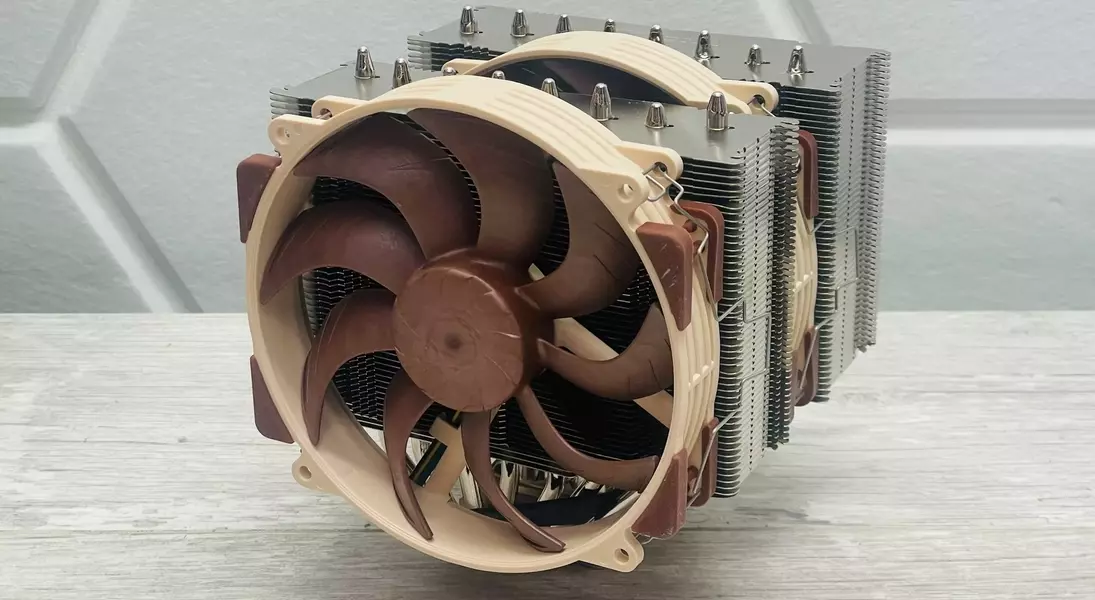
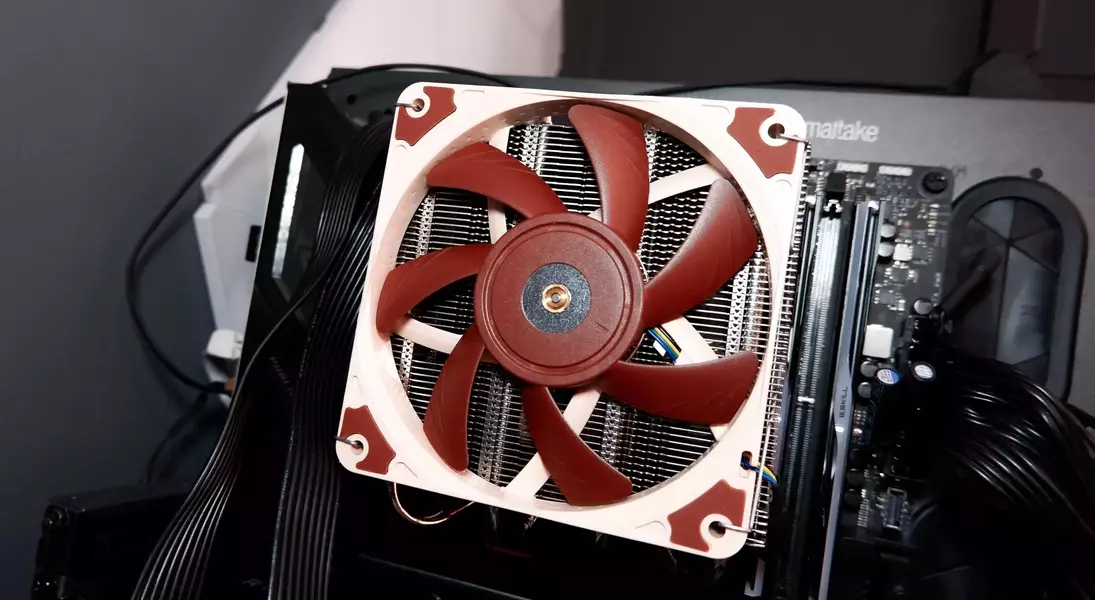
In a significant announcement for PC enthusiasts, Noctua has confirmed that its existing range of CPU coolers will maintain compatibility with Intel's forthcoming LGA1954 socket, slated for the Nova Lake processor series. This continuity in cooler support offers a welcome reprieve for gamers and builders from the cycle of purchasing new cooling hardware with every platform refresh. While Intel is preparing its next-generation CPUs with substantial performance enhancements, particularly in cache design, the ability to reuse high-performance cooling solutions like Noctua's represents a valuable cost-saving opportunity.
This compatibility news is particularly relevant given Intel's track record of frequent socket changes, which often necessitate new motherboard and cooler purchases. Although users will still need to upgrade their motherboards for the new LGA1954 platform, the assurance of cooler compatibility softens the financial impact of a full system upgrade. The upcoming Nova Lake CPUs, anticipated in late 2026, are expected to feature impressive specifications, including up to 52 cores and a massive 288 MB of combined cache, positioning them as strong contenders against AMD's established X3D chips. This strategic move by Noctua not only demonstrates a commitment to its customer base but also highlights the enduring value of high-quality cooling hardware in an evolving PC landscape.
Noctua's Forward-Thinking Compatibility for Intel Processors
Noctua, a renowned manufacturer of high-performance CPU cooling solutions, has recently provided encouraging news for the PC building community. The company explicitly stated that its current lineup of coolers, which are presently compatible with Intel's LGA1700 (Alder Lake and Raptor Lake) and LGA1851 (Arrow Lake) sockets, will seamlessly extend their support to the upcoming LGA1954 socket. This development is particularly significant as Intel prepares to introduce its Nova Lake processors, expected to revolutionize the market with advanced specifications. For consumers, this translates into a substantial benefit: the ability to retain their existing, often premium-priced, Noctua coolers when upgrading to the latest Intel architecture. This decision by Noctua ensures that users can invest in their cooling infrastructure with confidence, knowing it will serve them across multiple generations of Intel CPUs, thereby reducing the overall cost associated with future hardware upgrades and promoting sustainability in PC component usage.
The announcement underscores Noctua's dedication to user convenience and product longevity, a characteristic that has garnered it a loyal following. By maintaining compatibility across successive Intel platforms, Noctua helps mitigate the financial burden typically associated with CPU upgrades, where new processors often demand new motherboards and, consequently, new cooling solutions. This thoughtful approach by Noctua positions it as a consumer-friendly brand in a competitive market. Furthermore, this forward compatibility suggests that other cooler manufacturers might follow suit, potentially establishing a trend of broader cross-generation support for cooling hardware. As Intel's Nova Lake processors, rumored to launch in late 2026, promise significant performance gains and higher core counts, efficient cooling will be paramount. The ability to use proven, high-quality coolers like Noctua's will be a crucial advantage for enthusiasts seeking to maximize their system's potential without incurring unnecessary expenses, making the transition to the next-gen platform smoother and more accessible for a wider range of users.
Intel Nova Lake: A Glimpse into Future Performance and Platform Changes
Intel's upcoming Nova Lake processors are generating considerable excitement within the tech community, signaling Intel's determined effort to reclaim market leadership, particularly in the gaming segment, where AMD's X3D chips have previously dominated. Nova Lake, expected to be marketed as the Core Ultra 400 series, is anticipated to feature a robust architectural overhaul, including a substantial increase in vertical cache—a key factor that has given AMD a competitive edge. Rumors suggest that the top-tier Nova Lake chip could boast an impressive configuration of up to 52 cores and a massive 288 MB of combined cache, indicating a significant leap in processing power and efficiency. This aggressive enhancement aims to address previous performance discrepancies, specifically learning from the gaming performance of Arrow Lake, and positions Nova Lake as a formidable contender for high-end computing and gaming applications. The prospect of such powerful CPUs, combined with the newfound cooling compatibility, sets the stage for an intriguing battle in the processor market.
However, alongside the promising performance, Intel's platform strategy for Nova Lake introduces a familiar challenge for consumers: the necessity for a new motherboard socket. While the LGA1851 socket, designed for Arrow Lake, will see a refresh with the Intel Core Ultra 300 series, it will subsequently be succeeded by the LGA1954 for Nova Lake. This ongoing socket evolution means that despite the welcome news of cooler compatibility, users will still face the expense and effort of acquiring a new motherboard to accommodate the latest processors. This dichotomy highlights Intel's continuous pursuit of technological advancement, even if it entails breaking backward compatibility for motherboards. For dedicated Intel users, this cyclical upgrade path necessitates careful financial planning and a degree of patience. Nevertheless, the ability to transfer high-quality CPU coolers across platforms, particularly expensive models like Noctua's NH-D15, provides a small but significant financial relief, making the transition to Intel's next-generation Nova Lake architecture a more palatable prospect for many PC builders and enthusiasts who prioritize cutting-edge performance.
