Nissan is undergoing a significant strategic transformation, focusing on integrating artificial intelligence into its next-generation vehicles and streamlining its global product portfolio. This forward-looking approach aims to enhance technological sophistication and market relevance. The company plans to reduce its overall model count while simultaneously diversifying powertrain options, signaling a commitment to innovation and efficiency. These changes are expected to strengthen Nissan's position in key markets like the United States, China, and Japan, adapting to evolving consumer demands and technological advancements in the automotive industry.
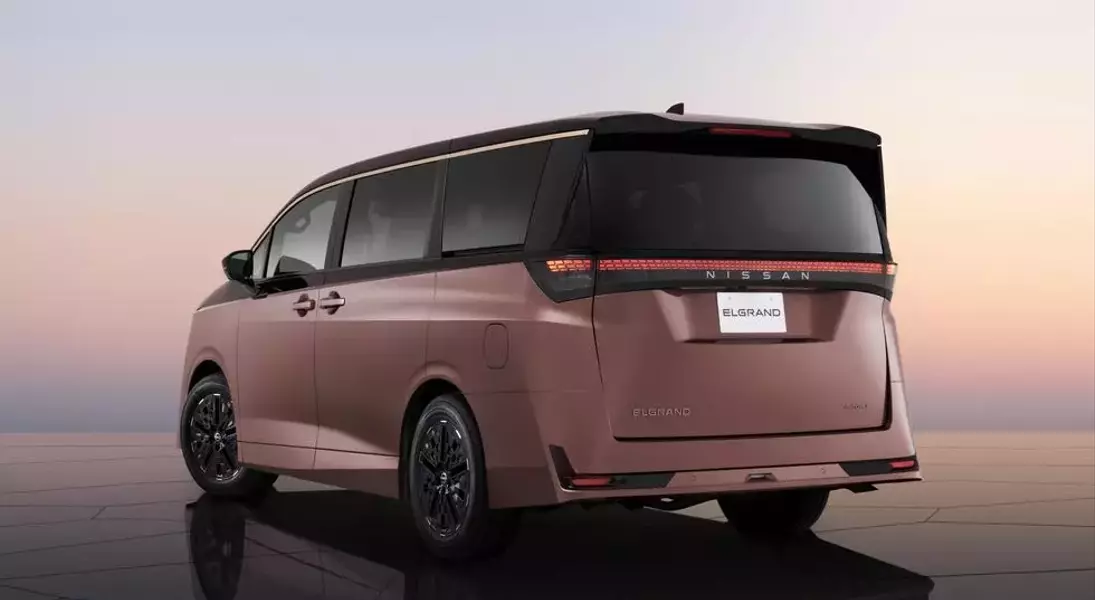
A core element of Nissan's updated strategy involves a profound emphasis on artificial intelligence. The automaker envisions a future where AI plays a central role in vehicle development, starting with the progressive integration of advanced AI technologies into its driver-assist systems. The new Nissan Elgrand minivan, designed for international markets, is slated to be the first vehicle to showcase the next-generation ProPilot system by late 2027, serving as a testbed for these innovative capabilities. Nissan's long-term goal is to equip a substantial majority—90 percent—of its vehicle lineup with AI Drive technology, aiming for a seamless and intuitive driving experience. Additionally, the company is exploring its AI Partner technology to facilitate a deeper integration between customers' daily routines and their Nissan vehicles, though specific details on this initiative are still emerging. This strategic push underscores Nissan's commitment to staying at the forefront of automotive technology and leveraging AI to redefine the driving experience.
Pioneering AI Integration in Automotive Technology
Nissan is strategically investing in artificial intelligence to revolutionize its vehicle development process and enhance the driving experience. This initiative begins with integrating advanced AI into driver-assist features, with the new Elgrand minivan introducing the next-generation ProPilot system by late 2027. The company's ambitious goal is to have 90% of its models feature AI Drive technology, aiming for intuitive and seamless interactions between drivers and their vehicles. Beyond driving assistance, Nissan is also exploring AI Partner technology, designed to connect customers' daily lives with their cars, though further details on this aspect are still under wraps. This comprehensive AI strategy highlights Nissan's commitment to future-proofing its fleet and delivering cutting-edge innovation.
The push for AI integration reflects Nissan's vision for a highly intelligent and connected automotive future. By starting with the Elgrand minivan and its advanced ProPilot system, Nissan is laying the groundwork for widespread AI adoption across its diverse model range. This move is not merely about adding new features but fundamentally reshaping how vehicles perceive, respond to, and interact with their environment and occupants. The company's aspiration to embed AI Drive technology in nearly its entire lineup signifies a transformative shift, ensuring that future Nissan vehicles are not just modes of transport but intelligent companions. While the specific functionalities of AI Partner technology remain to be fully unveiled, its promise suggests a personalized and integrated ownership experience, making cars an extension of users' digital lives. This strategic focus on AI aims to bolster Nissan's competitiveness and relevance in a rapidly evolving technological landscape.
Streamlining the Model Lineup and Expanding Powertrain Choices
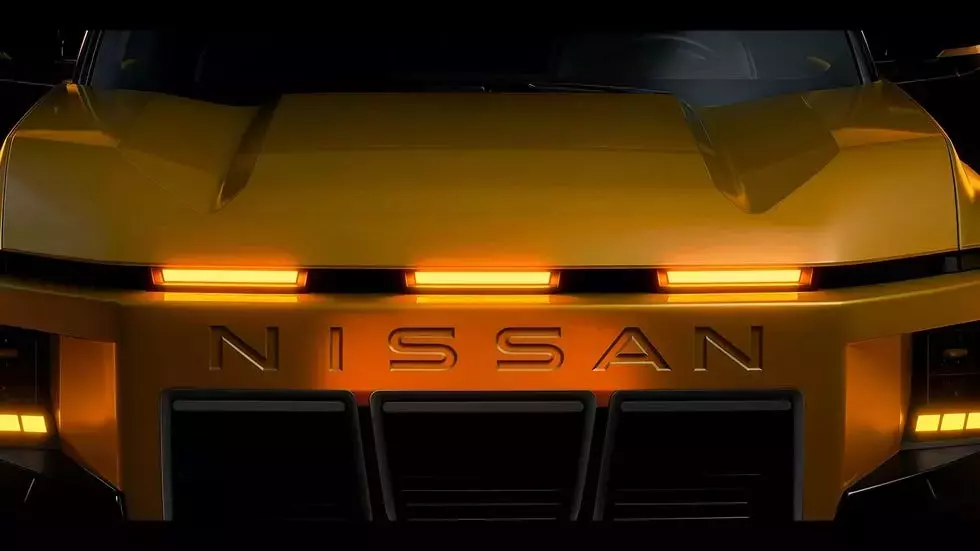
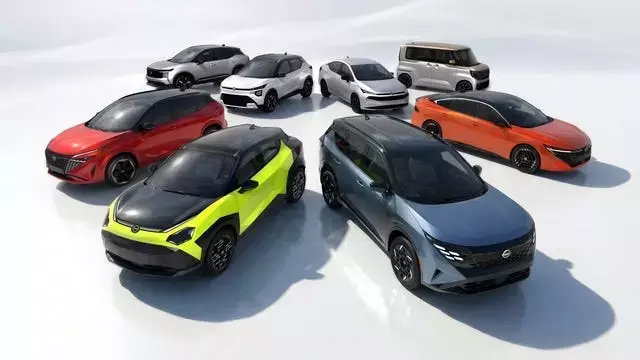
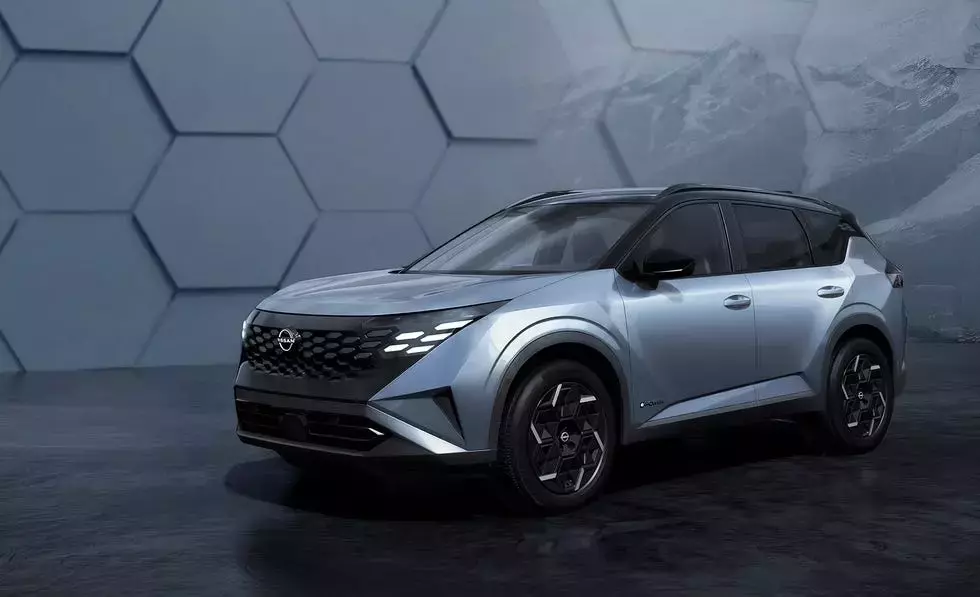
Nissan's future growth strategy involves a deliberate reduction in its global vehicle portfolio, moving from 61 to 45 models, to focus on best-performing vehicles with significant market potential. Simultaneously, the company is committed to offering a more diverse array of powertrain options. For the U.S. market, this translates into the introduction of the e-Power series hybrid with the 2027 Rogue, alongside the continued use of V-6 engines in models like the Pathfinder and Armada SUVs. Additionally, Nissan plans to develop a new V-6 engine, including a hybrid variant, specifically for the revived Xterra, an off-road SUV expected to launch as a 2029 model. This dual approach of consolidation and diversification aims to optimize resource allocation and cater to varied consumer preferences.
This strategic move signifies a critical re-evaluation of Nissan's product offerings, prioritizing quality and market impact over sheer volume. By streamlining its global lineup, the company can concentrate resources on developing and refining models that resonate most with consumers, enhancing their overall appeal and profitability. The expansion of powertrain options, particularly the introduction of e-Power hybrid technology to the U.S. market with the 2027 Rogue, demonstrates Nissan's commitment to sustainable mobility solutions while retaining popular conventional options like the V-6 engines for its SUVs. The planned revival of the Xterra, featuring a new V-6 hybrid variant, further underscores Nissan's dedication to meeting specific market demands, such as the growing interest in capable off-road vehicles with efficient powerplants. Nissan's luxury brand, Infiniti, is also poised for significant additions, including a compact hybrid SUV and a new sports sedan that might reintroduce the Q50 nameplate, potentially offering a manual transmission and returning to Japan as the Nissan Skyline. While Nissan is not abandoning electric vehicles, its approach to EV investment will be more cautious, driven by market conditions, seeing the e-Power system as a crucial bridge between traditional internal combustion engines and fully electric models.
