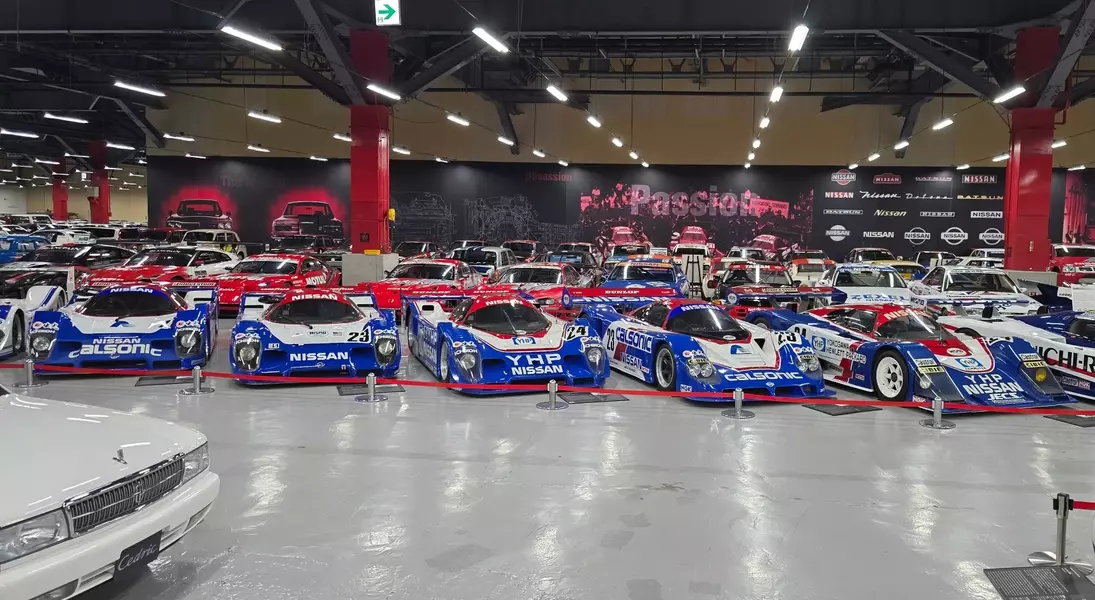
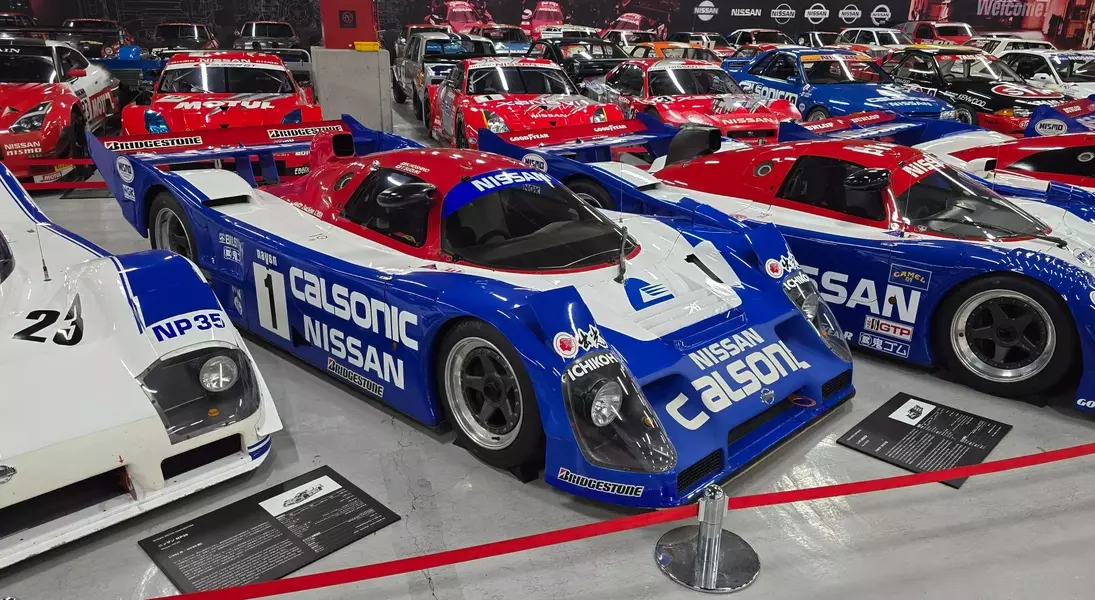
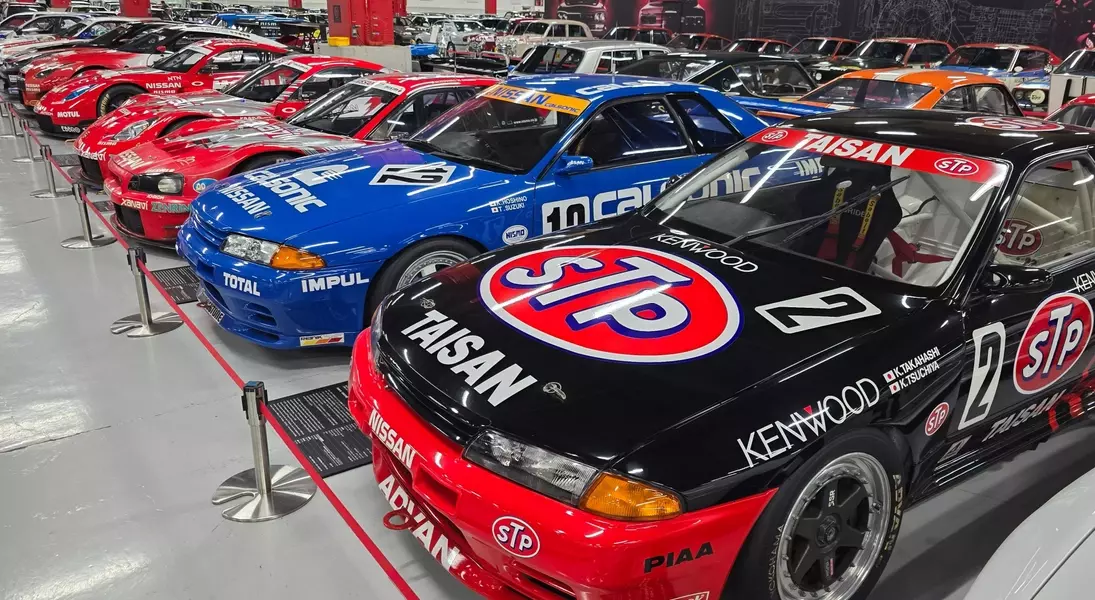
Delve into the esteemed Nissan Heritage Collection located in Zama, Japan, a sanctuary preserving approximately 300 historically significant automobiles. This remarkable assembly showcases the evolution of Nissan, Datsun, and Prince vehicles from 1933 onwards, offering a vivid narrative of automotive innovation and design. The collection captures a rich tapestry of motorsports triumphs, groundbreaking concepts, and influential production models that have shaped the automotive landscape.
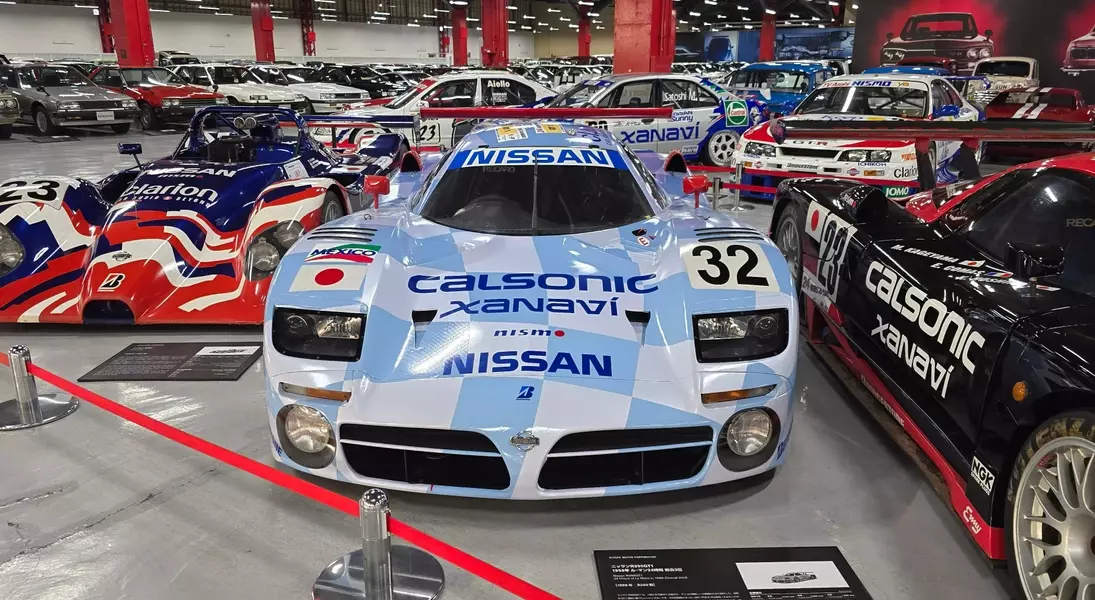
Among the treasures of the collection is the formidable 1998 Nissan R390 GT1. This legendary machine, often recognized from virtual racing platforms like Gran Turismo, was a genuine contender on the global racing stage. Nissan even produced a road-legal version to comply with Le Mans GT1 homologation requirements. In 1998, four long-tail R390s made a significant impact at Le Mans, with the No. 32 car securing an impressive third-place overall finish.
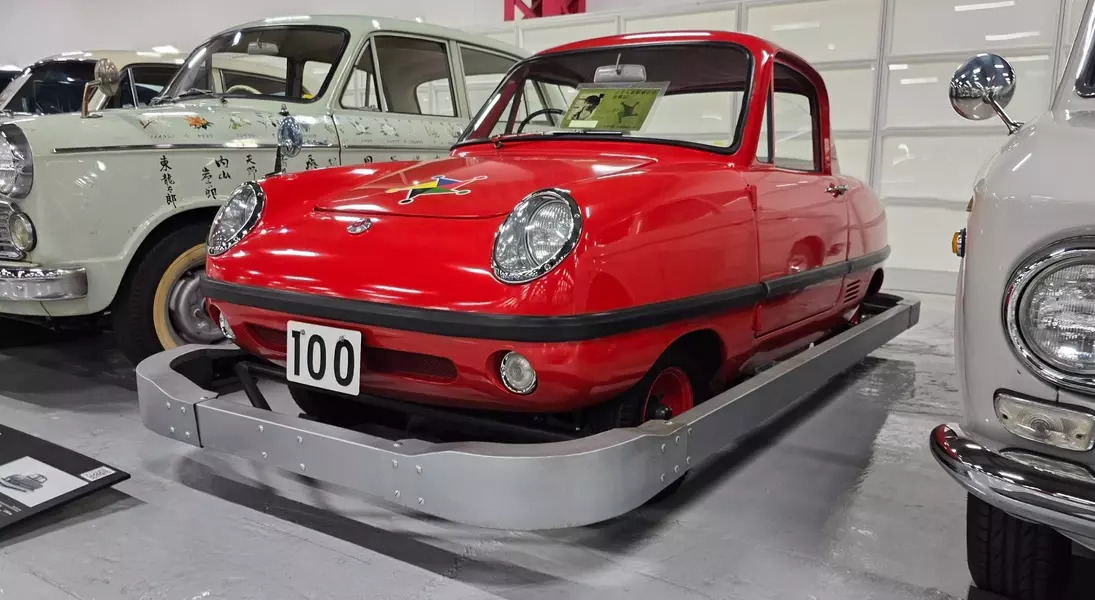
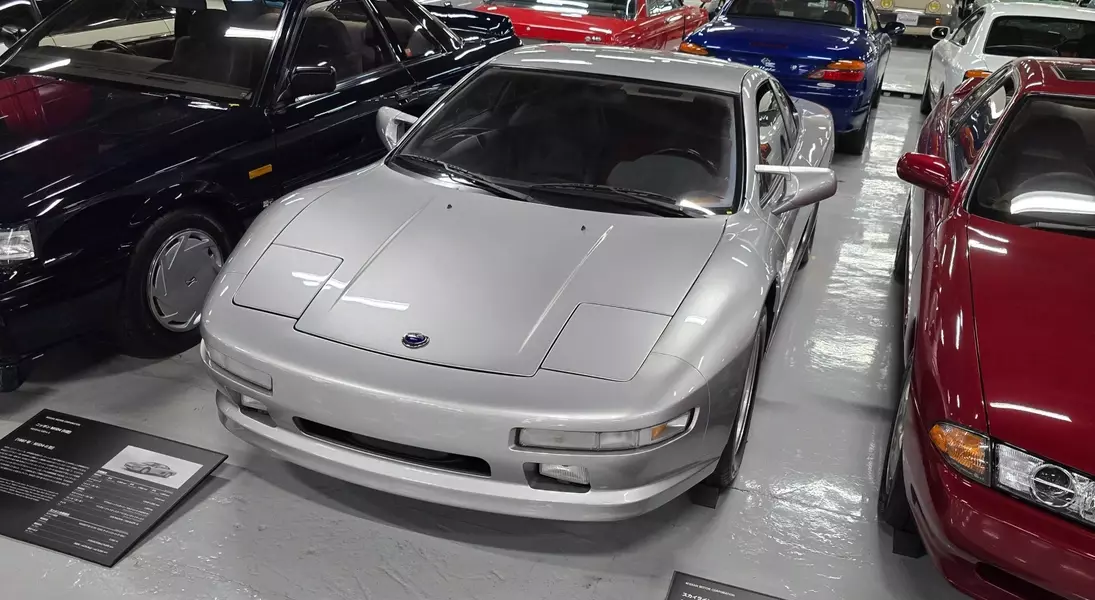
A more unexpected highlight is the 1964 Datsun Baby, a vehicle conceived with a unique purpose: to instill safety awareness in young, aspiring drivers. With only 100 units ever produced, this miniature car featured a modest minibike engine with a top speed limited to 18 mph. It emphasized foundational driving principles, albeit without the advanced safety features of modern vehicles. Another visionary piece is the 1987 Nissan MID4-II Concept, a technological showcase for future innovations. This concept vehicle explored advanced features such as HICAS rear-wheel steering, the VG30DETT powertrain that would later power the Z32-generation, and a sophisticated rear multilink suspension system. While the mid-engine configuration did not materialize in subsequent Z models, the MID4-II demonstrated Nissan's daring approach to automotive development.
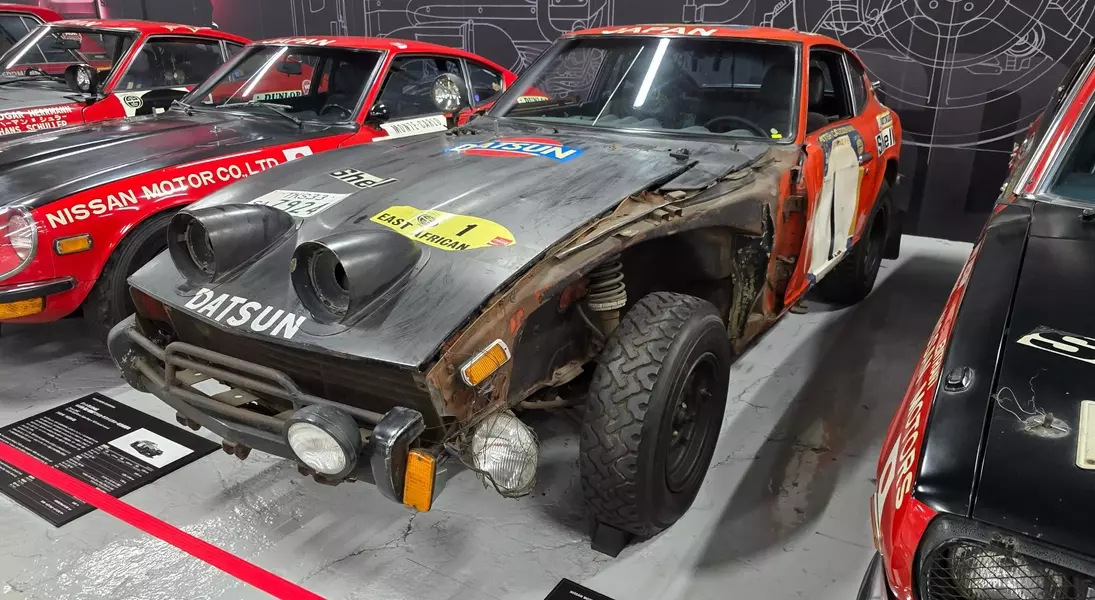
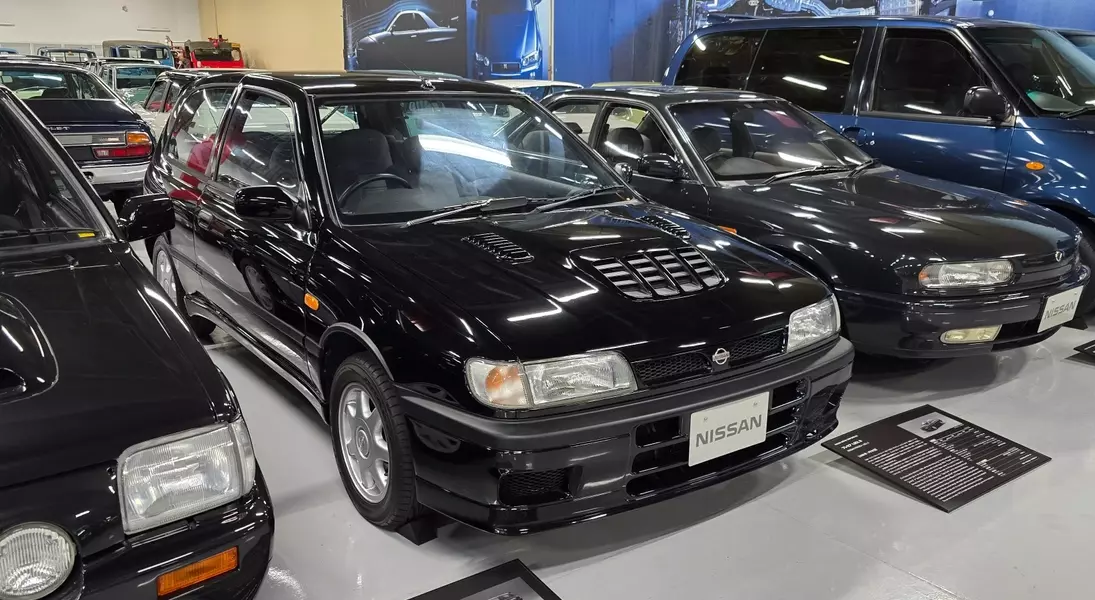
The collection also proudly displays the 1973 Datsun 240Z, a rally icon that bears the authentic scars of competition. Unlike many restored vehicles, this particular 240Z retains the battle-hardened appearance from its victory at the 1973 Safari Rally, driven by Shekhar Mehta and Lofty Drews. Its visible dents and makeshift repairs are testaments to its enduring legacy in motorsports. Adding to the performance narrative is the 1992 Nissan Pulsar GTI-R, a high-performance compact car not originally sold in the American market. Engineered for the World Rally Championship, this model featured a five-speed manual transmission, all-wheel drive, and a powerful turbocharged engine, making it a thrilling machine that continues to excite enthusiasts today.
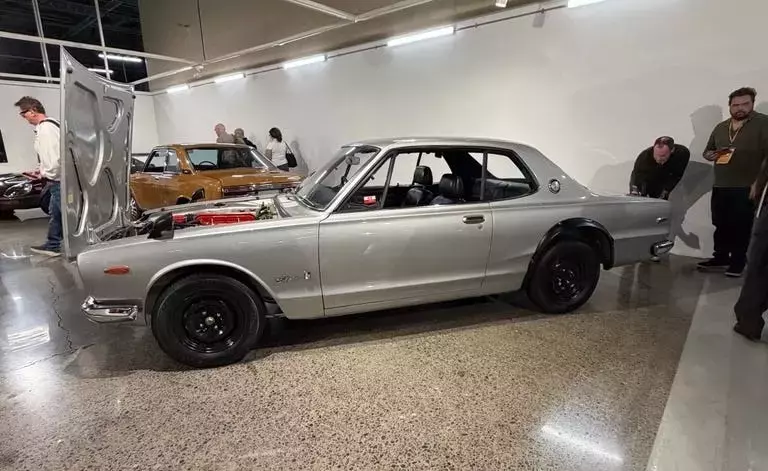
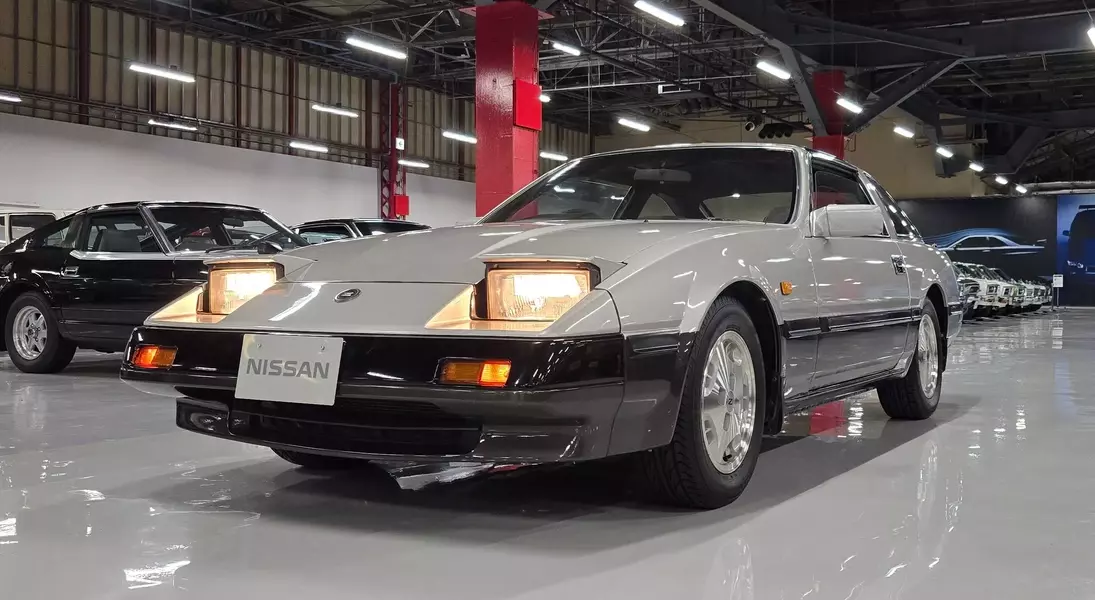
The 1972 Skyline Hardtop 2000GT-R, known for its aggressive styling and dominant performance in Japanese touring-car racing, also commands attention. This model, a refined two-door variant of the 1969 Hakosuka sedan, saw its wheelbase shortened and weight reduced, contributing to its remarkable record of 50 domestic race wins in under three years. Additionally, the collection features the 1985 Nissan 200ZG 2+2, a personal favorite for its groundbreaking features in the Z31-era 300ZX. This model, particularly the Japanese market versions, offered a diverse array of powertrains, including the 2.0-liter VG20ET V-6, alongside innovations like pop-up headlights, digital gauge clusters, and the distinctive "Bitchin' Betty" voice-warning system.
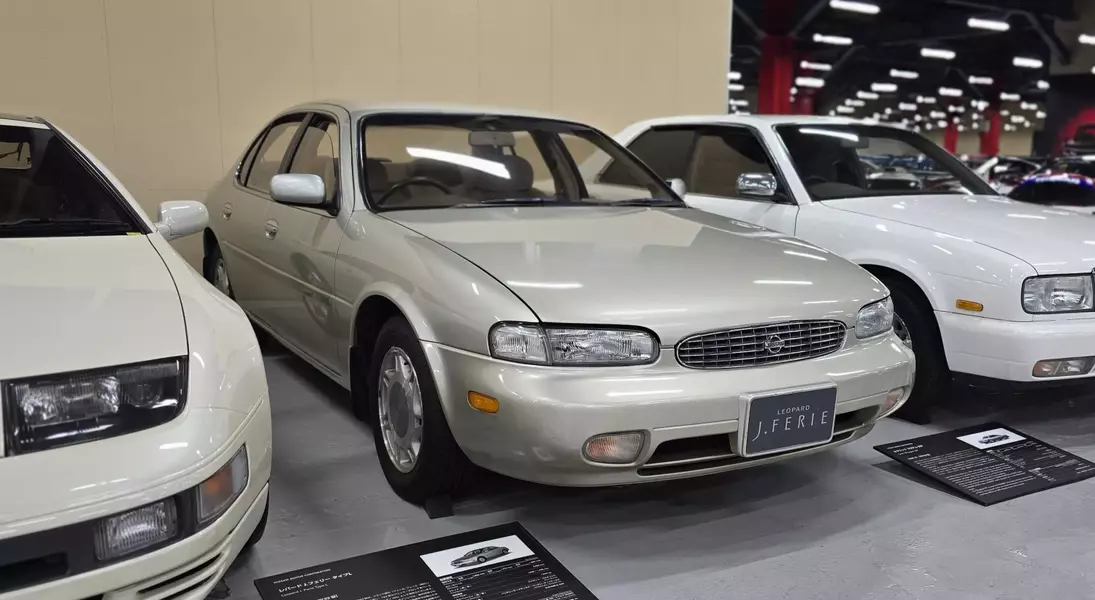
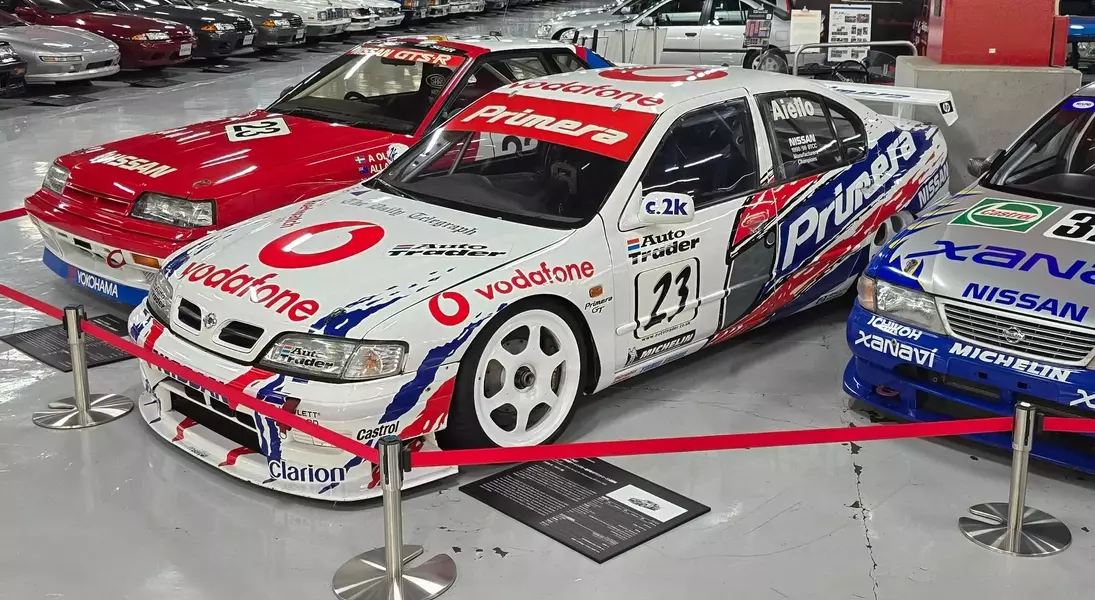
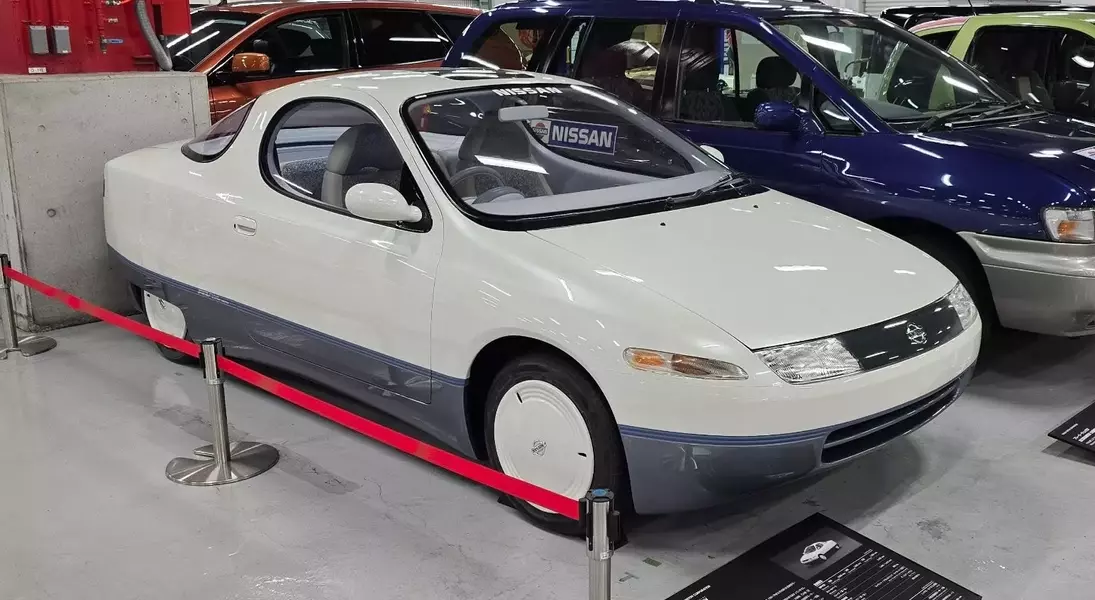
Furthermore, the collection includes the 1992 Nissan Leopard, recognized in the U.S. as the Infiniti J30. This model shared key components with the 300ZX, such as its non-turbo V-6 engine, brakes, viscous limited-slip differential, and multilink rear suspension, ensuring a dynamic driving experience. The 1991 Nissan Primera GT, a champion in the British Touring Car Championship, boasts an impressive record of 13 wins in 26 races, showcasing Nissan's prowess in circuit racing. Forward-thinking concepts are represented by the 1991 Nissan Future Electric Vehicle (FEV) Concept, an early electric sports car designed to demonstrate the potential for environmentally friendly performance, featuring a dual A/C induction motor powertrain.
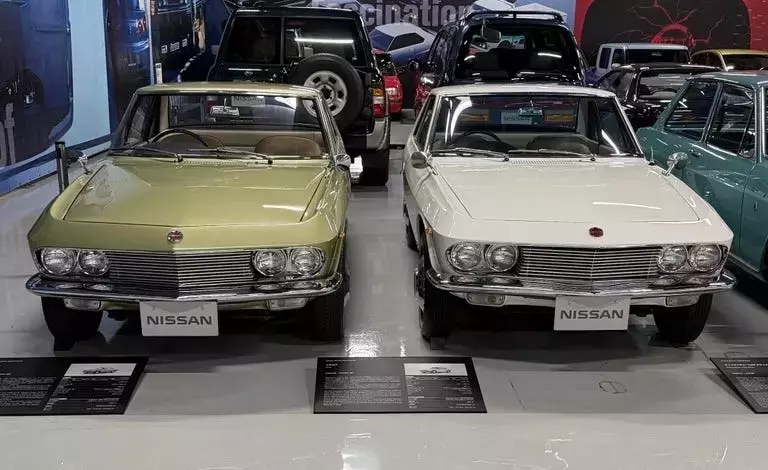
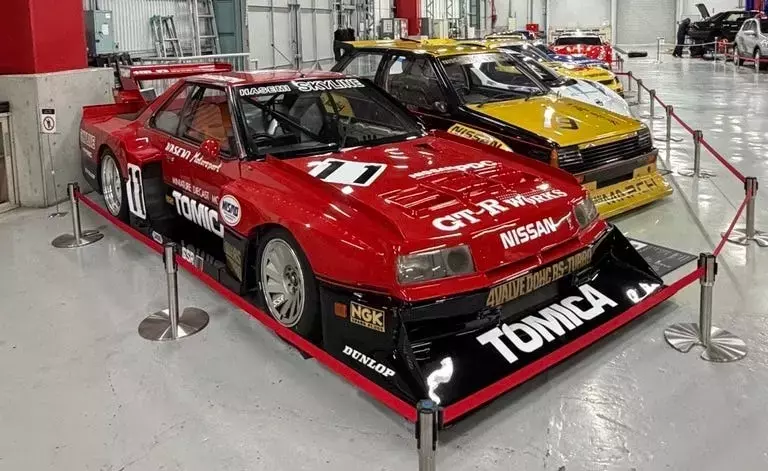
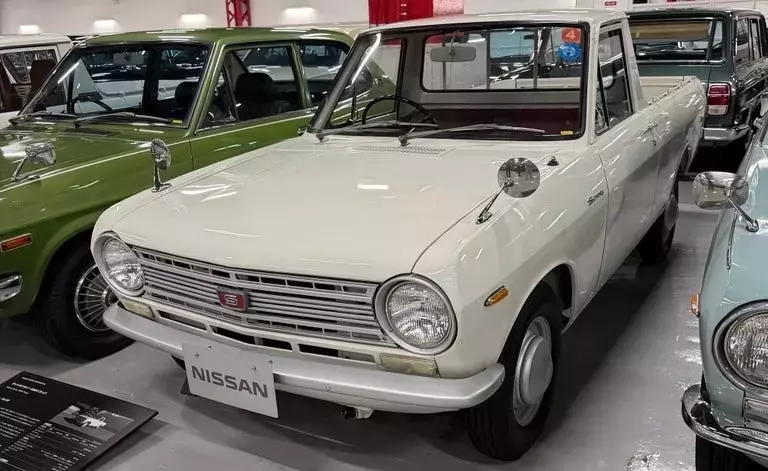
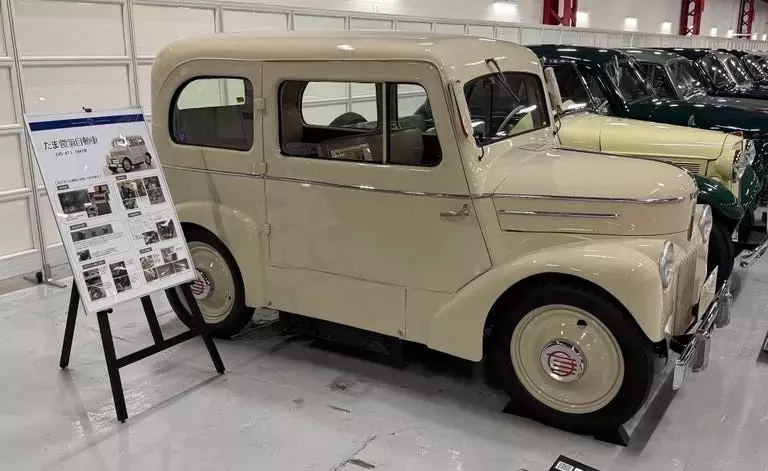
The 1966 Nissan Silvia, an ancestor to modern drift cars, highlights the brand's early foray into stylish, hand-built coupes with its elegant 1960s design and limited production. The raw power of the 1983 Nissan Skyline Super Silhouette, a Group 5 racing car producing over 562 horsepower, epitomizes Nissan's audacious approach to motorsports in the early 1980s. Lastly, the 1969 Nissan Sunny Pickup offers a glimpse into the compact utility vehicles of its era, known for their maneuverability and practicality. The truly historic 1947 Tama Electric Car underscores Nissan's pioneering efforts in electric vehicle technology, utilizing lead-acid batteries and featuring an innovative swappable battery system, decades before EVs became mainstream. Collectively, these vehicles illustrate Nissan's profound impact on automotive history, from competitive racing to future-oriented design.
