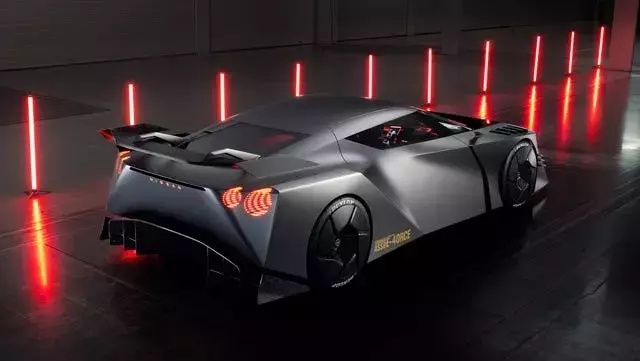
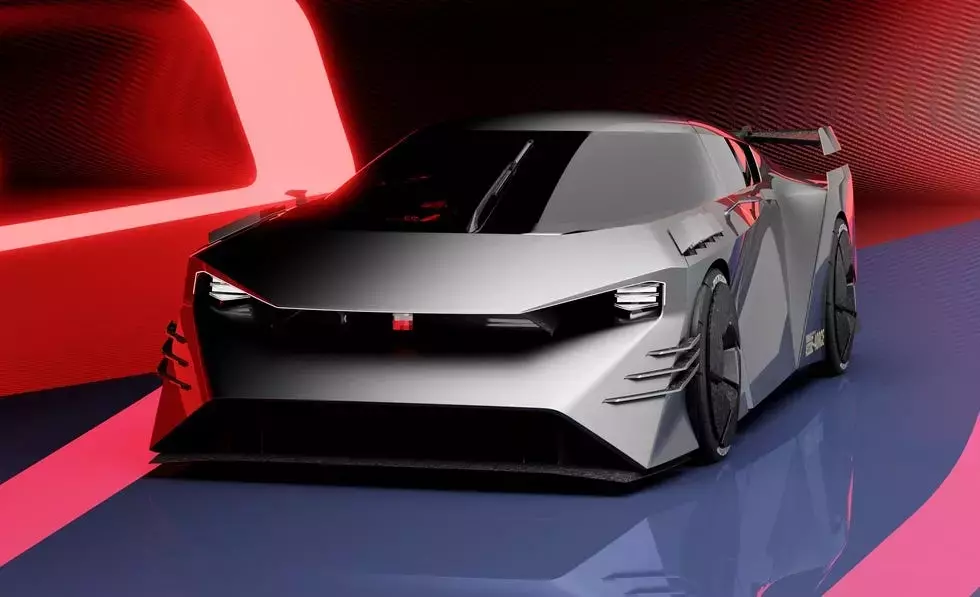
Nissan is actively planning the next iteration of its iconic GT-R model, known as the R36, with an anticipated launch by the close of this decade. Despite ongoing financial challenges, the automaker remains committed to developing this high-performance vehicle, with senior executives confirming that a team is dedicated to its creation. The new GT-R is envisioned to uphold its core identity, offering exceptional performance, all-wheel drive, and impressive Nürburgring lap times, all while maintaining a price point that reflects its supercar capabilities without becoming prohibitively expensive. The target pricing, adjusted for inflation from its 2008 debut, suggests a range of $120,000 to $130,000 for the mainstream version, with specialized derivatives potentially exceeding $200,000.
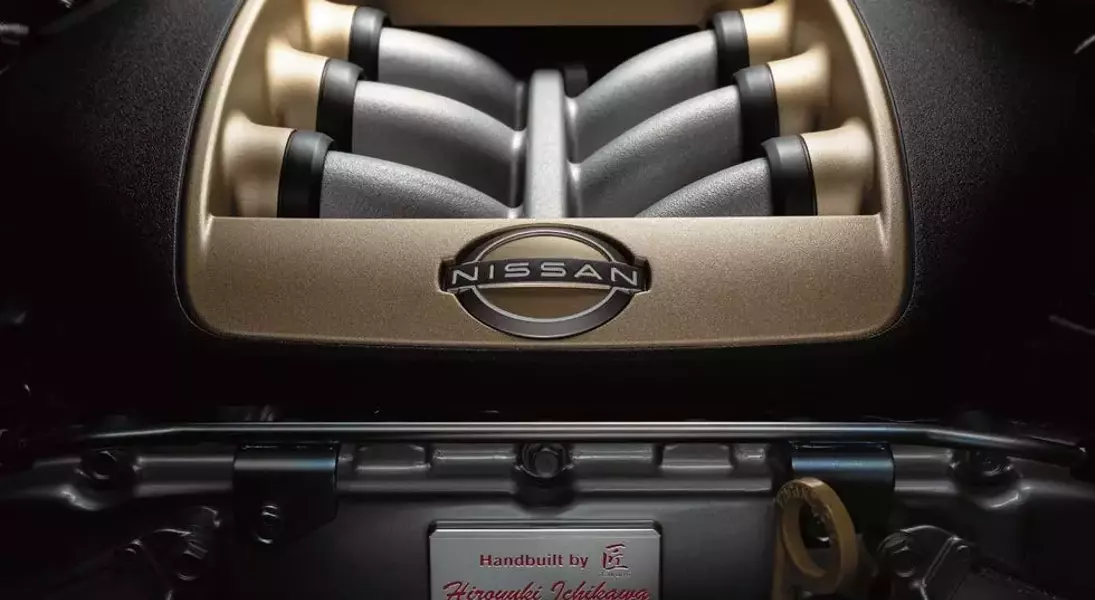
Key details emerging about the R36 indicate a strong likelihood of a hybrid twin-turbocharged V6 powertrain, diverging from a purely electric approach. This hybridization is expected to build upon the robust foundation of the outgoing model's 3.8-liter V6 engine, allowing the new GT-R to meet evolving global emissions regulations, particularly those in Europe. Furthermore, Nissan may choose to reinstate its esteemed Takumi engine-building program, where skilled specialists meticulously assemble each engine. This program, temporarily redirected to manufacturing replacement parts, could be revived, potentially incorporating apprentices who trained during its previous operation, ensuring the continuation of artisanal craftsmanship in the GT-R's heart.
While fans eagerly await the return of 'Godzilla,' Nissan's Z model continues to represent the brand's performance heritage in the interim, with recent enhancements like the NISMO Z offering a manual transmission and GT-R-derived front brakes. The commitment to innovation and heritage demonstrated by Nissan in the development of the next GT-R is commendable. It underscores a philosophy where technological advancement seamlessly integrates with a storied legacy, ensuring that even as the automotive landscape shifts towards electrification, the spirit of high-performance and driver engagement remains paramount. This forward-looking approach, while honoring the past, inspires confidence in the future of automotive excellence.
