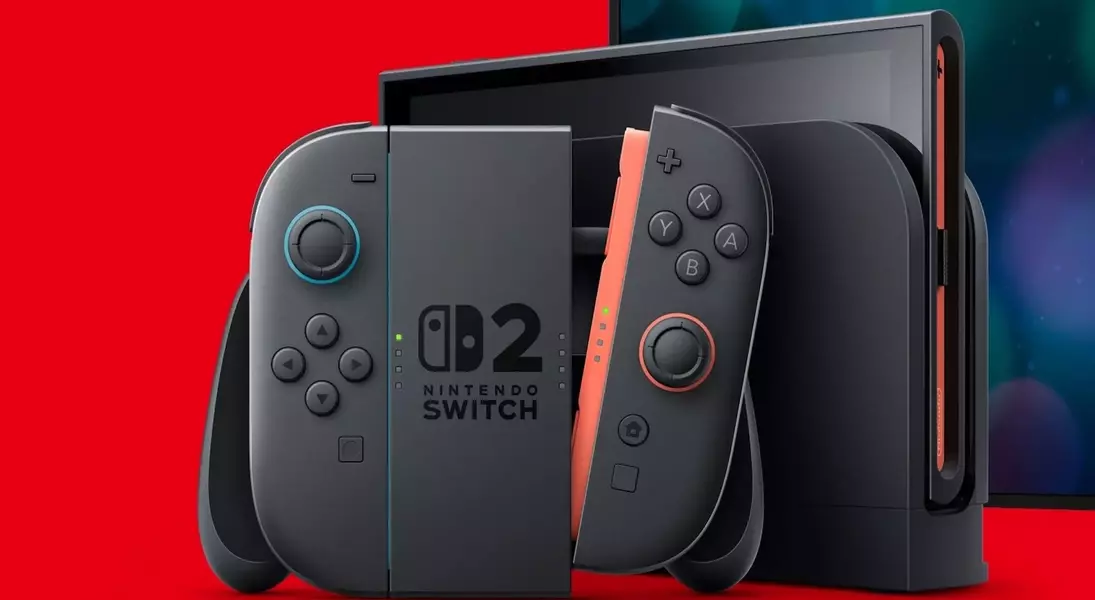
The video game console industry is currently navigating a turbulent period, marked by escalating hardware costs primarily driven by a persistent global RAM shortage. Both Sony's PlayStation 5 and Microsoft's Xbox Series X have seen significant price hikes since their initial launches, making next-generation gaming more expensive for consumers. Amidst this challenging landscape, Nintendo has provided a reassuring update regarding the pricing of its Nintendo Switch 2. Despite an earlier price adjustment, the company has announced that it has successfully secured enough memory components to avoid any further increases, offering a degree of stability in an otherwise volatile market.
The broader console market has been grappling with supply chain disruptions and increased manufacturing costs, directly impacting consumer prices. The PlayStation 5, for instance, now commands a price tag $150 higher than its launch price in November 2020. Similarly, the Xbox Series X has seen an even more substantial increase of $300, pushing its official retail price to $799.99. These adjustments reflect the economic pressures faced by hardware manufacturers, with the RAM shortage being a primary contributor to the inflated costs of essential components.
Nintendo's situation with the Switch 2 is particularly noteworthy. The console was released and priced after the onset of the global chip crisis, yet it still experienced a $50 price increase in September 2026. However, in a recent statement to Reuters, Nintendo president Shuntaro Furukawa delivered positive news, confirming that the company has managed to secure an adequate supply of memory. This strategic move ensures that the Switch 2's price will remain at its current $449.99, providing a welcome respite for consumers concerned about continuous price escalations.
Despite this positive news on pricing, Nintendo's recent financial performance has shown some areas of concern. The company reported a decline in sales and a 16% drop in operating profit to 73.9 billion yen (approximately $468 million) in the last financial quarter, falling short of analyst expectations. Investors have expressed apprehension regarding the ongoing memory crunch and a perceived lack of major new releases for the Switch 2. In response, Nintendo may explore increasing the cost of its Switch Online subscription service to bolster revenue. Nevertheless, the company has maintained its full-year profit forecast and its projection of selling 16.5 million Switch 2 units, signaling confidence in its long-term strategy.
The success of recent game releases is crucial for Nintendo's performance. The remake of The Legend of Zelda: Ocarina of Time has launched to critical acclaim, with analysts like Serkan Toto predicting strong sales that will contribute positively to Nintendo's current quarter. However, significant blockbuster titles are not expected until the next fiscal year. Looking ahead, Nintendo has several exclusive titles slated for 2027, including Metroid Ravenous, Xenoblade Genesis, The Duskbloods, Pokémon Waves and Winds, Onyx: The Dark Grip, and Kirby and the World Beyond. Additionally, DLC expansions for 2026's major hits, Pokémon Pokopia and Fire Emblem: Fortune’s Weave, are also planned for the coming year.
The broader gaming industry is also feeling the pinch, with overall game console sales experiencing a significant downturn. In July 2026, sales plummeted by 29% compared to the same period in the previous year, a decline largely attributed to the widespread price increases across all major console platforms. Nintendo's ability to stabilize the Switch 2's price, coupled with a robust pipeline of upcoming games, positions it to navigate these market challenges and potentially gain an advantage in a highly competitive and economically sensitive environment.
