
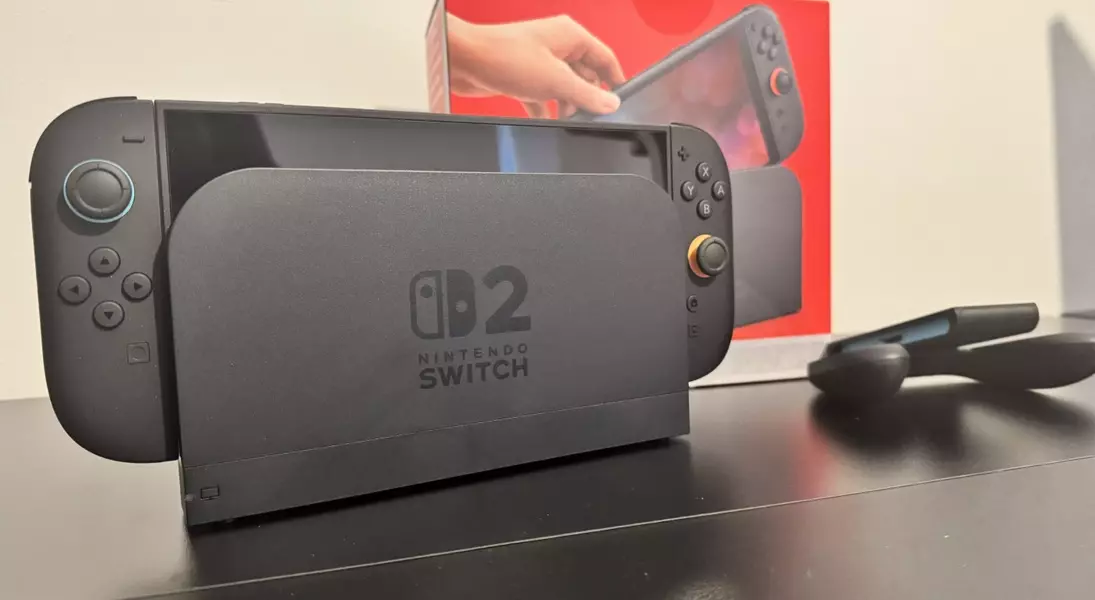
Nintendo has officially announced an upcoming price adjustment for its highly anticipated Switch 2 console, affecting several major markets. This decision, influenced by evolving market dynamics and broader economic pressures, will see prices rise in the United States, Canada, Europe, and Japan, with varying effective dates.
Nintendo Switch 2: Global Price Adjustments
Nintendo's forthcoming Switch 2 console will experience significant price increases across key international markets, including North America, Europe, and Japan. These adjustments are a direct response to a comprehensive evaluation of current market conditions and the anticipated global economic landscape. The price revisions for the US, Canada, and European regions are slated to commence on September 1, 2026, while consumers in Japan will face these changes earlier, along with increases for existing Switch models and online services. This move aligns Nintendo with other major console manufacturers who have similarly adjusted pricing due to prevailing economic challenges.
The price changes will see the US market's Switch 2 increase by $50, an approximately 11% hike. Canada will experience an 8% increase, while Europe will see a modest 6% rise. Japan, however, faces a more substantial increase of around 20% for the Switch 2 and its predecessors, with these changes taking effect as early as May 25, 2026. Nintendo of America emphasized that these revisions are a necessary response to sustained shifts in market conditions, projecting these economic influences to persist over the medium to long term. Notably, the price of the original Nintendo Switch will remain unchanged in the United States, Canada, and Europe, though Latin American markets are expected to see a price hike at a later date. This strategic decision comes on the heels of reports indicating investor concerns regarding the console's initial pricing. Moreover, the broader gaming hardware industry continues to grapple with increasing memory costs and global supply chain disruptions, further validating Nintendo's decision to re-evaluate its pricing strategy.
Economic Factors Driving Price Revisions
The rationale behind Nintendo's decision to raise prices stems from a complex interplay of global economic factors, including inflation, supply chain disruptions, and increased manufacturing costs. These challenges have compelled the company to adjust its pricing strategy to maintain profitability and sustainability in a volatile market. The long-term nature of these economic shifts suggests that consumers may need to adapt to higher costs for gaming hardware across the industry.
The primary drivers for these price revisions are multifaceted, encompassing the persistent memory crisis affecting hardware production, which is projected to extend until at least 2027, and geopolitical events that have exacerbated energy costs and raw material accessibility. Nintendo's statement highlights that these adjustments reflect "various changes in market conditions, which are expected to extend over the medium to long term." The impact is particularly pronounced in Japan, where the yen's decreasing purchasing power has made imported goods more expensive, necessitating an earlier and more substantial price hike for all Switch models, including the original, OLED, and Lite versions, as well as online services and even traditional playing cards. This economic landscape underscores a broader trend within the console market, as Nintendo joins competitors like Sony and Microsoft in adjusting prices for their current-generation systems. The company expressed its sincere apologies for the inconvenience these changes may cause, emphasizing the unavoidable nature of these price adjustments in the face of ongoing global economic pressures.
