Nintendo is strategically blending its future game releases for the Switch 2 by giving equal priority to both newly developed titles and reimagined versions of classic games. This balanced approach is currently underway, evidenced by the successful reintroductions of beloved N64 games. The company aims to cater to its long-standing fanbase while simultaneously drawing in fresh audiences who can experience these iconic stories for the first time.
The successful launch of modernized N64 classics, such as the critically acclaimed 'Star Fox' and the legendary 'Ocarina of Time' for the Switch 2, underscores Nintendo's commitment to this dual strategy. These remakes have not only performed well commercially, with 'Star Fox' surpassing a million units sold, but have also been warmly received by both players and critics. This reception reinforces the value of revisiting cherished games, not just for nostalgia, but also for their enduring appeal to new players.
The Dual Importance of Innovation and Nostalgia in Nintendo's Lineup
Nintendo's current development philosophy places original game creations and revivals of classic titles on an equivalent pedestal. Nate Bihldorff, the Senior Vice President of product development and publishing at Nintendo, articulated this vision, highlighting the deep satisfaction derived from re-engaging with games as significant as 'Ocarina of Time'. This strategy acknowledges the diverse desires within Nintendo's extensive player community, ensuring that fans of existing series receive exciting new entries while also celebrating the rich history of their intellectual properties. The company understands that a new generation of gamers might not have experienced these foundational titles, making remakes an essential gateway to their legacy.
This dual focus is crucial for Nintendo's sustained success. While the excitement for entirely new adventures remains high, the proven success of remakes like 'Ocarina of Time' demonstrates their critical role. These updated versions offer an opportunity to introduce legendary narratives and gameplay mechanics to players who were not around for their original releases, providing them with a contemporary, fresh experience. For these newcomers, a remake isn't just a rehash; it's a brand-new, immersive journey. This approach effectively bridges generational gaps, allowing more players to appreciate the foundational games that shaped the industry.
The Strategic Impact of Remakes on Player Engagement and Future Releases
The positive reception of recent N64 remakes on the Switch 2 has solidified their place within Nintendo's release schedule, proving that creatively updated classics can captivate audiences anew. While game remakes can sometimes be viewed as artistically challenging endeavors, Nintendo's efforts have consistently garnered accolades from both industry critics and dedicated fans. This success is partly due to the company's understanding that remakes serve as a vital conduit for introducing iconic titles, such as 'Ocarina of Time', to a fresh cohort of players who are experiencing these adventures for the very first time. For this segment of the audience, these are not mere re-releases but entirely novel experiences.
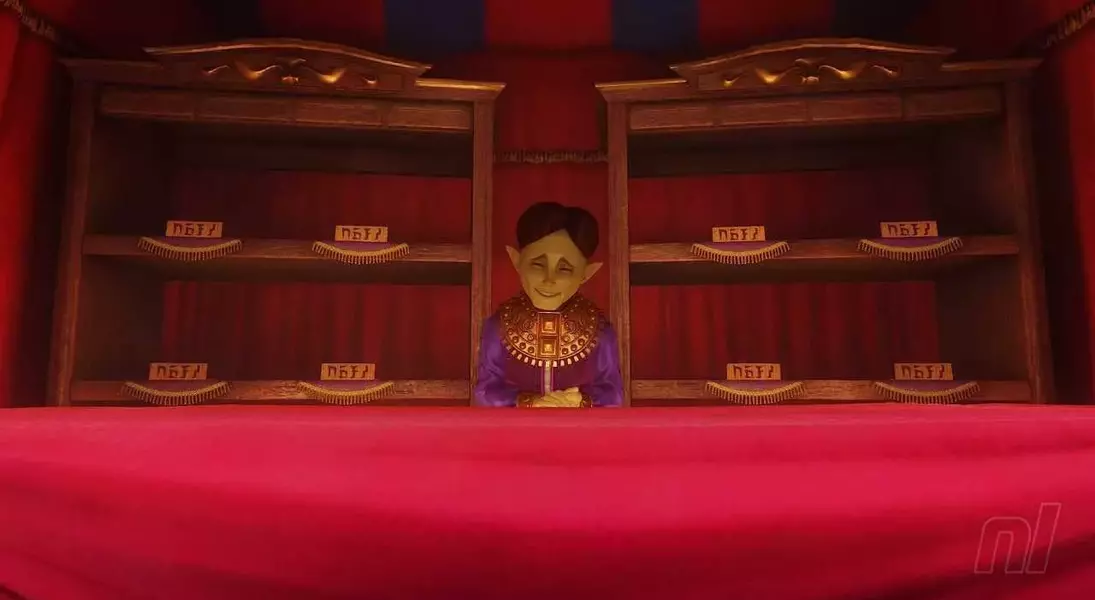
Looking ahead, the success of titles like 'Ocarina of Time' sets a promising precedent for future remakes. The gaming community is already speculating about which N64 classic might be next in line for a modern overhaul, with 'Majora's Mask', the direct sequel to 'Ocarina of Time', frequently cited as a strong candidate. The potential to leverage existing game engines and development assets makes such a transition particularly appealing. This forward-looking approach indicates that Nintendo is likely to continue mining its extensive catalog of beloved games, offering updated versions that both celebrate its heritage and expand its reach to a broader, contemporary audience.