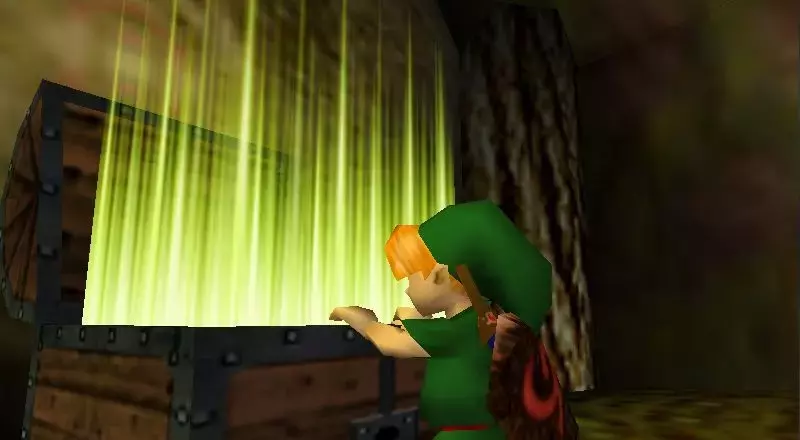
Nintendo's recent revelation of the Legend of Zelda: Ocarina of Time remake for the Switch 2 has ignited a flurry of discussion, though perhaps not in the manner the company intended. Many within the gaming community, myself included, found the teaser trailer to be a missed opportunity, a mere confirmation of long-standing rumors rather than a celebration of a title revered as a masterpiece. The anticipation surrounding this remake is immense, given its profound impact on the video game landscape, yet Nintendo's approach felt surprisingly understated, leaving fans hungry for more concrete details about how this beloved classic will be reimagined for a new generation.
The remake of Ocarina of Time carries a weight unlike many other titles. It's not just another game; it's a cultural touchstone, a pivotal moment in the evolution of 3D gaming. Modernizing such a sacred object presents a monumental challenge, balancing the preservation of its original magic with the necessity of adapting it to contemporary gaming standards. This delicate act involves addressing myriad aspects, from visual upgrades and audio enhancements to potential alterations in gameplay mechanics and camera systems. The fan base, deeply invested in every nuance of the original, scrutinizes every decision, making the stakes incredibly high for Nintendo to deliver a remake that honors its legacy while captivating new audiences.
The Enigma of Nintendo's Marketing Strategy
Nintendo's decision to release a minimalist teaser for the Ocarina of Time remake has been met with mixed reactions, raising questions about their often-effective, yet occasionally rigid, marketing approach. While the company's publicity department is known for its meticulous planning and successful campaigns, this particular unveiling seemed to prioritize confirming existing rumors over generating genuine excitement through new revelations. Many speculate that this strategy aims to cultivate a prolonged period of discussion and anticipation, allowing fans to theorize and generate organic hype. However, for a title as iconic as Ocarina of Time, a more substantial reveal might have better served to acknowledge its significance and temper the intense speculation that will now inevitably follow.
The rationale behind Nintendo's cautious approach to this reveal is open to interpretation. It's possible they intend to build suspense, gradually releasing information to sustain public interest over the long development cycle leading up to its 2026 launch. Yet, this strategy risks alienating a passionate fanbase eager for specifics regarding how such a foundational game will be updated. The absence of details on crucial elements like visual style, voice acting, and potential gameplay refinements leaves a void, prompting endless conjecture that could either fuel excitement or, conversely, create unrealistic expectations. The challenge for Nintendo now is to manage this narrative effectively, transforming the current ambiguity into a compelling dialogue that keeps the remake at the forefront of gamers' minds without leading to fatigue or frustration.
Balancing Innovation and Legacy in a Sacred Remake
The impending remake of The Legend of Zelda: Ocarina of Time represents a profound undertaking, as it seeks to rejuvenate a title universally acknowledged as a gaming masterpiece. This game transcends mere entertainment; it is a vital piece of video game history, having profoundly influenced countless developers and players during the formative years of 3D gaming. Consequently, the expectations surrounding its modernization are extraordinarily high. Nintendo faces the intricate task of preserving the intrinsic charm and groundbreaking design that defined the original, while simultaneously integrating contemporary gaming advancements to ensure it resonates with today's diverse audience. This delicate balance demands a deep understanding of its legacy coupled with a visionary approach to innovation.
Modernizing Ocarina of Time necessitates confronting a myriad of design and technical considerations that go far beyond a simple graphical update. Unlike the 3DS version, which primarily offered a visual polish, a full remake implies a comprehensive re-evaluation of the game's core elements. This includes reimagining the art direction to maintain its timeless appeal, potentially introducing voice acting to enhance narrative depth, and refining controls and camera mechanics to meet current standards without sacrificing the original's feel. Moreover, the developers must consider how this remake will coexist with the more recent, expansive Zelda titles like Breath of the Wild and Tears of the Kingdom. Whether it will subtly nod to these new iterations or remain a faithful recreation of its 1997 self is a critical question. The ambition is to craft an experience that satisfies both purists and newcomers, navigating the complex interplay between nostalgic reverence and the demands for a fresh, engaging adventure.
