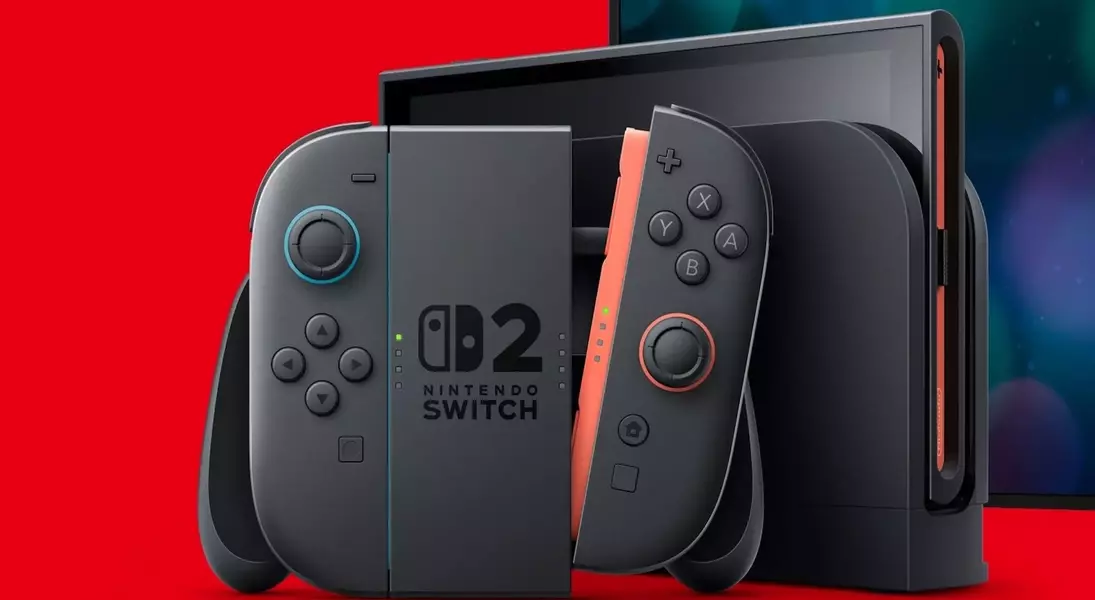
Nintendo's recently announced 'Customer Appreciation Sale' has ignited a lively discussion among its fanbase. While the prospect of 30% discounts on popular franchises is generally welcome, the underlying circumstances have led many to question Nintendo's true motives. This promotional event closely follows a period of legal wrangling for the gaming giant, involving a lawsuit against the U.S. government over tariffs and a subsequent class-action suit from customers demanding their own refunds. The company states the sale is partly funded by tariff-related refunds, a claim that has been met with both appreciation and skepticism regarding its sincerity and timing.
The genesis of this situation dates back to March 2026, when Nintendo initiated legal action against the U.S. government. The core of their argument was that tariffs imposed by the Trump administration were unlawful, and Nintendo sought a prompt reimbursement of duties paid since the policy's inception, along with accrued interest. This legal challenge, however, soon led to a new front in court: a class-action lawsuit filed against Nintendo itself. The plaintiffs in this case argued that, given Nintendo had attributed increased product prices to these same tariffs, the company had a responsibility to pass on any resulting savings to its consumers.
In July, Nintendo attempted to have the class-action lawsuit dismissed, contending that customers were not legally entitled to any rebates. Court filings from the company asserted that consumers who purchased Nintendo hardware during the tariff period "received exactly what they bargained for." Fast forward two months, and the narrative shifted with the announcement of the 'Customer Appreciation Sale'. Nintendo's official statement declared that the sale was "made possible in part by tariff-related refunds," further explaining that while Nintendo had absorbed the majority of tariff-related costs, these refunds contributed to making such promotions feasible. The sale, scheduled from September 13th to September 26th, encompasses both digital and select physical game copies, available directly through Nintendo and participating retailers. Specific details about which games or Switch 2 accessories will be included are yet to be revealed.
The reception among Nintendo enthusiasts has been decidedly mixed. Some fans voiced strong doubts, perceiving the sale as a calculated move rather than genuine appreciation. Comments on platforms like Reddit and YouTube reflected concerns that Nintendo might be using this event to avoid future legal liabilities. One prevailing worry is that by participating in the sale, consumers might inadvertently be seen as implicitly agreeing that Nintendo no longer owes them rebates, potentially undermining future claims. This perspective frames the sale as a strategic maneuver for damage control, rather than a straightforward customer benefit. Conversely, other members of the community do not view the sale with such suspicion. Some pointed out that Nintendo's response, even if prompted by legal pressures, is more beneficial to consumers than what competitors like Xbox and PlayStation have offered in similar tariff-related circumstances, which, according to one YouTube commenter, has been "practically nothing."
This promotional offering, while providing some financial relief to consumers, underscores a complex interplay between corporate strategy, legal obligations, and public perception. The debate highlights the ongoing scrutiny companies face when navigating significant financial and legal challenges, especially when those challenges directly impact consumer pricing. The 'Customer Appreciation Sale' is not merely a discount event; it is a public gesture intertwined with a larger corporate narrative concerning accountability and consumer trust.
