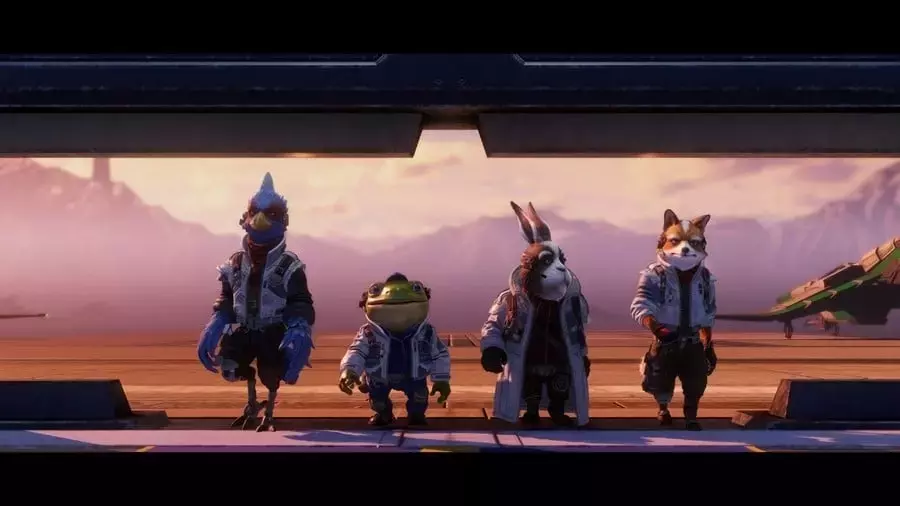
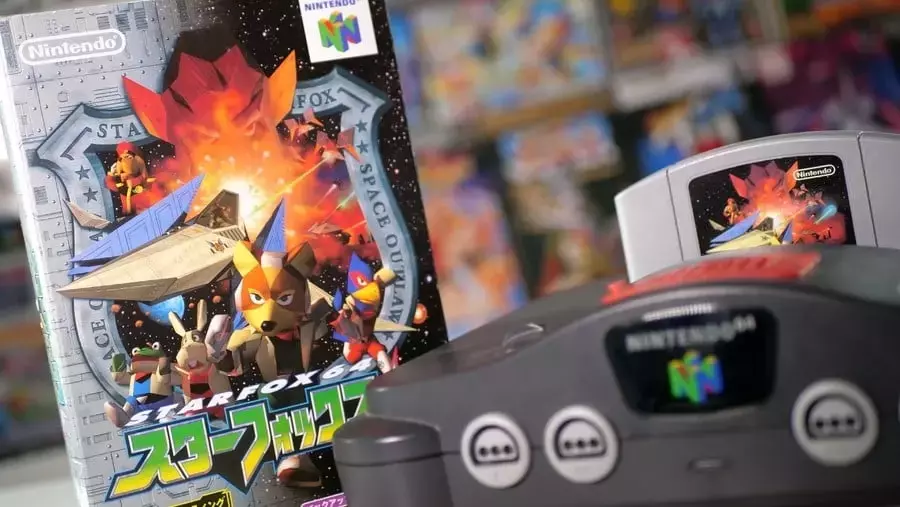
Nintendo is once again tapping into its rich legacy, bringing back the iconic Star Fox 64 for its new Switch 2 console. This latest iteration, dubbed a "cinematic take," aims to delight long-time fans with enhanced visuals and audio, while largely preserving the original game's beloved structure and level design. However, this move has ignited a conversation within the gaming community, as many ponder Nintendo's strategic direction, questioning the balance between leveraging cherished classics and introducing truly novel experiences, particularly in light of rumors surrounding other potential remakes, such as The Legend of Zelda: Ocarina of Time.
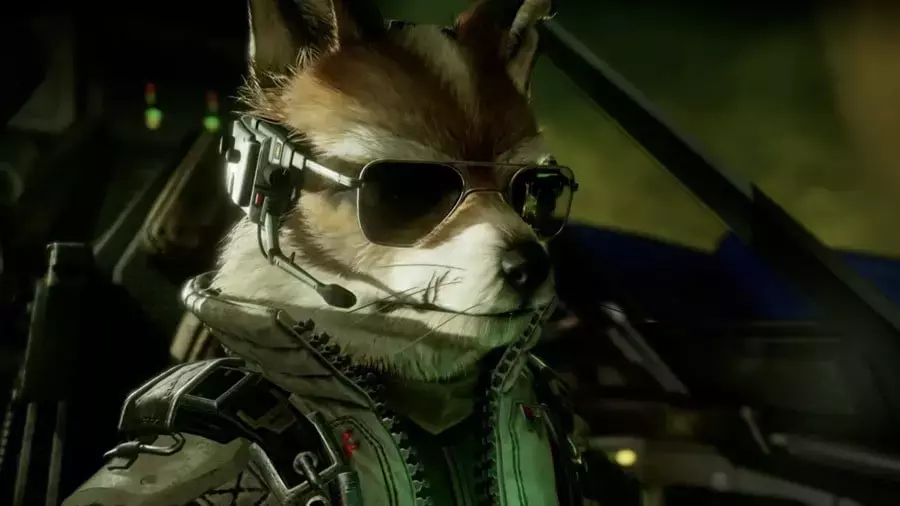
The announcement of the new Star Fox 64 remake arrived unexpectedly via a 'Star Fox Direct' presentation, framing the title as a modern reinterpretation that adheres closely to its source material. Unlike comprehensive overhauls seen in other franchises, this version focuses on refining the original experience rather than reinventing it. The core gameplay, renowned for its rail-shooter mechanics, remains intact, promising a familiar yet visually upgraded journey through the Lylat System. Early impressions highlight the impressive cinematic prologue featuring James McCloud and Peppy, alongside the updated character designs, which, while garnering mixed reactions, undeniably inject a fresh aesthetic into the classic.
Despite the excitement from fans eager to revisit Corneria and Venom with enhanced fidelity, there's an undercurrent of debate regarding Nintendo's recent trend of remakes. Critics suggest that while these re-releases guarantee a certain level of quality and commercial success, they might indicate a conservative approach to game development. The argument is that relying heavily on remakes, even of highly acclaimed titles like Star Fox 64, could lead to a perceived stagnation in innovation from a company historically celebrated for its groundbreaking titles.
The discussion is further fueled by the rumored Ocarina of Time remake. While many would welcome an updated version of such a seminal game, the prospect of multiple high-profile remakes raises questions about the creative ambition driving Nintendo's current lineup for the Switch 2. Some express a desire for more entirely new intellectual properties or revolutionary advancements in existing series, similar to the impact of titles like The Legend of Zelda: Breath of the Wild. This sentiment suggests that while nostalgia is a powerful draw, the gaming community also yearns for moments of genuine surprise and forward-thinking design.
Nintendo's decision to re-release Star Fox 64 for the Switch 2 underscores a strategy that prioritizes proven successes and fan favorites. While this approach offers a dependable and enjoyable experience for both veteran players and a new generation, it also invites scrutiny regarding the company's commitment to pushing creative boundaries. The game's relatively affordable price and added features, such as GameShare and online battle modes, aim to sweeten the deal, positioning it as a solid, if not revolutionary, addition to the Switch 2's library. Ultimately, this remake is poised to be a delightful summer distraction, yet it leaves many wondering what truly innovative surprises Nintendo might have in store for the future.
