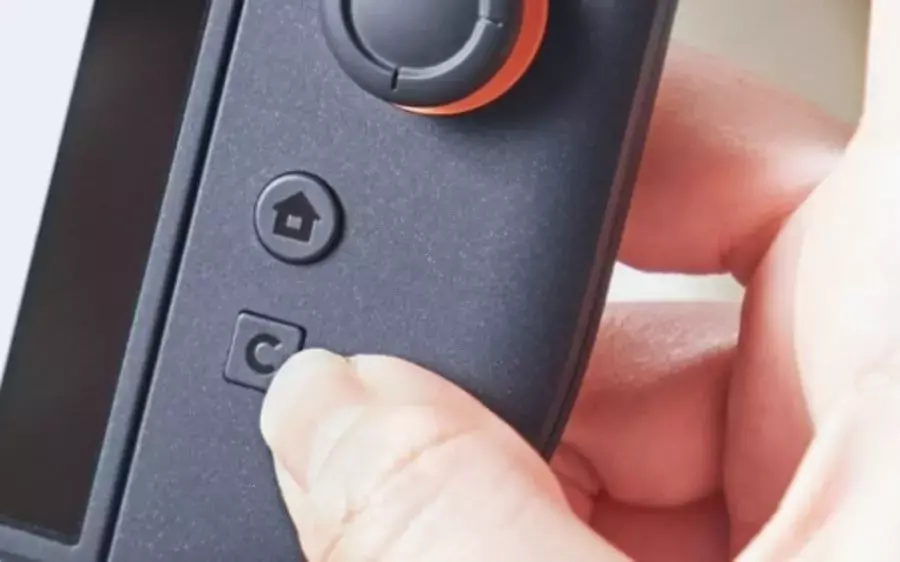
Nintendo recently offered insights into the conceptualization and final implementation of the 'C' button on its latest console, the Switch 2. This dedicated input was primarily designed to streamline communication among players. The company's objective was to ensure that initiating conversations with friends and family members would be as straightforward as possible, requiring only a singular action from the user. This design philosophy underscores Nintendo's commitment to user-friendly interfaces, even for features that are often integrated into more complex menu systems on other platforms.
Nintendo's Strategic Choice for Seamless Interaction on Switch 2
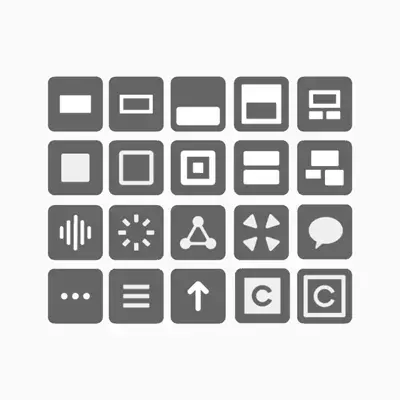
In a detailed explanation, derived from a recently translated article, Nintendo articulated its rationale for endowing the Switch 2's Joy-Con with a specialized 'C' button. This button's primary role is to facilitate seamless communication. The developers deliberately chose the letter 'C' not only to align aesthetically with the console's existing 'A' and 'B' button arrangement but also to intuitively represent core communication functions such as 'chat,' 'communication,' and 'conversation.' Furthermore, Nintendo unveiled several alternative icon designs that were considered during the development phase before settling on the current 'C' symbol, showcasing the iterative process behind the console's interface. To engage with the innovative Game Chat feature on the Switch 2, users typically need an active Switch Online membership. However, as part of a special 'GameChat Welcome Offer,' players can enjoy these communication functionalities without charge until the 31st of March, 2026.
This strategic integration of a dedicated communication button on the Switch 2 highlights an interesting trend in console design. While some may argue about the necessity of such a feature in an era dominated by external chat applications, Nintendo's decision speaks to a desire for integrated, accessible social interactions within its gaming ecosystem. It suggests a potential future where in-game communication is not just an add-on, but a core, frictionless experience. This move could foster a more connected community directly within the Nintendo platform, encouraging players to engage more deeply with each other and with the games themselves.
