This month's Nintendo Life Mailbox offers a delightful collection of reader submissions, exploring various facets of the gaming world. From personal anecdotes about the emotional impact of games to imaginative proposals for new titles and features, the column highlights the diverse perspectives within the Nintendo community. Readers delve into the inspirational lessons learned from virtual life simulations, ponder the unexplored potential of beloved characters, discuss the convenience of game-sharing functionalities, and engage in thoughtful debates about the categorization of iconic game franchises. The submissions collectively showcase the profound connection players have with their favorite games and the vibrant discussions they inspire.
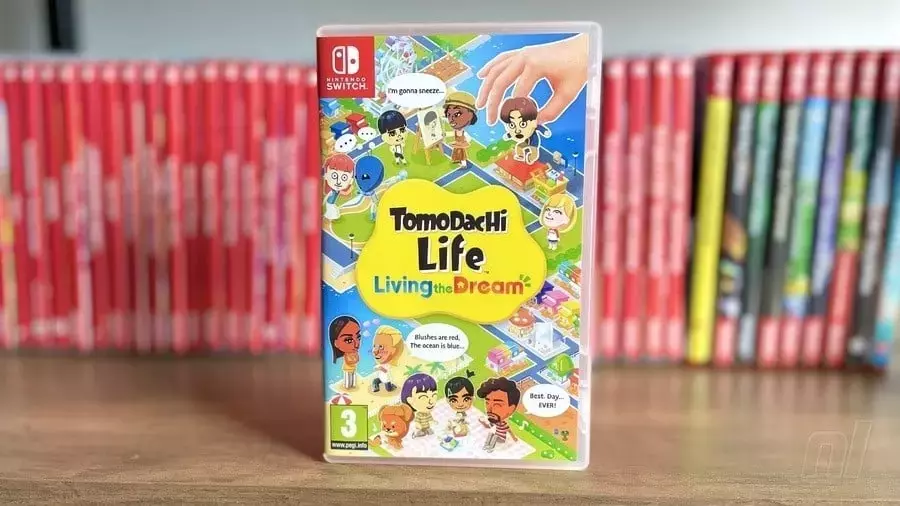
One poignant submission came from a reader named ParakerriRush, who shared a deeply personal experience with Tomodachi Life. After a difficult breakup, the game's portrayal of Miis navigating life's challenges, from sadness to recovery, resonated deeply. The Mii characters' resilience in overcoming setbacks, such as relationship troubles and emotional lows, served as a powerful metaphor for the reader's own journey. This virtual world, coupled with the encouragement to engage with others, provided an unexpected source of inspiration and support during a tough time. It underscored the therapeutic potential of video games, not just as entertainment but as tools for emotional processing and personal growth.
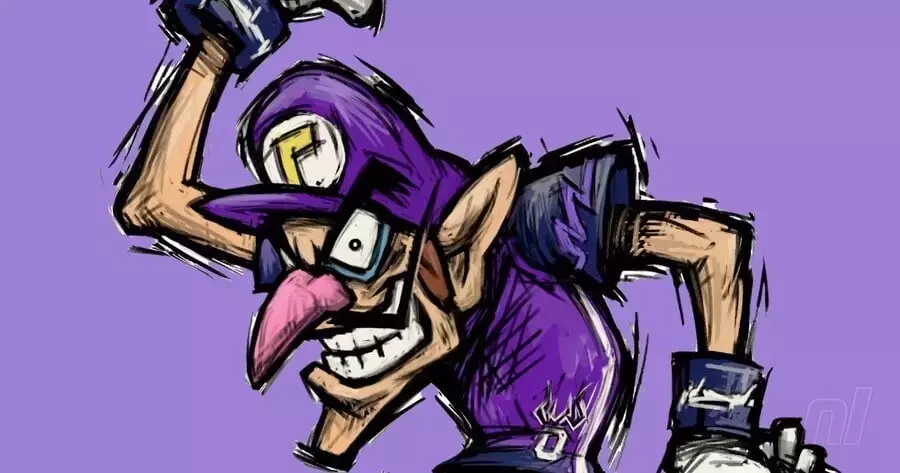
Another imaginative contribution came from Waaaaaxz, who advocated for Waluigi, the often-overlooked character, to finally star in his own dedicated game. Drawing parallels between Waluigi's unique, flamboyant persona and the late musical icon Prince, the reader envisioned a musically themed Souls-like adventure. In this concept, Waluigi would wield instruments as weapons, using sonic blasts from a guitar-axe, saxophone solos, and bongos to battle foes. An alternative, more whimsical idea proposed a giant animatronic Waluigi causing havoc in a city, reminiscent of Project Giant Robot, but with a destructive twist. These creative suggestions sparked further discussion among editors about Waluigi's potential roles, ranging from a 'big bad' antagonist in a 3D Mario game to a quirky orthodontist in the Mushroom Kingdom.
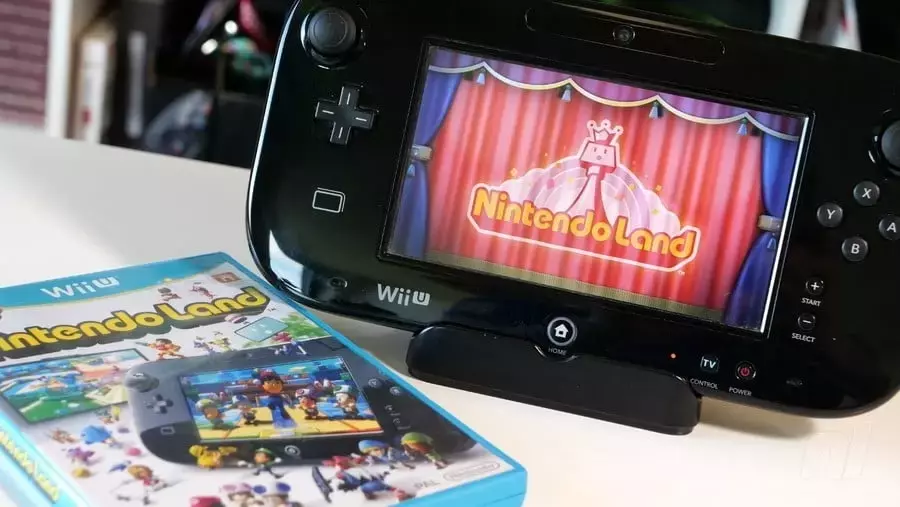
The utility of Nintendo's GameShare feature also drew attention from a reader named Ben. Highlighting its benefit for playing games like 51 Clubhouse Games, Ben suggested that integrating GameShare support into popular titles such as Splatoon 2 and Splatoon 3 would be a game-changer. This would not only enhance the multiplayer experience but also incentivize purchases, as players could share access to games without needing individual copies. The editor chimed in, acknowledging GameShare's value for households with multiple Switch consoles and expressed a desire for Nintendo to develop games specifically designed around multi-screen or shared-play mechanics, evoking nostalgia for Wii U titles like Nintendo Land and Affordable Space Adventures.
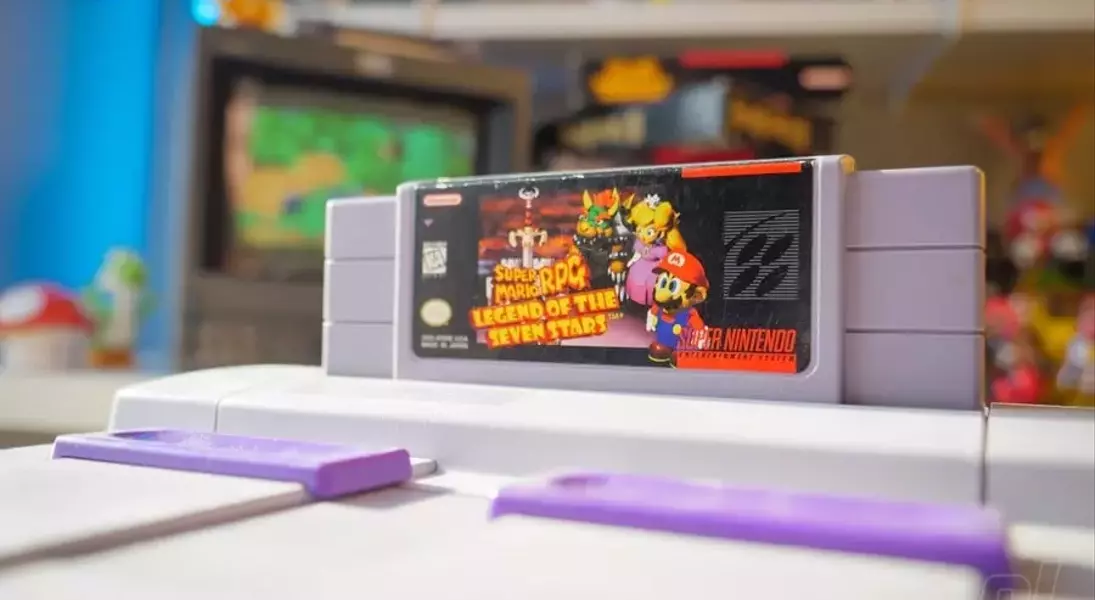
Finally, a lively debate unfolded regarding the definition of a "mainline" Mario game. A reader, self-identifying as a "Fan of Mario RPGs," challenged the conventional wisdom that excludes titles like Super Mario RPG from the "mainline" category. They argued that if the criteria for "mainline" hinged on direction by Miyamoto or being a platformer, then many beloved Mario games would be reclassified as spin-offs. The reader proposed a new taxonomy, dividing games into "adventure" (single-player, story-driven, including RPGs and 3D platformers) and "play" (multiplayer-focused, like Mario Kart and Mario Party) categories. The editor's response emphasized that genre labels serve to quickly convey general meaning, with "mainline" Mario traditionally understood as 2D or 3D platformers where jumping is the core mechanic. While acknowledging the limitations of such labels, the editor stressed their practical utility for guiding new players and distinguishing core experiences from various spin-offs.
In summary, the May 2026 edition of the Nintendo Life Mailbox provided a rich tapestry of gamer insights. Readers shared personal stories of how games like Tomodachi Life offered solace and inspiration, while others proposed innovative game concepts for underappreciated characters like Waluigi. The discussions also touched upon the practical benefits of features such as GameShare and the ongoing conversation surrounding the classification of Mario titles. This collection of letters truly encapsulates the vibrant and passionate community that surrounds Nintendo, demonstrating how games can inspire, entertain, and spark meaningful dialogue among players.
