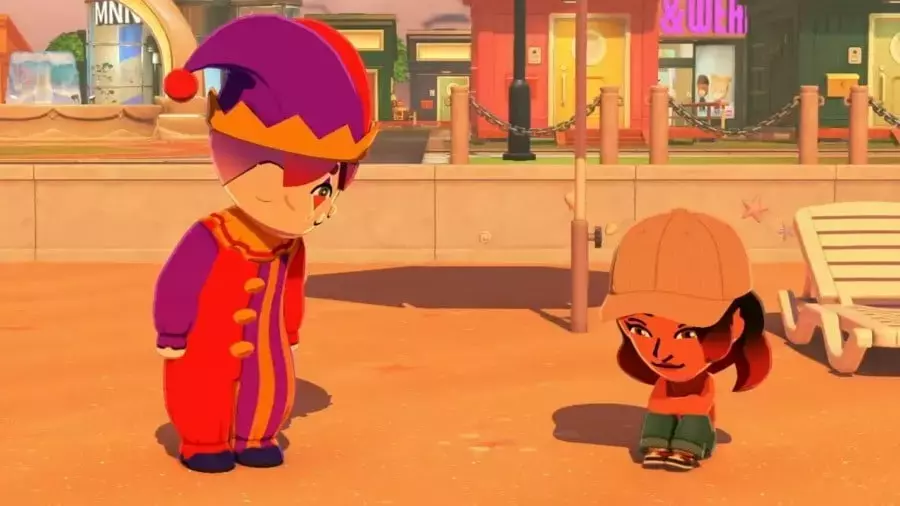
Nintendo has introduced new image sharing restrictions for its highly anticipated game, Tomodachi Life: Living the Dream. This decision comes as part of the company's broader commitment to ensuring a positive and family-friendly environment for all its users. The restrictions are designed to curb the dissemination of content that could be misinterpreted or diverge from the game's intended spirit of lighthearted fun.
Specifically, the new policies will disable automatic image transfers to the Nintendo Switch app and direct posting to social media platforms from the console for both current and next-generation Switch devices. This move echoes a similar past action taken with the Swapnote service in 2013, which was discontinued due to the exchange of inappropriate material. Although the company's official statement remains somewhat general, the intent appears to be to prevent players from sharing potentially offensive or explicit creations that could arise from the game's customizable elements.
Despite these limitations, players will still have avenues for sharing their in-game experiences. Screenshots can still be captured, and users can manually transfer these images to a computer via an SD card or direct console connection before uploading them online. While this adds a few extra steps to the sharing process, it ensures that creative expression is not entirely stifled. Nintendo's aim is to strike a balance between player freedom and maintaining a safe, inclusive gaming community.
This initiative by Nintendo underscores a vital message in today's digital landscape: the importance of responsible content creation and sharing. By setting clear boundaries, companies can cultivate spaces where creativity flourishes within an framework of respect and safety. This approach encourages users to consider the impact of their shared content and fosters a more positive online environment for everyone involved, reinforcing the idea that digital interactions should always strive for good and mutual enjoyment.
