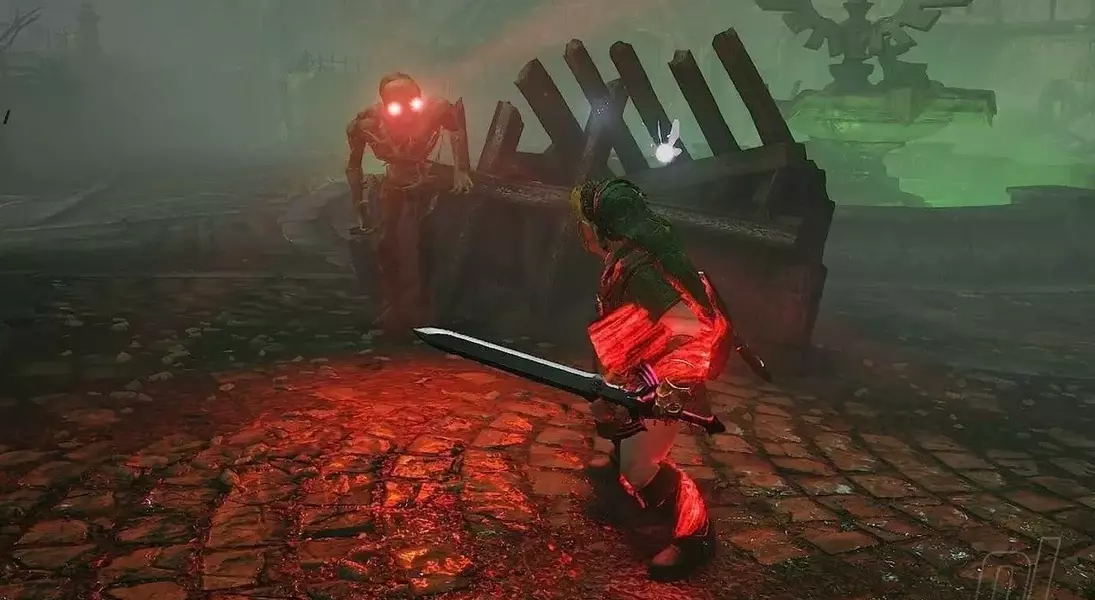
In a notable decision during the development of the 'Ocarina of Time' remake for the Switch 2, Nintendo consciously toned down the intensity of the game's more unsettling elements. Specifically, the notorious ReDead enemies, known for their zombie-like appearance and unnerving behavior, were initially designed to be significantly more terrifying. However, the development team opted to scale back these horror aspects to align the remake's experience more closely with the original title. This choice aimed to preserve the game's classic feel while still delivering a modernized visual and auditory experience, ensuring the creatures remained a creepy encounter rather than an overly frightening one.
The Evolution of ReDead's Fear Factor
During the development of the 'Ocarina of Time' remake, the visual and auditory enhancements led to an unexpectedly terrifying rendition of the ReDead enemies. Producer Hidemaro Fujibayashi revealed that the initial designs, which combined improved graphics, sounds, and movements, resulted in creatures that were "very, very scary." The development team considered this intensity for a compelling gameplay experience, but upon reflection, they decided to consciously "dial it back" to ensure the remake resonated with the original game's established level of horror. This strategic decision was made to prevent the ReDead from becoming so frightening that they would fundamentally alter the nostalgic and familiar experience for returning players, prioritizing a balance between modernization and faithfulness to the source material.
The creative process for the ReDead in the 'Ocarina of Time' remake involved a careful balancing act between leveraging new graphical capabilities and maintaining the intended emotional impact. Initially, the upgraded visuals and audio effects made the zombie-like adversaries significantly more unnerving than anticipated. This heightened scariness prompted the developers to reconsider their approach, as they aimed to preserve the core essence of the original game's encounters. Ultimately, the decision was made to moderate the ReDead's terrifying attributes, ensuring they remained unsettling but did not cross the threshold into excessive horror. This careful adjustment aimed to strike a chord with players who appreciated the original's creepy atmosphere without overwhelming them with an intensified fright, allowing the enemies to retain their iconic, eerie presence within the game world.
Preserving the Original's Spirit in Remake Design
The core objective of the 'Ocarina of Time' remake was to update the classic adventure for a new generation while honoring its legacy. A crucial aspect of this was preserving the original game's overall tone, particularly concerning elements that evoke fear. The initial, highly intensified version of the ReDead creatures posed a challenge to this philosophy, as their extreme scariness risked deviating significantly from the established player experience. By consciously reducing their fright factor, Nintendo aimed to ensure that the remake remained true to the original's balance of adventure, mystery, and occasional chills, preventing a shift towards an overly horror-centric ambiance. This approach demonstrates a commitment to retaining the beloved game's identity, allowing both new and veteran players to connect with the familiar emotional landscape of Hyrule.
The creative direction behind tempering the ReDead's horror in the 'Ocarina of Time' remake was rooted in a deep respect for the original game's design principles. The developers recognized that while modern graphical fidelity could amplify fear, it was equally important to maintain the classic sense of adventure and wonder. Producer Hidemaro Fujibayashi's reflection on not wanting to "change the experience" underscores this commitment, highlighting a deliberate choice to ensure that the remake provided an evolved yet recognizable encounter. The final iteration of the ReDead, while still unsettling and capable of startling players, represents a carefully calibrated version that aligns with the established psychological impact of the original. This thoughtful revision allowed the remake to deliver a fresh visual experience without sacrificing the nostalgic comfort and characteristic atmosphere that fans cherish from the iconic title.