While recent animated revivals like 'X-Men '97' are celebrated for their faithful adaptations and complex narratives, a classic from the same era, 'Teenage Mutant Ninja Turtles' (TMNT), often goes unnoticed. Running from 1987 to 1996, the original TMNT cartoon introduced a generation to Leonardo, Donatello, Raphael, and Michelangelo, cementing their place in popular culture. Despite its inconsistent quality, the series, at its peak, offered stories just as compelling and thought-provoking as its more critically acclaimed counterparts, deftly blending action, humor, and social commentary, and pioneering a distinctive approach to mutant-human relations that often surpassed the thematic depth of its contemporaries.
The Enduring Legacy of the Original 'Teenage Mutant Ninja Turtles' Series
In the late 1980s and 1990s, the world of animation was graced with a plethora of memorable series. While 'X-Men: The Animated Series' is widely lauded for its profound exploration of mutant struggles and comic-book accuracy, the original 'Teenage Mutant Ninja Turtles' (TMNT) cartoon, which debuted in 1987 and captivated audiences until 1996, frequently receives less critical acclaim. However, a closer look at certain episodes reveals that the TMNT series often achieved a depth and humor that rivaled, and in some aspects, even exceeded, its more serious counterparts.
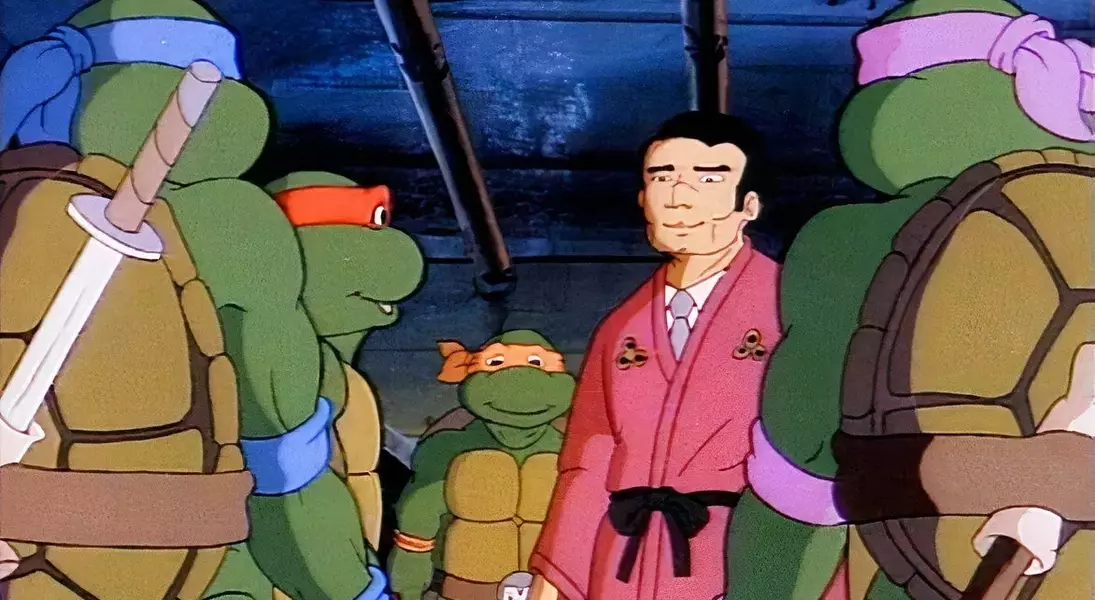
A prime example of the series' capacity for profound storytelling is the Season 2 episode, “Splinter No More.” In this compelling narrative, Donatello creates an anti-mutagen to restore Splinter to his human form, Hamato Yoshi. As Yoshi re-enters the human world after years as a rat in the sewers, he is confronted by the harsh realities of human intolerance and cruelty. When his transformation proves temporary, he is forced to conceal himself from fearful humans. Concurrently, the Turtles grapple with their own insecurities, fearing their master might abandon them for a human existence. This episode masterfully illustrates themes of prejudice and acceptance, challenging the idea that such nuanced discussions were exclusive to shows like 'X-Men: The Animated Series.'
The foundational arc of “The First Season,” encompassing the initial five episodes, laid a robust groundwork for the series. Commissioned by Playmates Toys to promote their upcoming line of merchandise, this miniseries by Fred Wolf Studios introduced the Turtles' origins, their mentor Splinter, their reporter ally April O'Neil (voiced by Renae Jacobs), and their iconic adversaries: Shredder (James Avery), Krang (Pat Fraley), Bebop (Gordon), Rocksteady (Cam Clarke), and Baxter Stockman (Fraley). Unlike the later seasons, which leaned heavily into comedy, these early episodes struck a perfect balance between humor and action, establishing the Turtles as witty yet formidable heroes. This initial run is widely considered by fans to be the pinnacle of the entire series.
The series truly shone when it embraced its comedic potential, as exemplified by the Season 4 episode, “Plan Six from Outer Space.” This episode features the bumbling duo Bebop and Rocksteady, who, while attempting to install thrusters to launch Channel 6 into space, accidentally become the heads of programming. This absurd scenario highlights the show's sharp comedic writing and its ability to weave humor into seemingly straightforward villainous plots. The episode underscores the show's often overlooked comedic brilliance, particularly through Raphael's fourth-wall-breaking commentary and the antagonists' ludicrous antics.
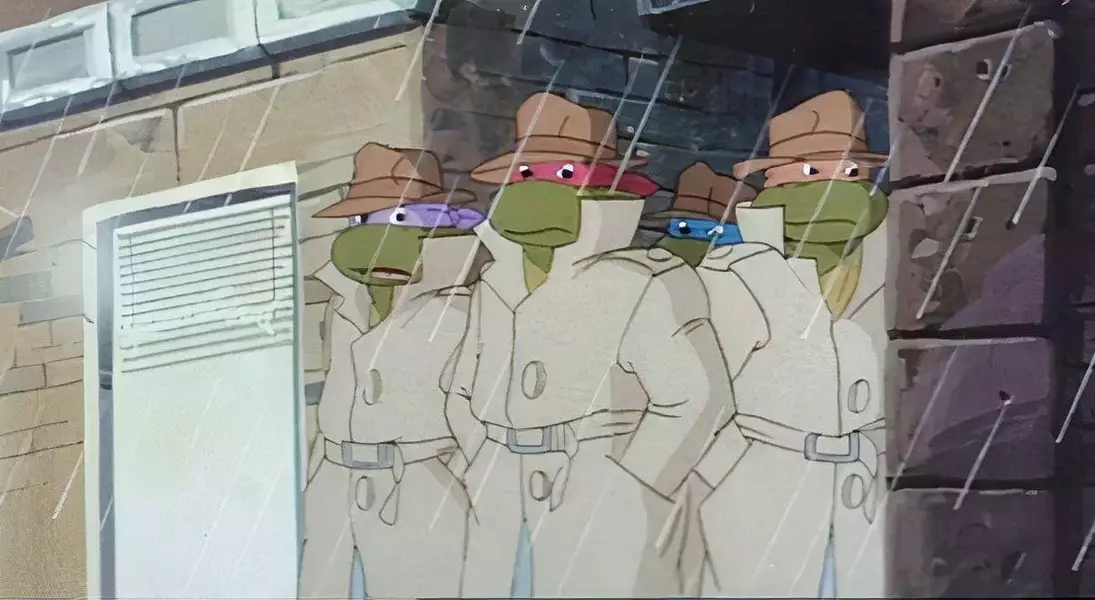
Another cleverly written episode is “The Maltese Hamster” from Season 3, a brilliant parody of noir films. With Donatello providing a private-eye-style narration, the plot mirrors 'The Maltese Falcon,' centering on a hamster statue containing a powerful explosive, sought after by Shredder and gangster Tony "The Butcher" Vivaldi (Renaday). This episode's success lies in its full embrace of noir tropes, infused with the show's signature mutant humor, showcasing its creative storytelling beyond mere action.
Finally, the Season 3 episode “Turtles on Trial” revisits the theme of mutant discrimination. The Ninja Turtles become the target of a sensationalist talk show host, Clayton Kellerman (Townsend Coleman), who denounces them as criminals. Despite their heroic actions, they are pursued by an angry mob. The Turtles' decision to appear on Kellerman's show to clear their names ultimately succeeds, marking a turning point where they are largely accepted as heroes rather than hidden figures. This narrative arc poignantly demonstrates how the Turtles achieved a peaceful coexistence between humans and mutants, a goal Professor X often espoused but the Turtles seemingly accomplished with greater directness and success.
Revisiting the original 'Teenage Mutant Ninja Turtles' series through these standout episodes offers a fresh perspective on its cultural impact and narrative depth. It's clear that the show, far from being mere children's fare, frequently tackled complex themes with a unique blend of humor and heart. For fans and newcomers alike, these stories provide a compelling argument for its enduring legacy and a testament to its underappreciated brilliance in the pantheon of 90s animation. Perhaps it's time for this beloved cartoon to receive the recognition it truly deserves, not just as a nostalgic childhood memory, but as a thoughtfully crafted piece of storytelling that stood shoulder-to-shoulder with its more celebrated peers.
