
Newcastle United's tactical landscape under manager Eddie Howe is a fascinating study in evolution and strategic adaptation. The club’s approach centers on a dynamic blend of high-intensity play, aggressive pressing, and carefully crafted offensive movements. While their foundational 4-3-3 system often remains consistent, the nuanced roles of individual players and the timing of defensive actions are meticulously adjusted to counter specific opponents. The influence of key figures like Sandro Tonali, especially following his shift to a deeper midfield position, has been transformative, bringing a new balance to both defensive solidity and offensive transitions. Furthermore, the emphasis on direct attacking runs, effective cross delivery, and the strategic use of overlapping and underlapping movements highlights their commitment to creating numerous scoring opportunities. This comprehensive tactical overview provides insight into how Newcastle aims to build on recent successes and adapt for future challenges, including potential changes to their attacking setup and goalkeeping strategies.
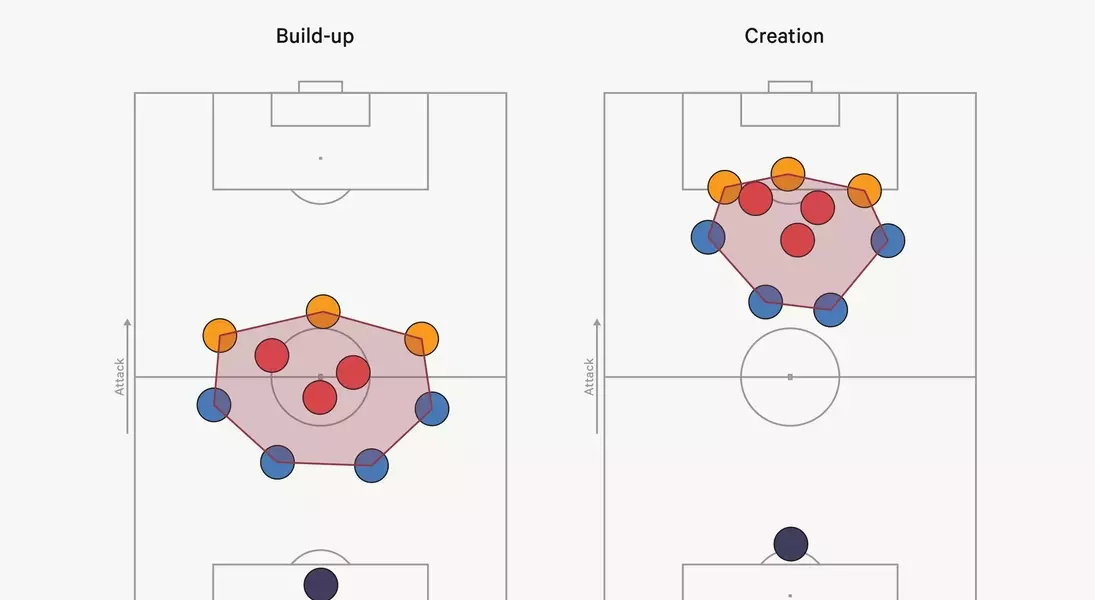
Under Eddie Howe’s stewardship, Newcastle United has largely adhered to a predictable yet effective 4-3-3 formation since November 2021, with only occasional deviations. Despite this apparent consistency, the tactical depth lies in the intricate adjustments made to player roles based on the opposing team. This adaptability was particularly evident towards the end of the 2024-25 season, when a three-man defense was occasionally deployed, showcasing Howe’s willingness to alter the system for high-stakes European qualification matches. The recent acquisition of Malick Thiaw, a versatile central defender, further bolsters their ability to fluidly switch between defensive structures.
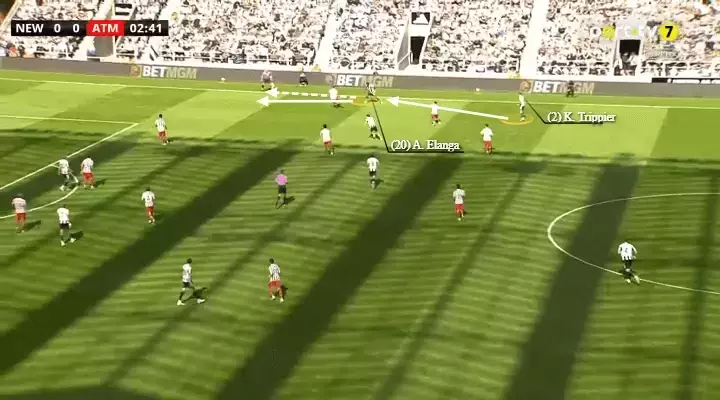
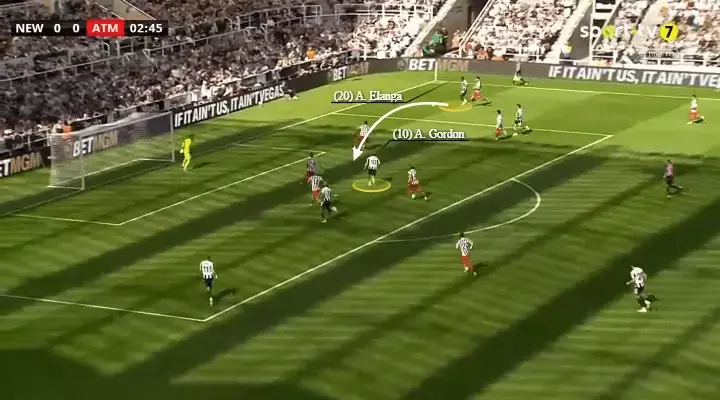
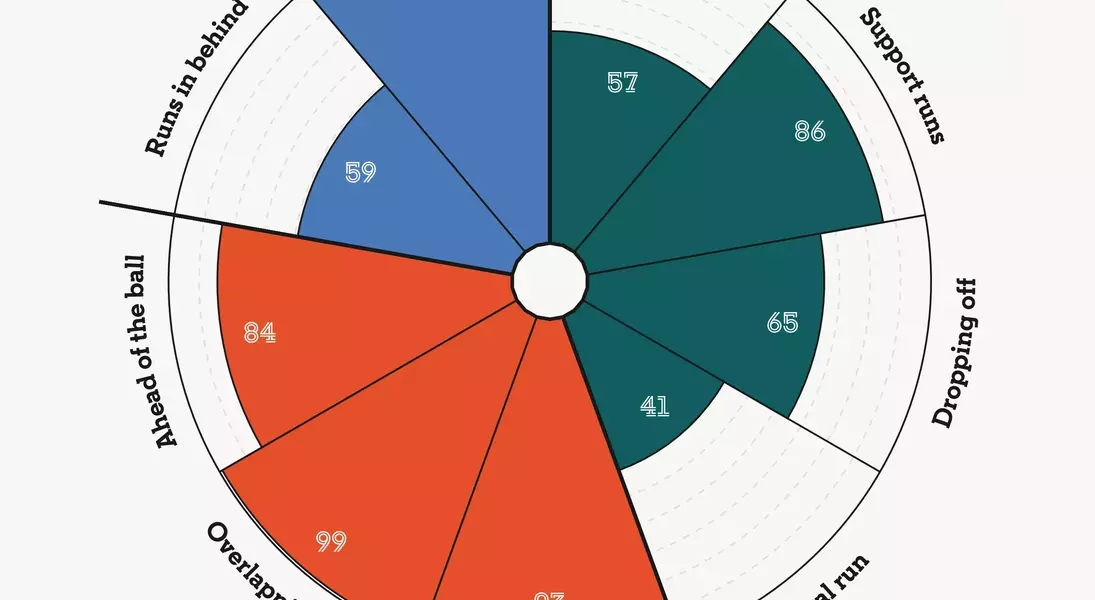
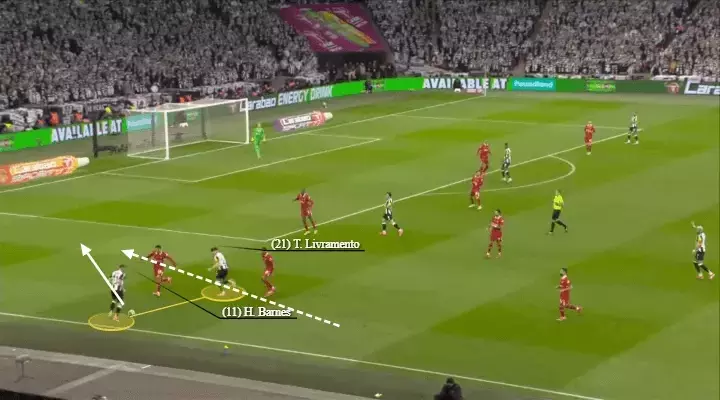
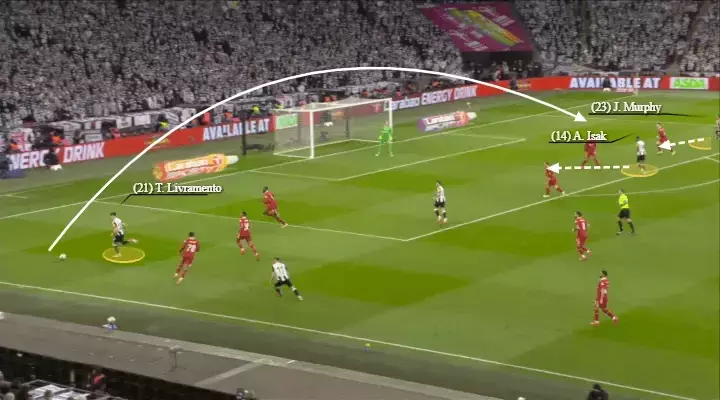
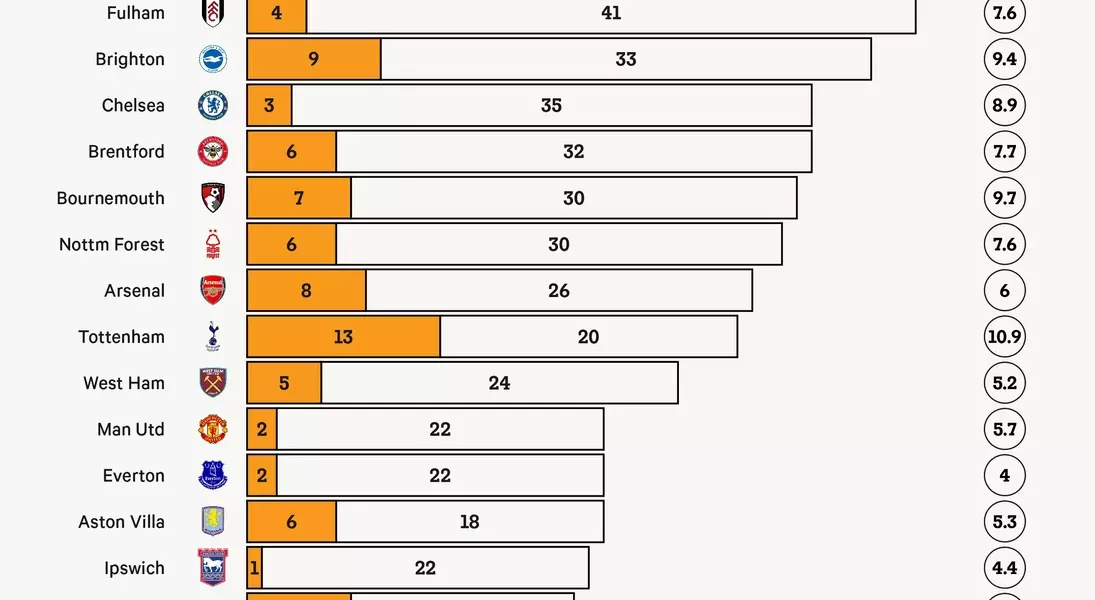
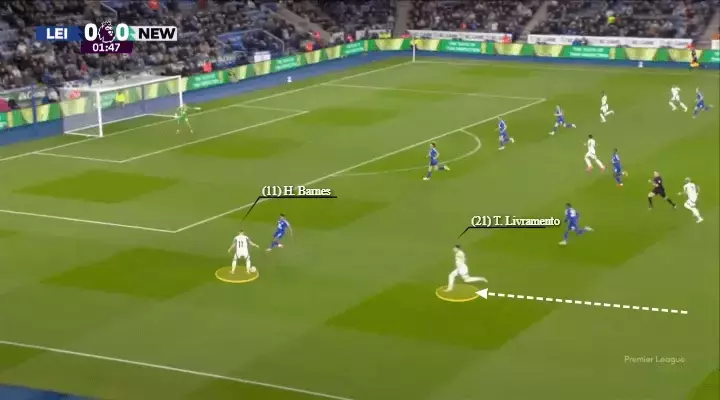
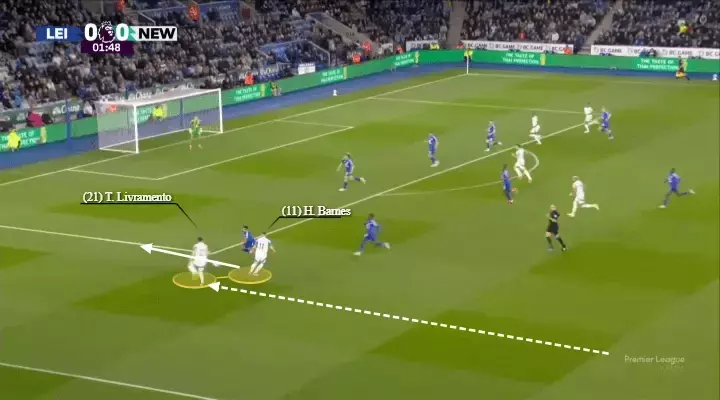
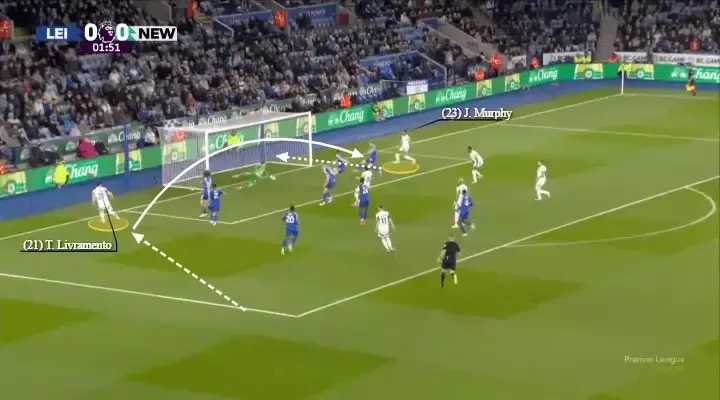
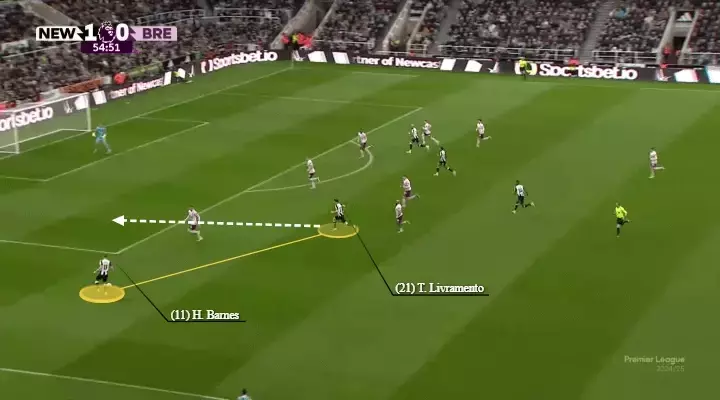
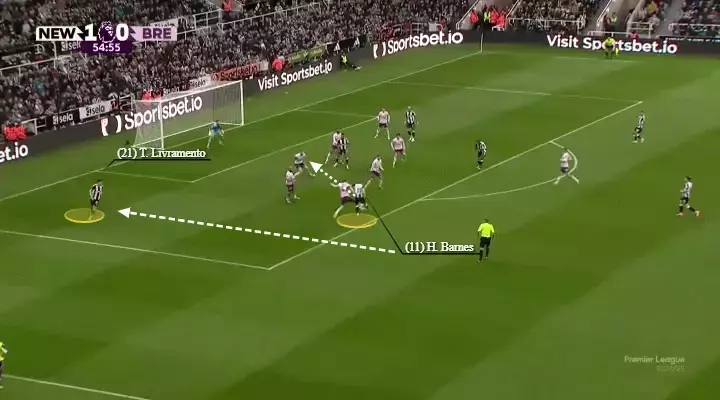
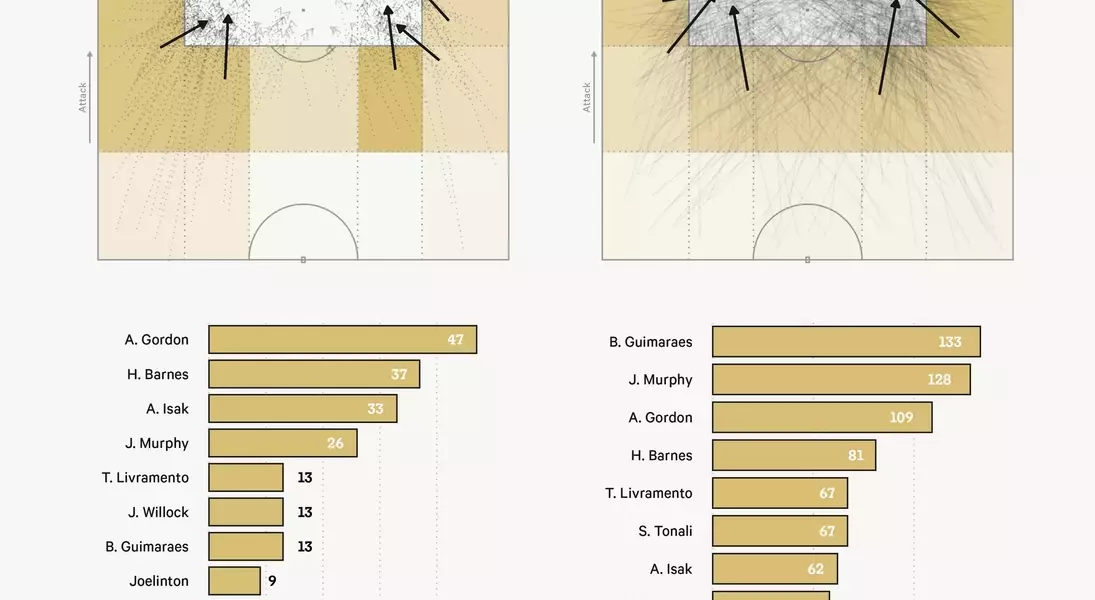
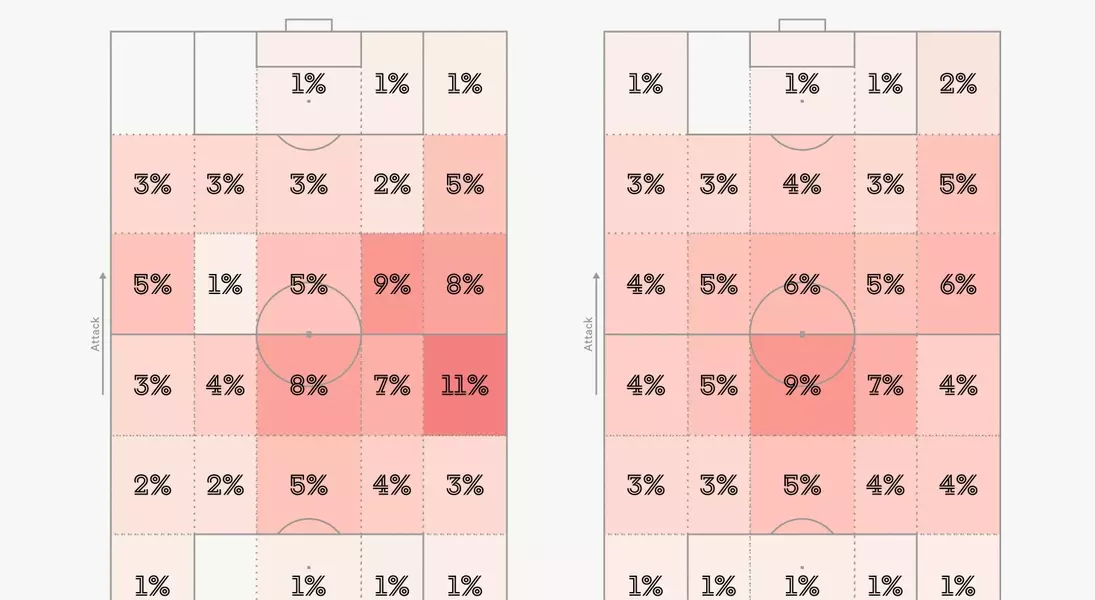
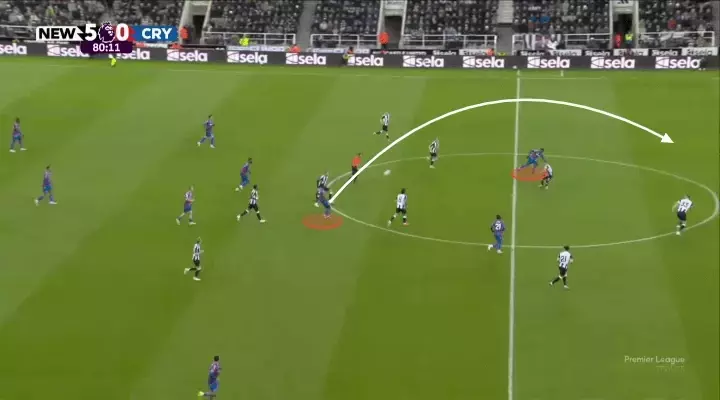
The club’s on-field strategy emphasizes powerful athleticism and relentless energy. Newcastle consistently led the Premier League in high-speed sprints per minute of build-up play, indicating their commitment to rapid, vertical attacks. Their propensity for “fast breaks” resulted in significant expected goals (xG), placing them among the league’s elite in this metric. Players like Anthony Gordon, Harvey Barnes, and Tino Livramento are crucial to this approach, utilizing their speed for penetrating runs and effective cross delivery, particularly to the back post, a consistent source of goals last season. The strategic interplay between wingers and full-backs, often involving overlapping and underlapping movements, creates space and numerical advantages in wide areas.
Sandro Tonali’s repositioning as a deep-lying number six has been a pivotal tactical shift, significantly impacting Newcastle’s performance in the 2024-25 season. His unique combination of defensive coverage, counter-attacking initiation through superb passing range, and ability to join the attack provides a vital balance. This tactical tweak was a major factor in the team's success, including their Carabao Cup victory and Champions League qualification, by offering both a shield for the defense and a launchpad for offensive thrusts. His versatility and engine allow him to influence play across the pitch, moving beyond the traditional holding midfield role.
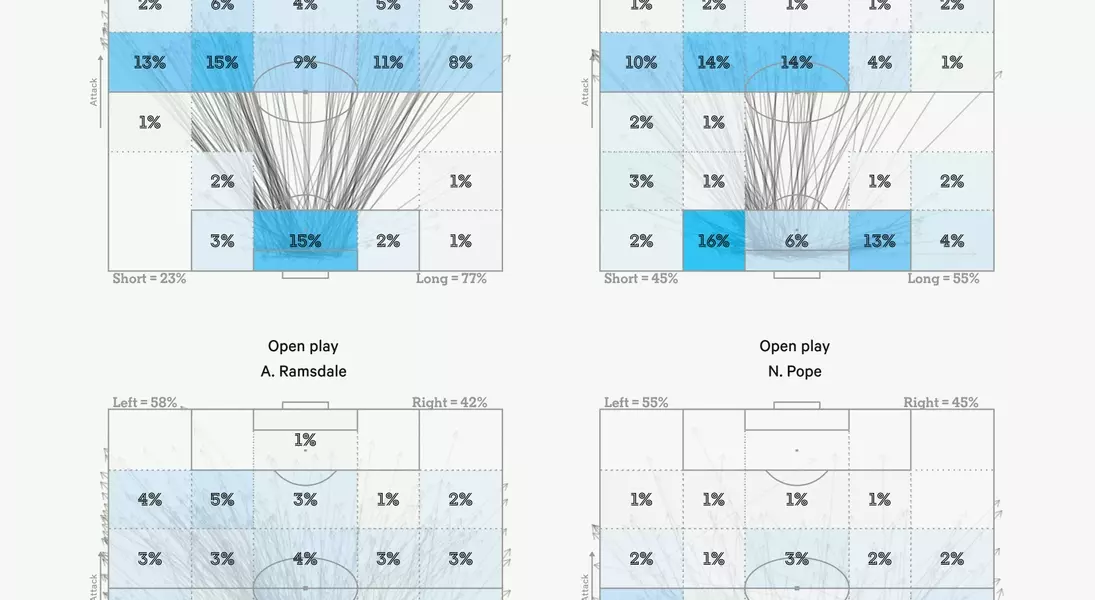
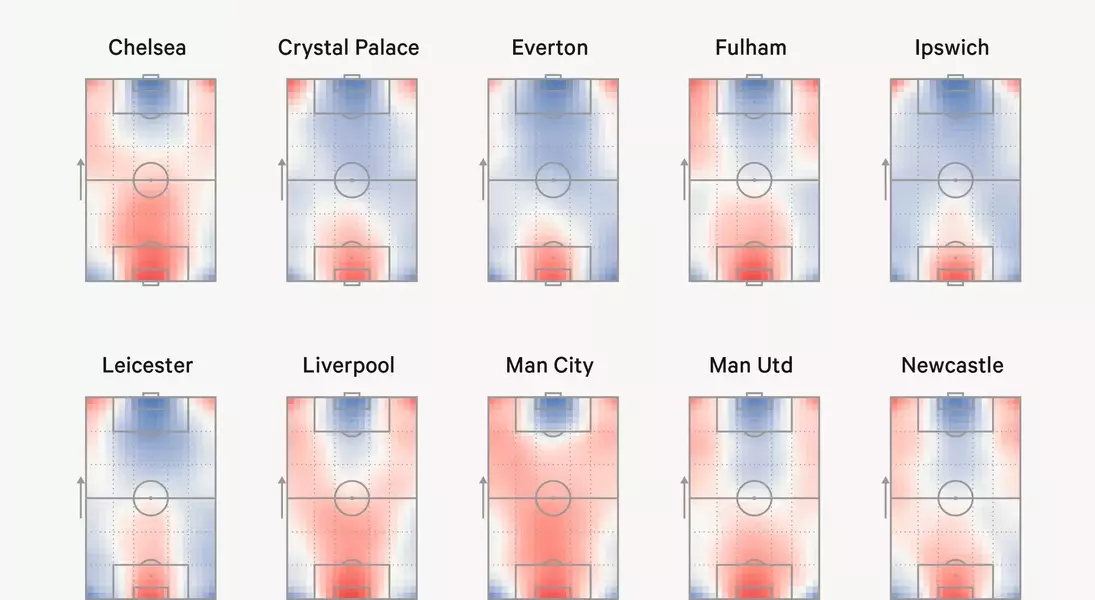
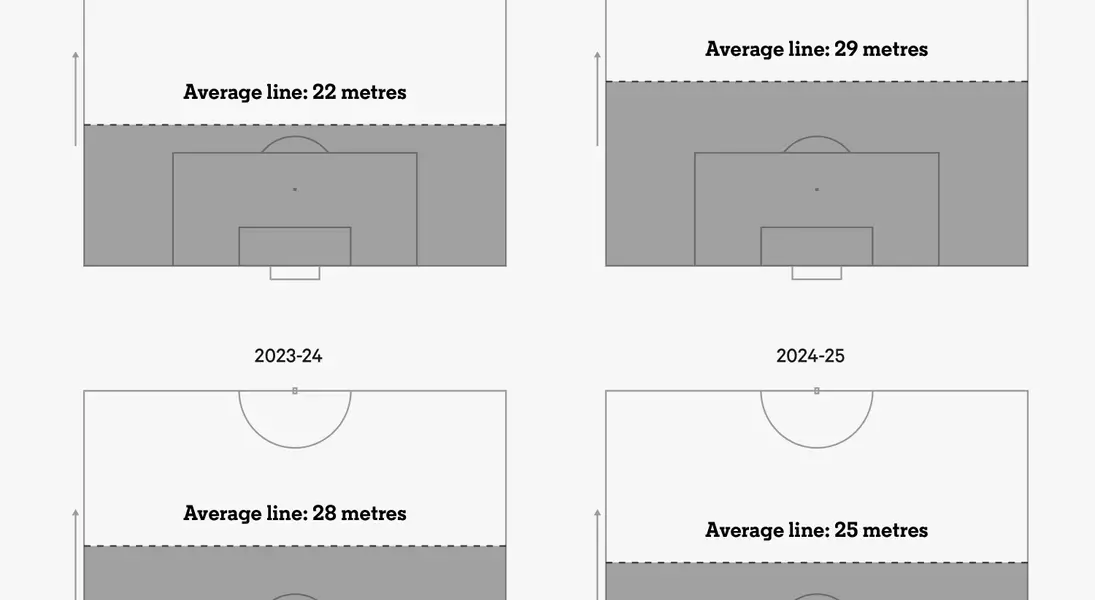
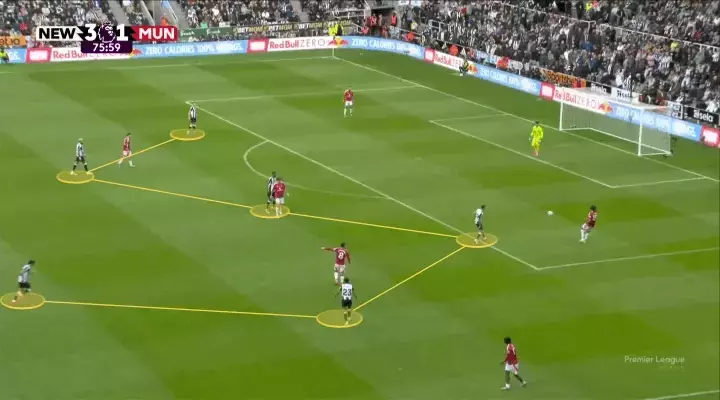
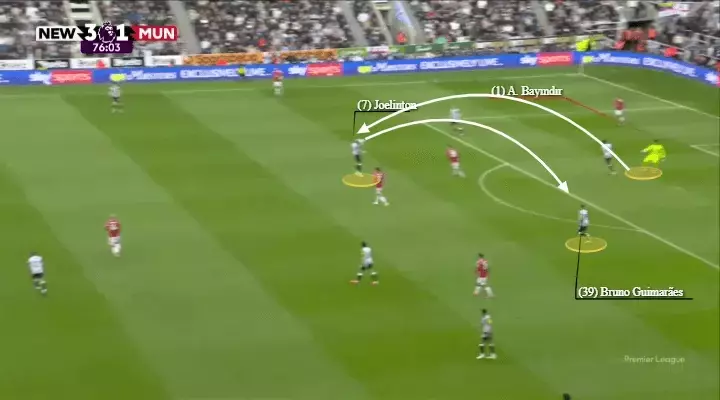
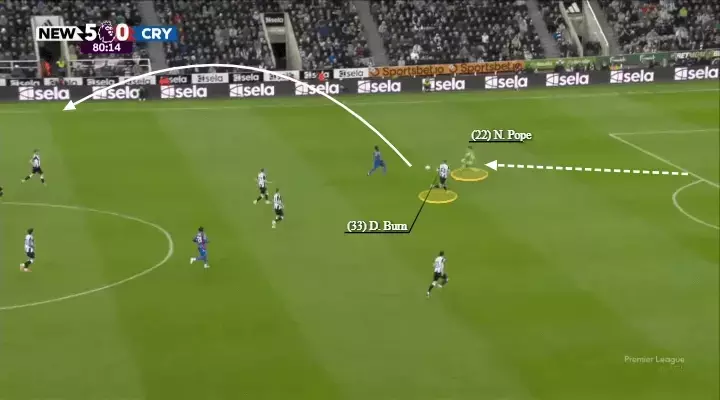
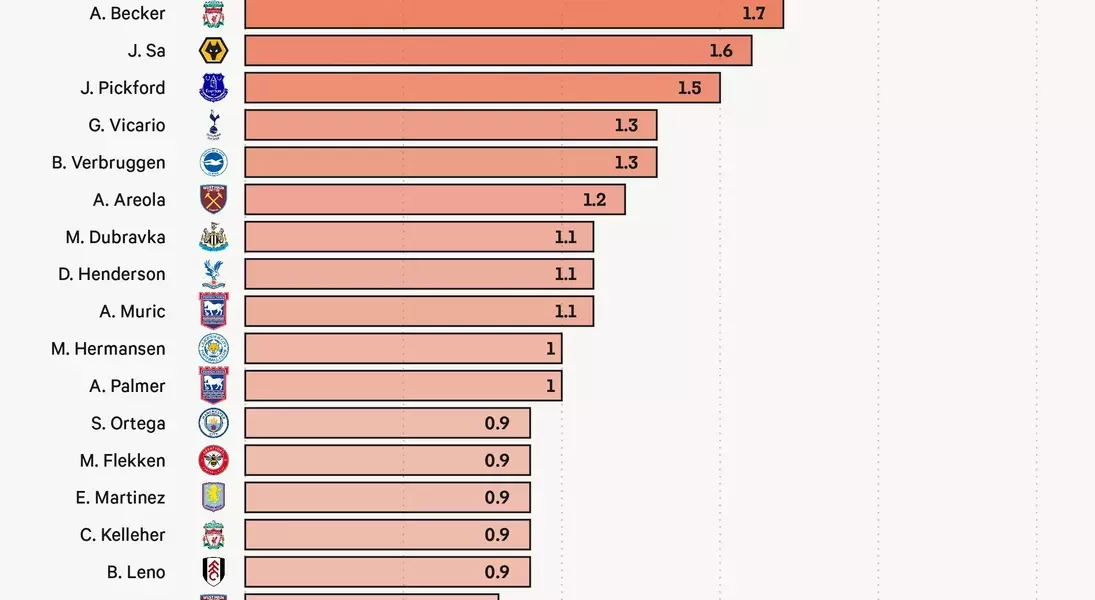
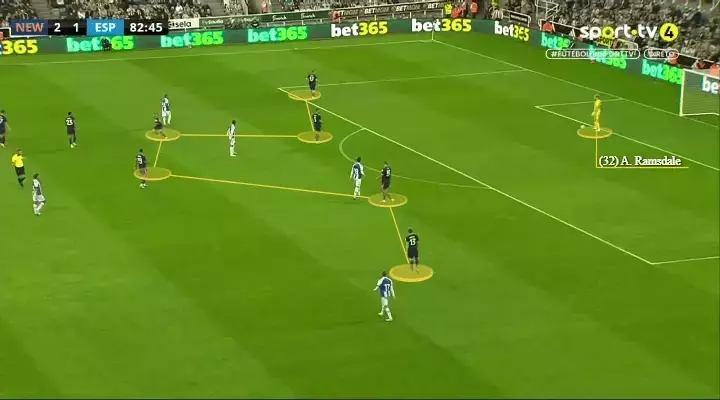
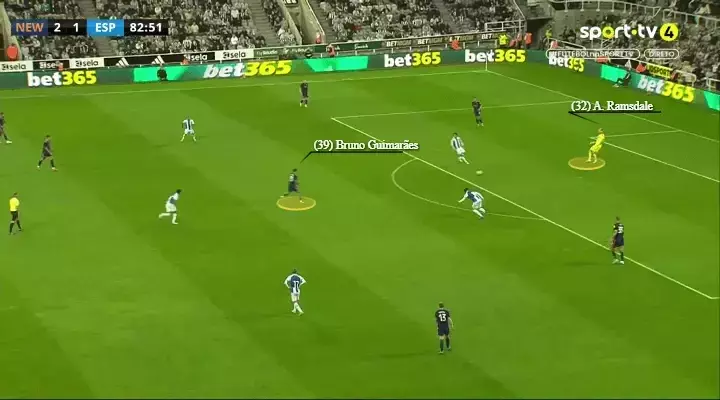
Defensively, Newcastle has demonstrated a calculated evolution. While their early success under Howe was characterized by an aggressive, high-pressing style, they have since refined this approach to be more selective, choosing opportune moments to press high rather than constantly engaging. This shift is reflected in their slightly deeper defensive line in the 2024-25 season, which contributed to a notable reduction in goals conceded. The team’s flexibility in defensive schemes, ranging from deep blocks to man-for-man marking, allows them to adapt to diverse opponents. Goalkeeper Nick Pope’s proactive “sweeper-keeper” role, where he frequently exits his box to manage defensive situations, remains a distinctive feature of their play, although the recent arrival of Aaron Ramsdale introduces different strengths, particularly in ball distribution from the back.
As Newcastle United looks to the 2025-26 season, the overarching tactical philosophy developed by Eddie Howe remains firmly in place. While adaptability is key, especially concerning player availability and opponent specific strategies, the core principles of intensity, athleticism, and a structured attacking and defensive framework are set to define their performance. The ongoing refinement of their playing style, coupled with strategic squad enhancements, points towards a continued pursuit of excellence and competitive growth within the Premier League and beyond.
