


Newcastle United finds itself at a pivotal juncture in the transfer market, grappling with a significant strategic decision that could redefine its offensive capabilities. The potential sale of Alexander Isak, a proven goal-scorer, for a lucrative sum, directly contrasts with the club's long-standing interest in acquiring the promising Hugo Ekitike. This intricate situation demands careful consideration of on-field dynamics, financial implications, public perception, and player availability. The club’s management and coaching staff are tasked with navigating these complexities to ensure the team's continued success, especially as they prepare for a return to the Champions League stage. The choices made now will undoubtedly shape Newcastle's competitive standing in the seasons to come.
Newcastle United Navigates High-Stakes Transfer Decisions for Offensive Reinforcement
In a dynamic twist in the summer transfer window, Newcastle United, a prominent force in English football, is currently embroiled in a high-stakes dilemma concerning its forward line. Reports on July 14, 2025, from reputable sources indicated Newcastle's earnest endeavors to secure the signature of Hugo Ekitike, a highly-touted 23-year-old French forward from Eintracht Frankfurt, in a deal estimated at €75 million (£65 million/$87 million). The initial strategy was to integrate Ekitike alongside their established 25-year-old Swedish international striker, Alexander Isak, particularly with the club's anticipated return to the prestigious Champions League competition.
However, the unfolding narrative took a dramatic turn on July 15, 2025, when Liverpool, the reigning Premier League champions, reportedly initiated contact regarding Isak. Although a formal offer has yet to materialize, Liverpool's discernible interest suggests a potential bid in the vicinity of £120 million for the prolific striker. This development has thrust Newcastle into a profound re-evaluation of its transfer priorities and squad composition.
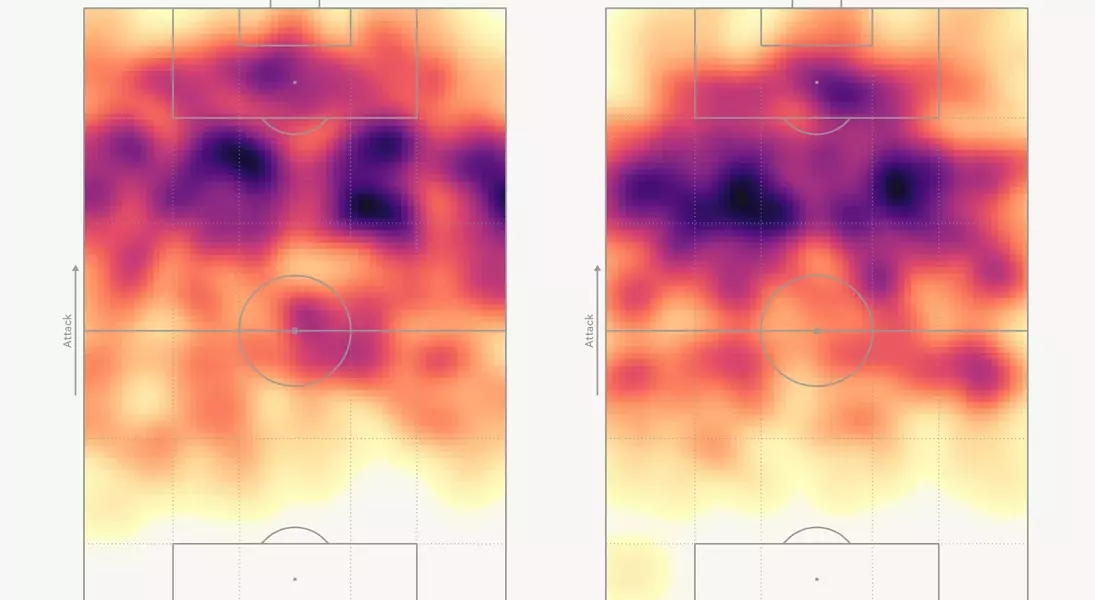
From a tactical standpoint, Alexander Isak stands out as a uniquely gifted center-forward, celebrated for his imposing physical presence, refined technical skill, and potent attacking runs. His remarkable tally of 44 goals over the past two seasons unequivocally demonstrates his Premier League pedigree. Hugo Ekitike, while not yet boasting Isak’s experience, exhibits a strikingly similar playing style, characterized by exceptional ball-carrying abilities and decisive contributions in fast-break scenarios, as evidenced by his role in Frankfurt's league-leading counter-attacking efforts last season. Despite his youthful potential and promising attributes, Ekitike's shot selection and finishing consistency remain areas for development, suggesting a potential adjustment period if he were to transition to the demanding English top flight.
Financially, the prospect of selling Isak for approximately £120 million presents a significant opportunity. Given his current book value of roughly £34 million, a sale at that price, even after accounting for a 10% sell-on clause to Real Sociedad, would yield an estimated profit of £79.8 million for Newcastle. This substantial gain would dramatically bolster the club's profitability and sustainability (PSR) standing, providing crucial financial flexibility. Should Newcastle then proceed with Ekitike's acquisition for £75 million on a five-year contract, the annual amortization costs would be considerably lower, creating a positive financial impact of approximately £63.4 million in the 2025-26 season alone. Such a financial injection could empower Newcastle to pursue further strategic investments in other areas of the squad.
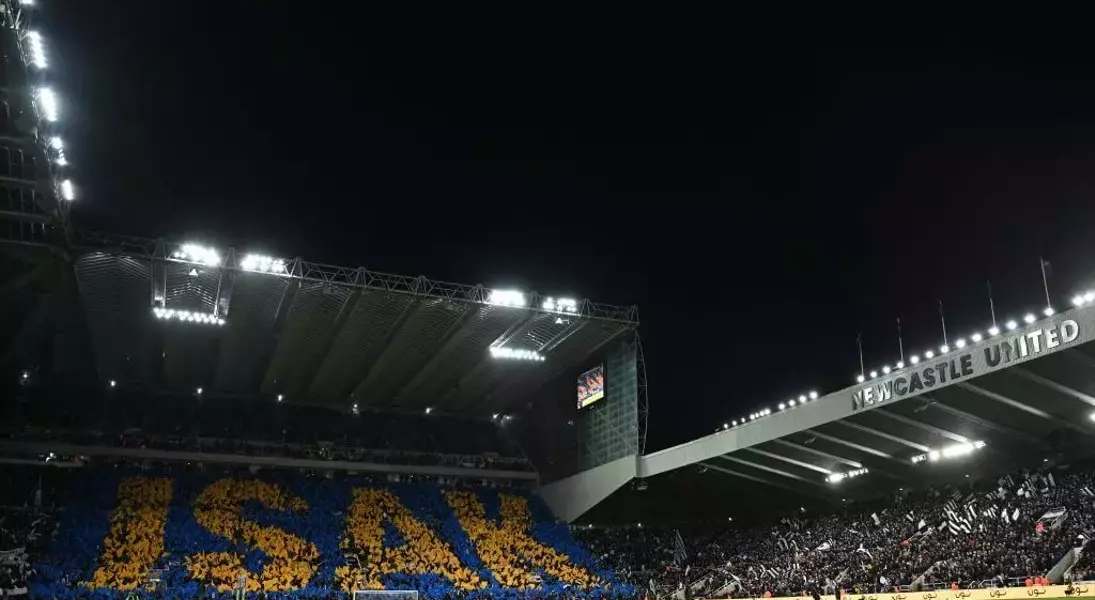
In terms of public perception, a decision to sell Isak, especially to a direct competitor like Liverpool, carries inherent risks. Isak has become a fan favorite, lauded for his contributions and likened to club legends. Replacing a proven Premier League talent with a less experienced, albeit promising, player could test fan patience and potentially place undue pressure on Ekitike to deliver immediate results. The club's leadership has consistently asserted their desire to retain Isak and integrate Ekitike, emphasizing that a sale is not their preferred path unless Isak himself expresses a desire to depart.
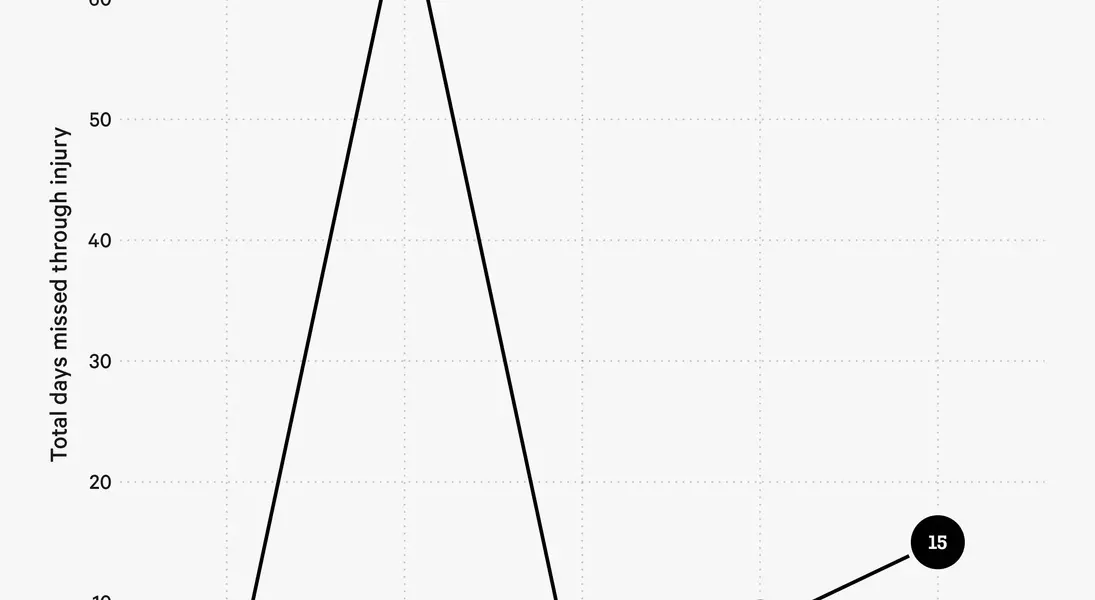
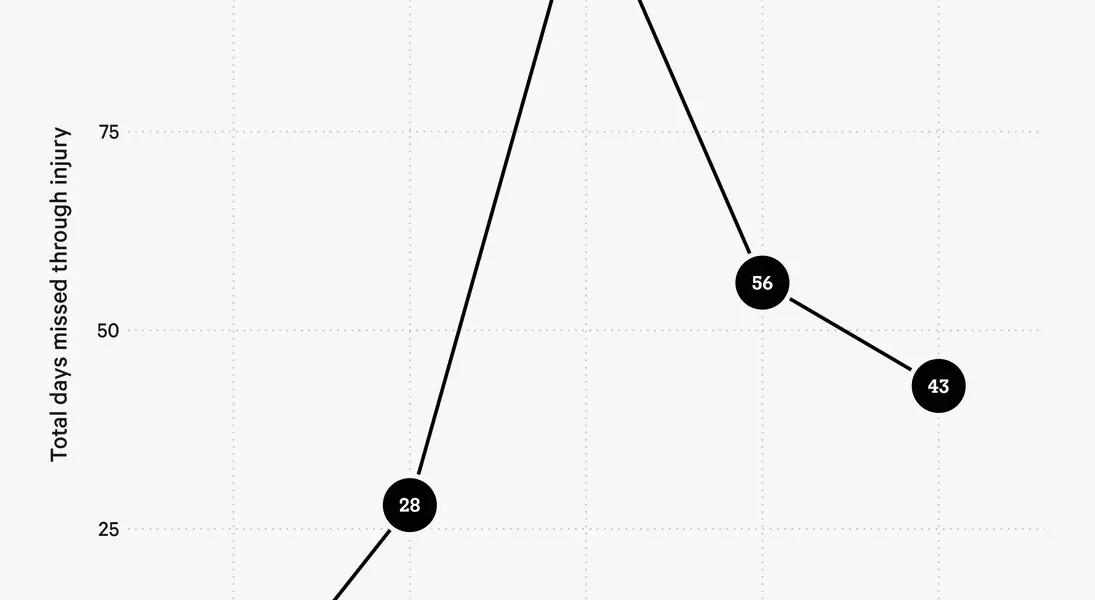
Regarding availability, Isak's career has been punctuated by minor, recurring injuries, including a notable thigh issue in his debut season that sidelined him for 107 days. While Ekitike has had fewer major injury concerns, his comparatively lower playing load means his long-term durability in a more physically demanding league remains to be seen. These injury records add another layer of complexity to Newcastle's decision-making process.
The Strategic Crossroads: Balancing Ambition with Prudence
The situation at Newcastle United offers a fascinating case study in modern football management, highlighting the delicate balance between sporting ambition and financial pragmatism. From a reporter's perspective, this isn't merely a transaction; it's a strategic crossroads that will define Newcastle’s immediate future. The club’s willingness to consider such a significant roster change, even for financial gain, underscores the increasing pressure on football clubs to adhere to financial regulations while remaining competitive. The question isn't just who plays for Newcastle, but what kind of club Newcastle aims to be – a shrewd operator in the transfer market, or a steadfast holder of its most prized assets. The resolution of this dilemma will send a clear message about their priorities and their vision for sustained success in the demanding world of top-tier football.
