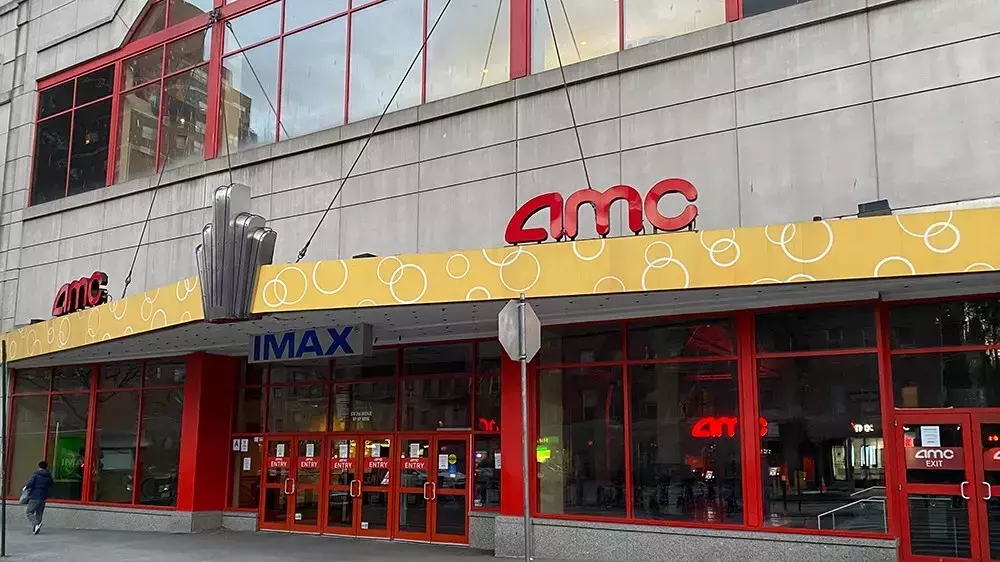
New York City's cinema landscape is set to undergo a notable transformation as the AMC Kips Bay 15, a significant multiplex in Manhattan, is scheduled to cease operations by the close of 2026. This development stems from the property owner's exercise of a contractual right to conclude the theater's lease ahead of its stipulated expiration. The impending closure is particularly poignant for local film enthusiasts who have valued the venue for its extensive cinematic offerings and its impressive IMAX screen, serving as a cherished hub for communal movie experiences.
According to an AMC representative, the Kips Bay location is anticipated to remain functional until the end of 2026. The decision to close is not AMC's but rather a result of the property owner's contractual prerogative. Since its establishment in 1999, and under AMC's management since 2006, the theater has woven itself into the fabric of the Kips Bay community and its adjacent areas, providing a beloved space for residents to immerse themselves in the magic of cinema. Further details regarding the precise closing date are still being finalized, with an official announcement expected in the coming months.
The AMC Kips Bay 15, boasting 15 screens, has been a preferred destination for moviegoers seeking a broad spectrum of films and a premium viewing experience, including its renowned IMAX presentation. Its presence has offered a valuable alternative to the busier AMC locations in Midtown, such as the Empire 25 near Times Square and the 34th Street 14 adjacent to Madison Square Garden. With this closure, Manhattan's remaining AMC venues will include the 19th Street 6, Village 7, Lincoln Square 13, Orpheum 7, 84th Street 6, and the Magic Johnson Harlem 9, reshaping the distribution of cinematic options across the borough.
The departure of AMC Kips Bay will undoubtedly leave a void for many patrons who have fostered a deep connection with the theater over the years. This closure highlights the dynamic nature of urban real estate and its impact on cultural institutions, prompting reflection on the evolving landscape of movie exhibition in major metropolitan areas.
