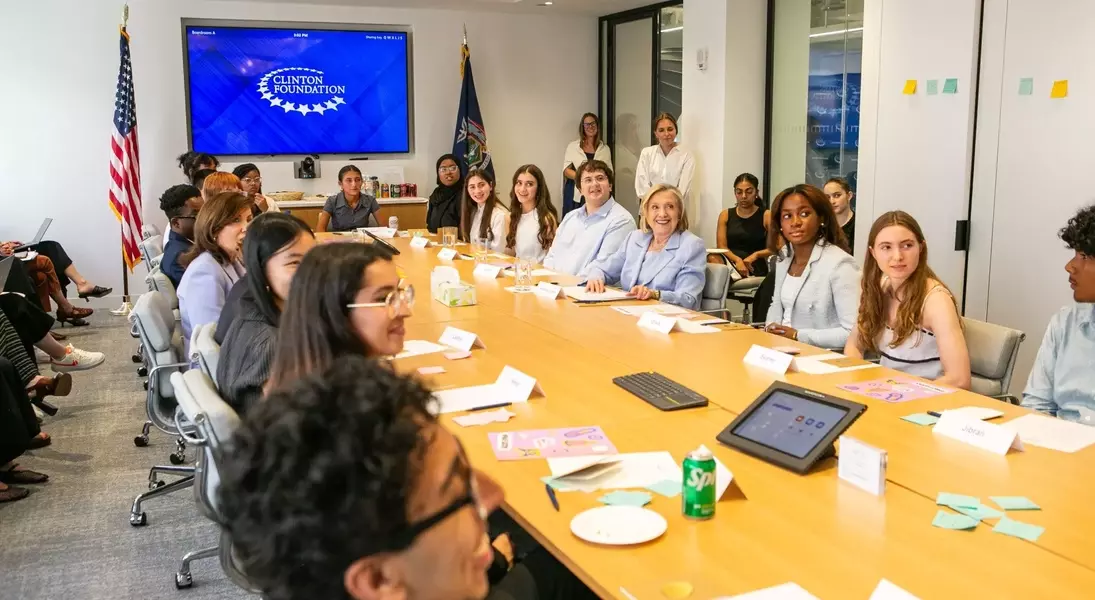

New York State is embarking on an ambitious journey to transform its educational landscape, shifting away from screen-dominated environments in K-12 schools. This significant change, mandated by Governor Kathy Hochul's Distraction Free Schools Initiative, will see personal internet-enabled devices removed from classrooms across the state starting in the 2025-26 academic year. The effort is not merely a top-down directive; it incorporates a revolutionary element: the involvement of young people themselves through the newly established Teen Tech Council. This council is set to play a pivotal role in ensuring the successful and smooth transition to a screen-free educational setting, recognizing that true success hinges on the active participation and insights of students and teachers.
This statewide initiative positions New York at the forefront of a growing national movement towards reducing screen time in schools. The commitment extends beyond policy-making, with substantial financial backing allocated for the necessary infrastructure. Advocates for this change, including prominent figures like former Secretary of State Hillary Clinton, emphasize the urgency of addressing the pervasive influence of technology on youth. The Teen Tech Council, a groundbreaking platform, aims to bridge the gap between policy creators and the daily realities of students, ensuring that the transition fosters a more engaging and productive learning experience, rather than merely imposing restrictions.
Empowering Youth for a Screen-Free Future
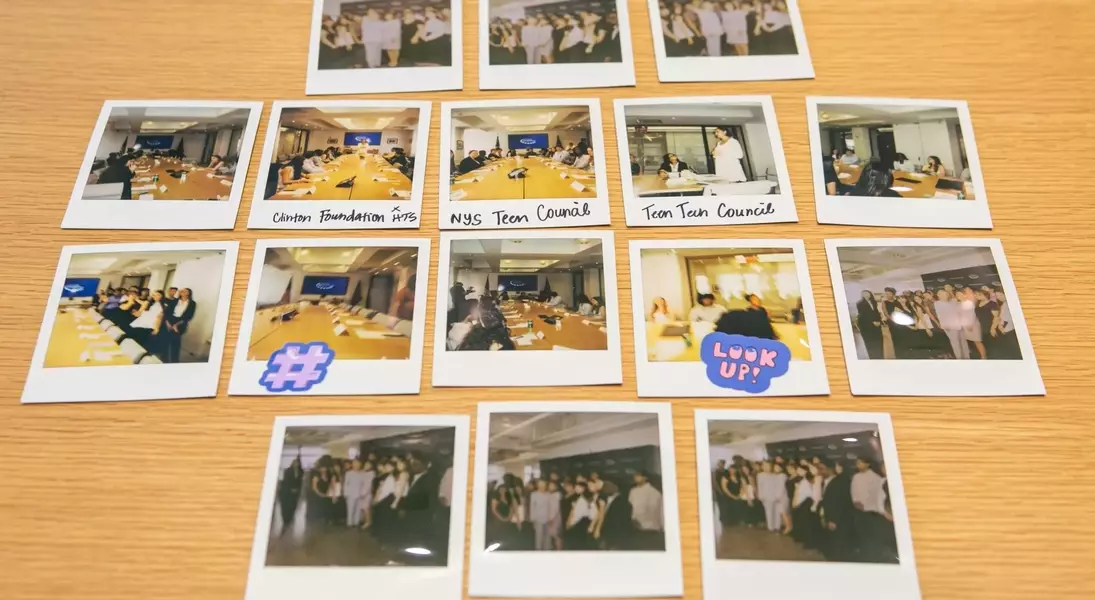
New York's innovative approach to digital wellness in schools introduces the Teen Tech Council, a first-of-its-kind advocacy program that places students at the heart of policy implementation. Instead of imposing regulations from above, this initiative actively involves young digital natives in shaping the future of their learning environments. The council, developed in collaboration with #HalfTheStory, a digital wellness organization, will train and empower teens to become active participants in ensuring the efficacy of phone bans. This direct engagement allows the voices and experiences of students to inform and refine the policies, leading to more practical and widely accepted outcomes. The program seeks to transform the perception of phone-free education from a limitation into an opportunity for greater connection and focus.
The Teen Tech Council will recruit 750 student members, representing every school district in New York, who will act as crucial intermediaries between state objectives and the lived experiences of their peers. These young ambassadors will receive comprehensive training, including guidance on securing grants to support phone-free initiatives and access to resources like #HalfTheStory's Social Media U, which focuses on digital emotional resilience. The collaboration extends to various stakeholders, including tech companies and other state governments, fostering a collective effort to design a healthier digital future. The council's goal is to gather real-time feedback from students, channeling it directly to policymakers, and cultivating a new cultural norm where screen-free engagement is not just a rule but a pathway to enhanced personal and academic well-being. This youth-led approach aims to make the transition adaptable, comfortable, and ultimately beneficial for all students.
A National Movement for Balanced Technology Use
New York's bold step to implement school-wide phone bans aligns with a broader national trend where states are increasingly addressing the impact of technology on young people. With 14 states already having similar bans in place and many others exploring such measures, there's a clear recognition of the need to regulate digital device usage in educational settings. However, a key insight highlighted by proponents of New York's approach is that simply banning phones is insufficient; the success of these policies relies heavily on making the transition appealing and beneficial for students. This involves reframing the conversation from "phone bans" to "screen-free opportunities," emphasizing what students can gain rather than what they might lose. The aim is to bridge the knowledge gap between older policymakers and younger generations who are intimately familiar with technology, enabling them to co-create a more balanced digital landscape.
The push for these policies extends beyond schools, with Governor Hochul and other leaders targeting broader issues like social media algorithms and online marketplaces that impact youth. There's a growing consensus among experts, including the Surgeon General and the American Psychological Association, about the potential negative effects of unchecked social media access and emerging technologies like AI chatbots on adolescent mental health. The enthusiasm of figures like Hillary Clinton for youth involvement underscores the belief that students themselves hold key insights into navigating these challenges. Their active participation, as seen with the Teen Tech Council, is viewed as essential for strengthening nationwide regulatory efforts. This collaborative model, where young voices inform policy, represents a significant shift towards a more holistic and effective strategy for promoting digital well-being among the next generation.
