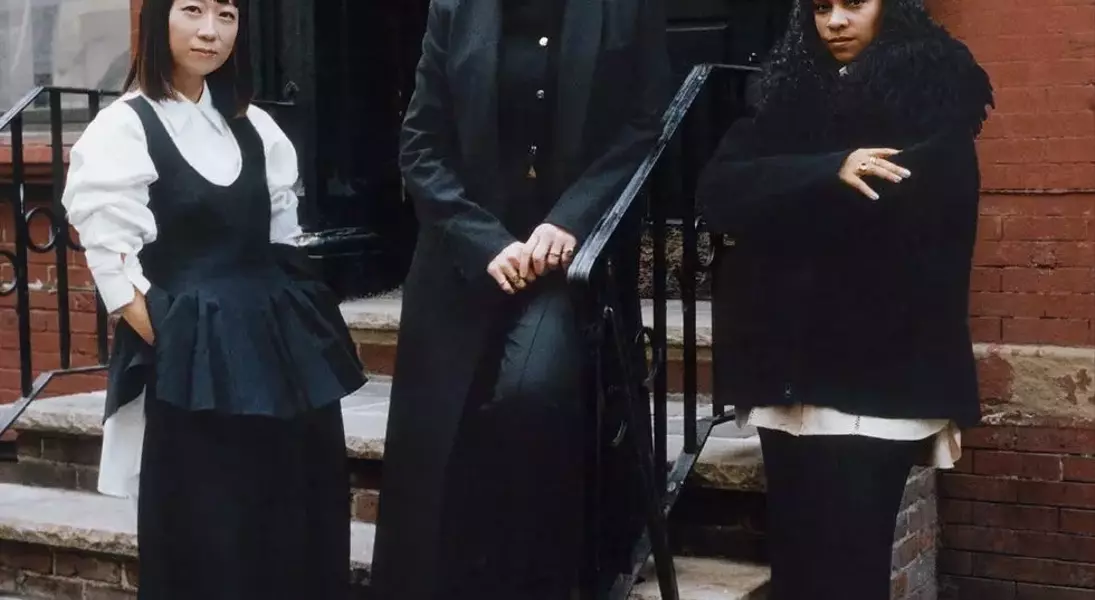
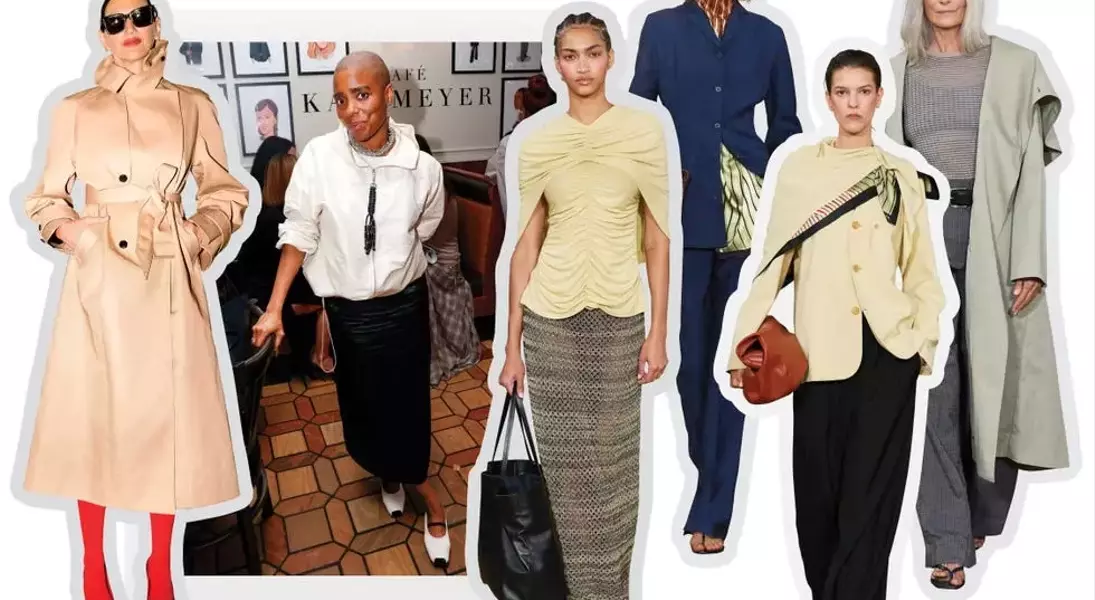
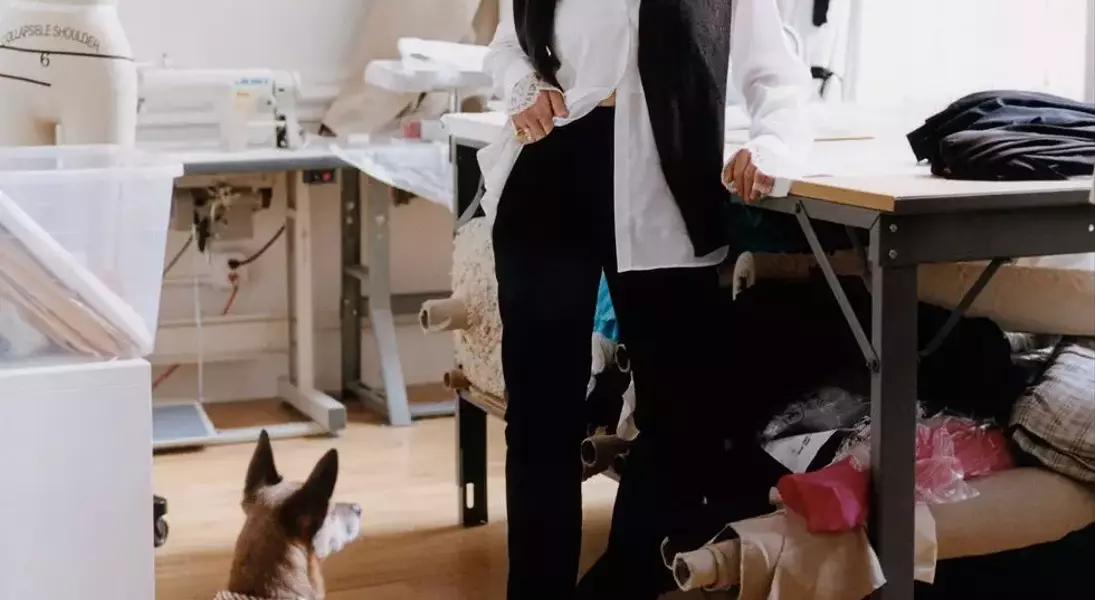
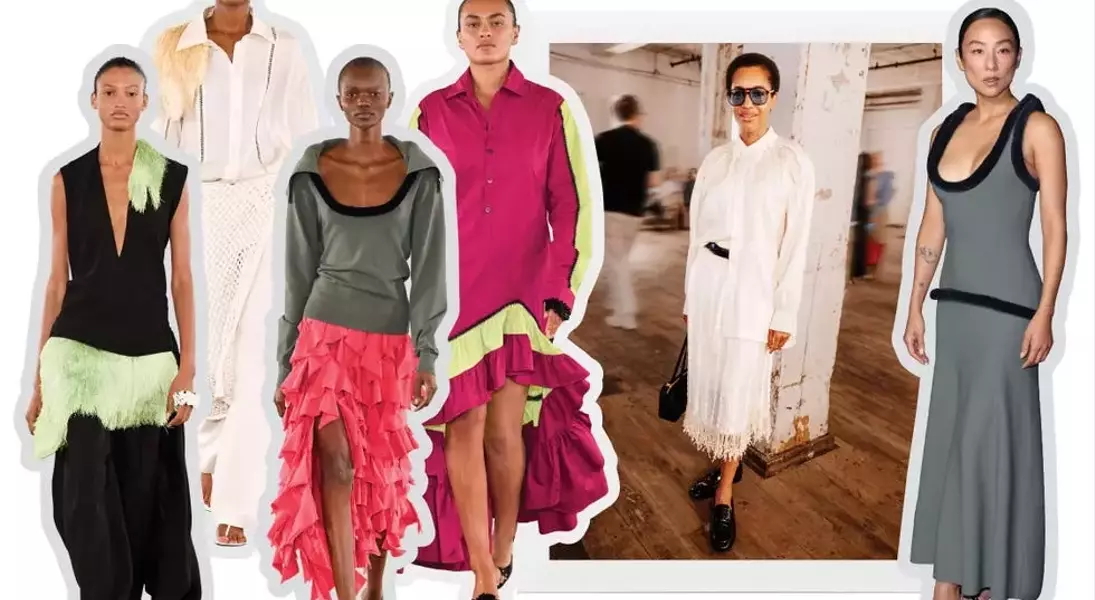
New York’s dynamic fashion landscape is currently being reshaped by a trio of visionary designers – Ashlynn Park, Daniella Kallmeyer, and Rachel Scott – who are collectively redefining contemporary womenswear. Eschewing the ephemeral trends of high fashion, these creators are championing an ethos rooted in real-life wearability, individual expression, and meticulous craftsmanship. Their independent labels, Ashlyn, Kallmeyer, and Diotima, are gaining significant traction, proving that clothing designed with empathy and an understanding of women's diverse needs can be both commercially successful and critically acclaimed. This movement marks a refreshing shift, emphasizing authentic design over fleeting spectacle and celebrating garments that empower women to feel their most confident and genuine selves.
New York's Visionary Designers: Crafting Clothes for the Modern Woman
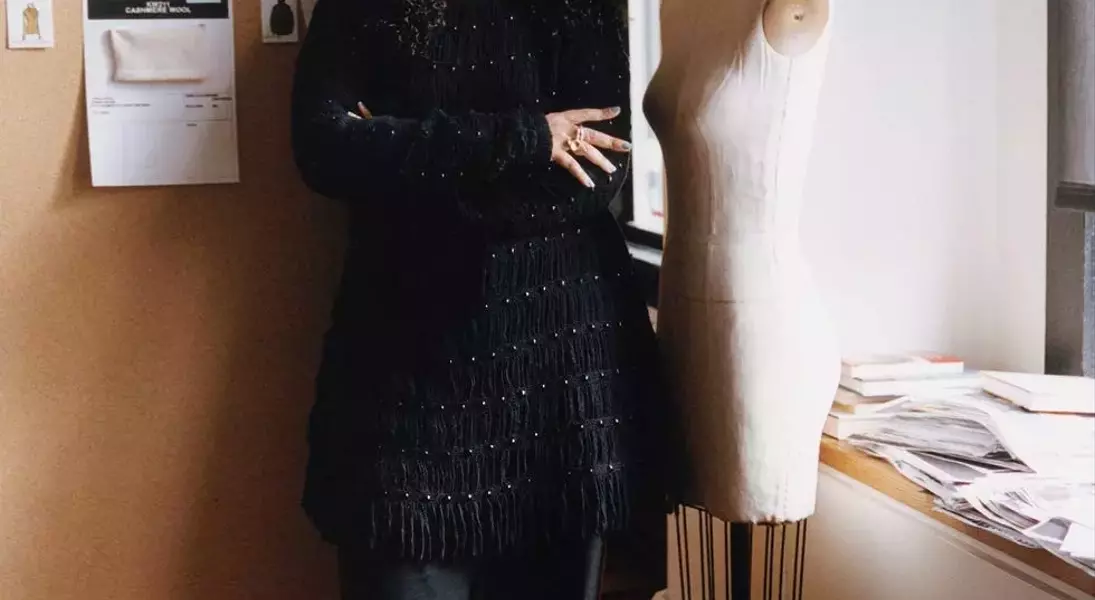
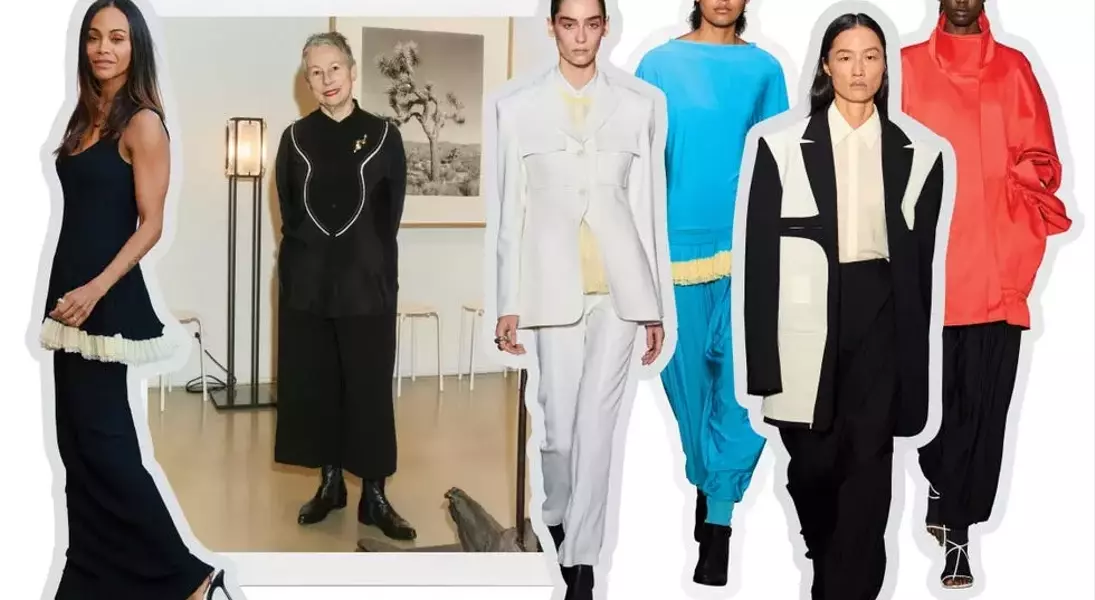
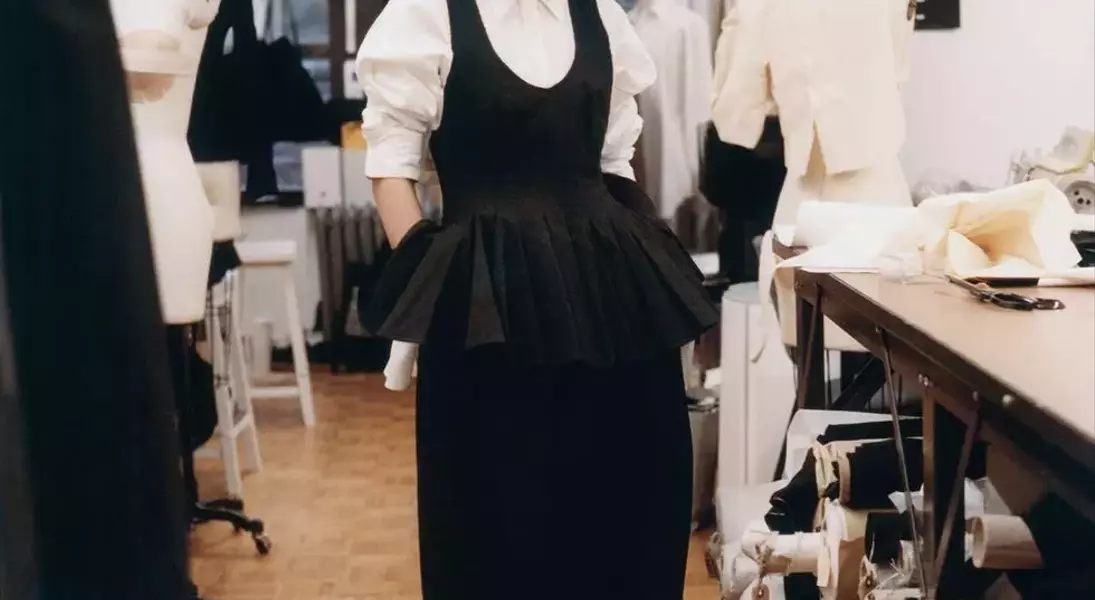
In December, gallerist Cristina Grajales, a devoted patron of Ashlynn Park's designs, chose a distinct black wool jacket from the Ashlyn collection for a Design Miami event. Park, who founded her New York-based label Ashlyn in 2020, is celebrated for her sculptural forms, featuring soft peplums, voluminous pants, and elegantly curved outerwear. Having honed her skills under legendary figures such as Yohji Yamamoto, Raf Simons, and Alexander Wang, Park embarked on her own venture with a clear mission: to create high-quality, wearable fashion that resonates with a woman's true self. A mother of two, Park imbues her collections with personal emotion and a 'lightness' that contrasts with her earlier, heavier aesthetic. Her commitment to creating flattering, conversation-starting pieces for various body types has garnered significant recognition. In November, she received the American Emerging Designer of the Year award at the CFDA Fashion Awards and was subsequently honored with the CFDA/Vogue Fashion Fund prize. Grajales' Tribeca gallery has even hosted Park's early runway presentations, a testament to their collaborative spirit and shared vision.
While New York often faces criticism for its commercially-driven fashion, industry leaders like Moda Operandi president April Hennig argue that designing clothes women genuinely desire and wear is a strength, not a flaw. Ashlyn, alongside Rachel Scott's Diotima and Daniella Kallmeyer's Kallmeyer, exemplify this philosophy. These labels are not merely reinterpreting historical fashion codes; they are intuitively crafting wardrobes based on their own experiences and those of the women around them, resulting in designs that possess a universal appeal through their specificity.
Jenna Lyons, a fashion icon known for her transformative work at J.Crew, frequently opts for Kallmeyer's trenches and separates. She admires Daniella Kallmeyer's restrained aesthetic, which allows her to feel authentic and avoid the sensation of wearing a costume. Kallmeyer, who launched her line of wardrobe essentials in 2012, designs from a deeply personal place, informed by her identity as a queer woman. Her pieces empower women to feel strong, sexy, and in ownership of their bodies, whether in a dress or a suit. A boutique opened in the Lower East Side in 2019 has allowed Kallmeyer to observe her customers firsthand, inspiring practical innovations like perfectly thin turtlenecks designed for layering.
American sportswear, a tradition dating back to the 1930s with pioneers like Bonnie Cashin and Claire McCardell, has always prioritized ease and practicality without sacrificing style. Modern designers like Maria Cornejo and Rachel Comey further evolved this tradition, creating collections that felt personal rather than prescriptive. Sherri McMullen, founder of San Francisco's McMullen boutique, highlights this shift, noting that women seek clothes that make them feel good, not confined by rigid fashion dictates. McMullen discovered Diotima through designer Christopher John Rogers in early 2021. Rachel Scott, the Jamaican designer behind Diotima, creates smart yet sensual pieces featuring intricate crochet work, relaxed tailoring, and subtle embellishments. Scott, who believes women can embody both eroticism and intellectualism simultaneously, designs garments that are "buttoned up and then kind of undone." This refreshing perspective quickly made Diotima one of McMullen's top-selling brands. Scott's talent has since been recognized with the CFDA's 2024 American Womenswear Designer of the Year award and the Fashion Trust U.S.'s 2025 Ready-to-Wear Award. In a significant career move, she was also named Proenza Schouler's creative director in September, succeeding Jack McCollough and Lazaro Hernandez. Having worked with Rachel Comey for seven years, Scott feels a profound responsibility to provide for women's needs and desires while offering unexpected experiences through her designs, creating interesting uniforms for them to navigate their lives.
As consultant Anja Tyson, a collector of both Ashlyn and Diotima, aptly observes, these brands design for individuals with rich, full lives, rather than for specific body shapes. This human-centric approach inherently empowers wearers, fostering confidence and a sense of self. Annie Jean-Baptiste, a best-selling author and director of universal product development at Google, encapsulates this sentiment, stating that wearing Diotima's garments makes her feel powerful, confident, and graceful, allowing her to focus on life's more important aspects.
The current wave of New York designers—Ashlynn Park, Daniella Kallmeyer, and Rachel Scott—exemplifies a powerful return to purposeful design. Their work transcends fleeting trends, demonstrating that true innovation lies in creating clothing that genuinely serves and empowers women in their everyday lives. By prioritizing wearability, comfort, and authenticity, they not only challenge traditional fashion narratives but also forge deeper connections with their customers, proving that empathy and personal expression are the ultimate measures of sartorial success. This movement offers a compelling blueprint for the future of fashion, where clothes are not just worn, but lived in and loved.
