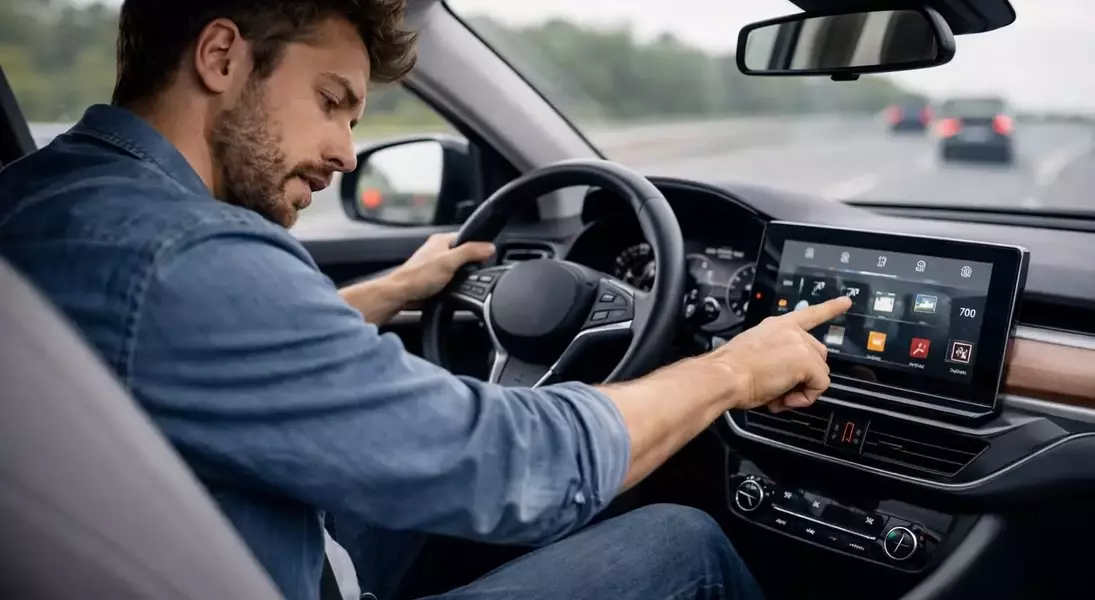
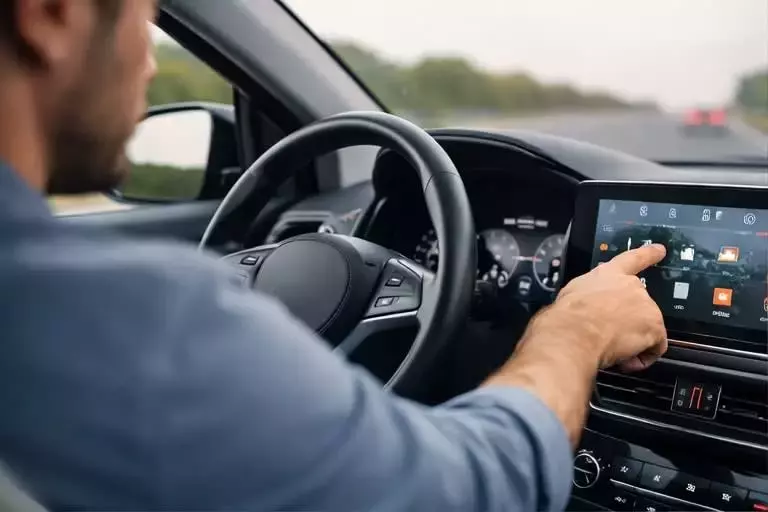
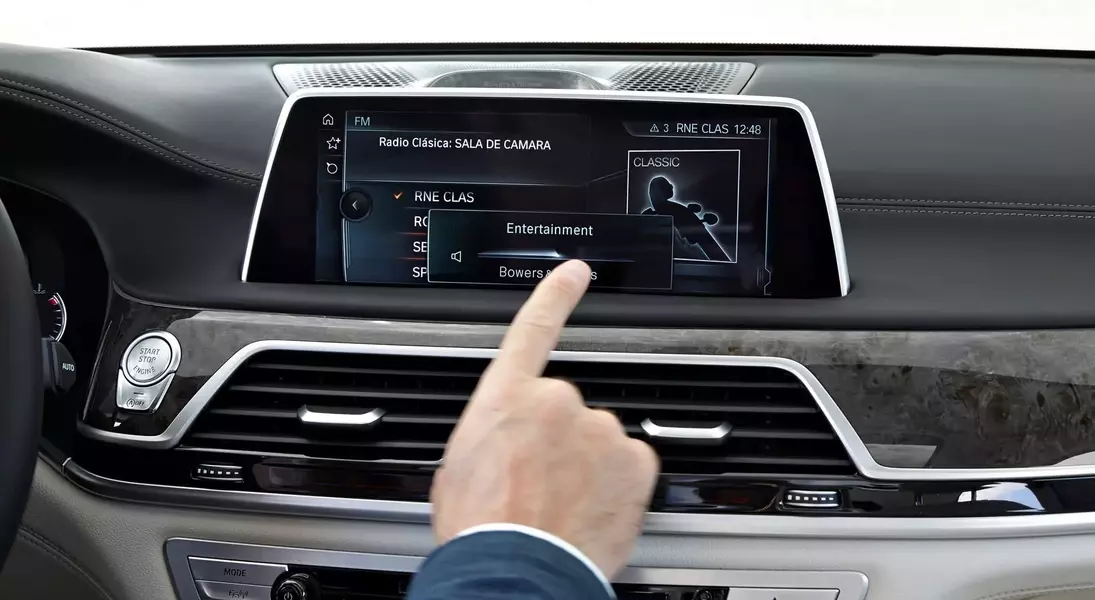
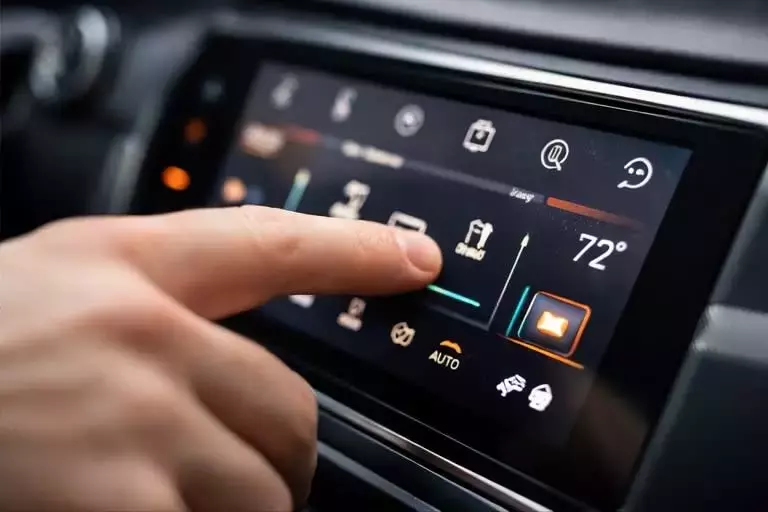
A groundbreaking study has unveiled concerning evidence regarding the impact of in-car touchscreens on driver performance, indicating a significant decrease in focus and control. This research, presented at a prominent symposium, directly challenges the widespread adoption of screen-only interfaces in modern vehicles. It suggests that while aesthetically pleasing, these systems introduce considerable cognitive load and distractions, potentially compromising road safety. The findings advocate for a re-evaluation of automotive interior design, emphasizing the need to integrate physical controls alongside digital interfaces to ensure a safer and more intuitive driving experience.
The comprehensive investigation, a collaborative effort between the University of Washington and the Toyota Research Institute, sought to quantify the precise effects of touchscreen interaction on drivers. Utilizing a sophisticated driving simulator equipped with a 12-inch touchscreen, researchers meticulously monitored various physiological and behavioral metrics in 16 volunteers. These included pupil dilation and electrodermal activity, which serve as reliable indicators of cognitive strain, alongside precise tracking of eye movements and hand gestures. Participants were tasked with performing common in-car functions while simultaneously undertaking a simple memory test, simulating real-world multitasking scenarios encountered during driving.
The results of this carefully designed experiment painted a clear picture: drivers experienced a substantial decline in their ability to maintain vehicle control when interacting with touchscreens. Specifically, participants demonstrated a 42% increase in lane drifting during touchscreen tasks. Furthermore, their glances at the screen were 26.3% shorter when under high cognitive load, suggesting a desperate attempt to minimize distraction despite the inherent difficulty. The study also recorded a 58% reduction in the speed and accuracy of touchscreen operation while driving, with an additional 17% drop under heightened cognitive pressure. Remarkably, even enlarging the target areas on the screens did not lead to any notable improvements in driver performance or accuracy.
These compelling findings underscore that touchscreen interfaces demand a far greater cognitive and visual investment from drivers compared to traditional physical controls. This presents a formidable challenge for the automotive industry, which has increasingly favored the sleek aesthetics and perceived versatility of digital displays over the past decade. As screens are undoubtedly here to stay, the imperative is to strike a balance between advanced technology and real-world safety considerations. The integration of haptic feedback, intuitive layouts, and, crucially, the reintroduction of physical buttons and knobs for frequently accessed functions, could offer a viable path forward.
A deeper understanding of how drivers interact with emerging technologies and interfaces, and the subsequent impact on their attention and vehicle control, will be paramount in fostering enhanced road safety in the coming years. Automotive designers and engineers must prioritize user experience and safety, ensuring that technological advancements in vehicle interiors do not inadvertently create new hazards on the road. The future of automotive design lies in intelligently blending digital innovation with ergonomic and safety-conscious principles, moving beyond purely aesthetic considerations to create truly driver-centric and secure environments.
