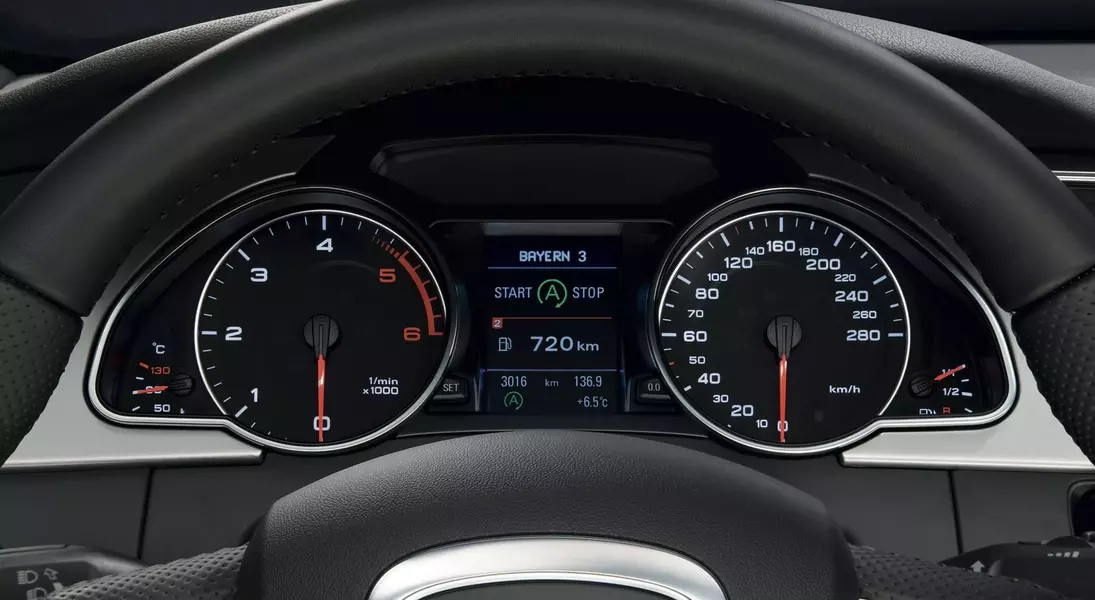

Automotive start-stop systems, which automatically power down a vehicle's engine when it's stationary to save fuel, are facing potential new regulations from the Environmental Protection Agency. This technology, present in most modern gasoline cars, aims to reduce idling and improve efficiency. Despite its environmental benefits, many drivers find these systems disruptive, citing delayed engine restarts and concerns about long-term wear. The EPA's administrator has suggested upcoming changes, which could range from stricter oversight to an outright prohibition of the technology.
These start-stop mechanisms operate by turning off the engine when the car is halted, such as at a traffic light, and restarting it upon accelerator pedal engagement or gear selection. While never a mandatory feature, the EPA has historically encouraged their adoption through 'off-cycle credits' for fuel-saving innovations not fully accounted for in standard economy tests. The agency's official stance still acknowledges a 4-5% fuel economy improvement from these systems. However, administrator Lee Zeldin has openly criticized the technology, promising a resolution. The impending announcement could include mandates for easier deactivation, removal of current incentives, or even a complete ban, reflecting a divergence from past environmental strategies under the current administration.
The debate surrounding automatic start-stop systems highlights a tension between environmental objectives and driver preferences. While the technology offers quantifiable fuel savings, the user experience and potential maintenance concerns have fueled public discontent. The EPA's anticipated policy shift underscores the dynamic nature of automotive regulations and the ongoing effort to balance fuel efficiency with consumer satisfaction, challenging conventional approaches to environmental protection in the automotive sector.
This evolving regulatory landscape for start-stop technology exemplifies the continuous pursuit of innovation and efficiency within the automotive industry, while also navigating the practicalities of public acceptance and policy. It encourages a forward-thinking approach to technological integration, ensuring that advancements not only meet environmental standards but also enhance the driving experience for all.
