
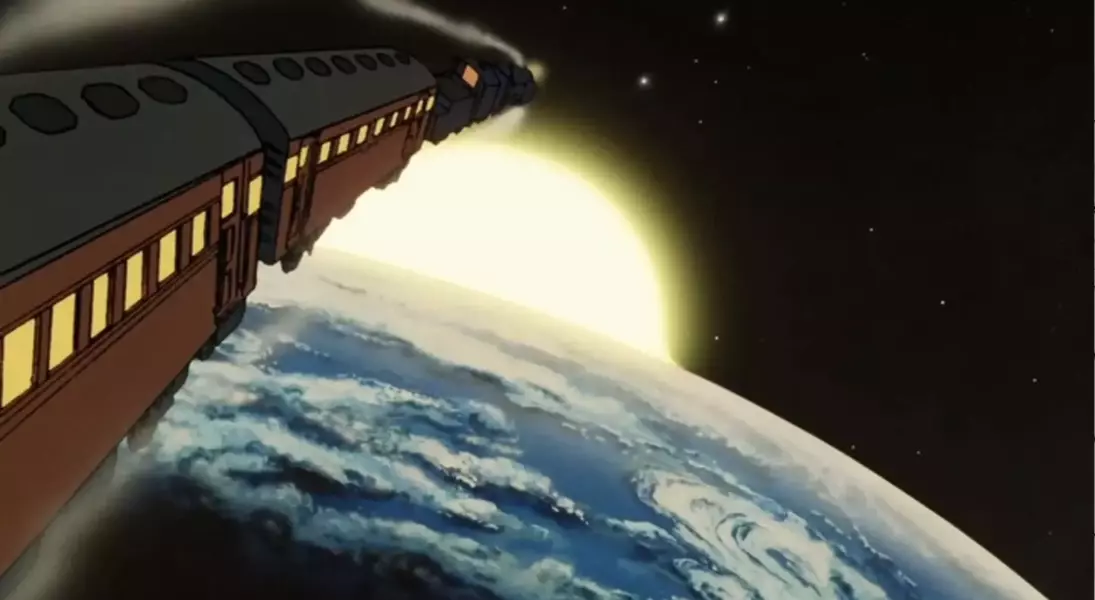
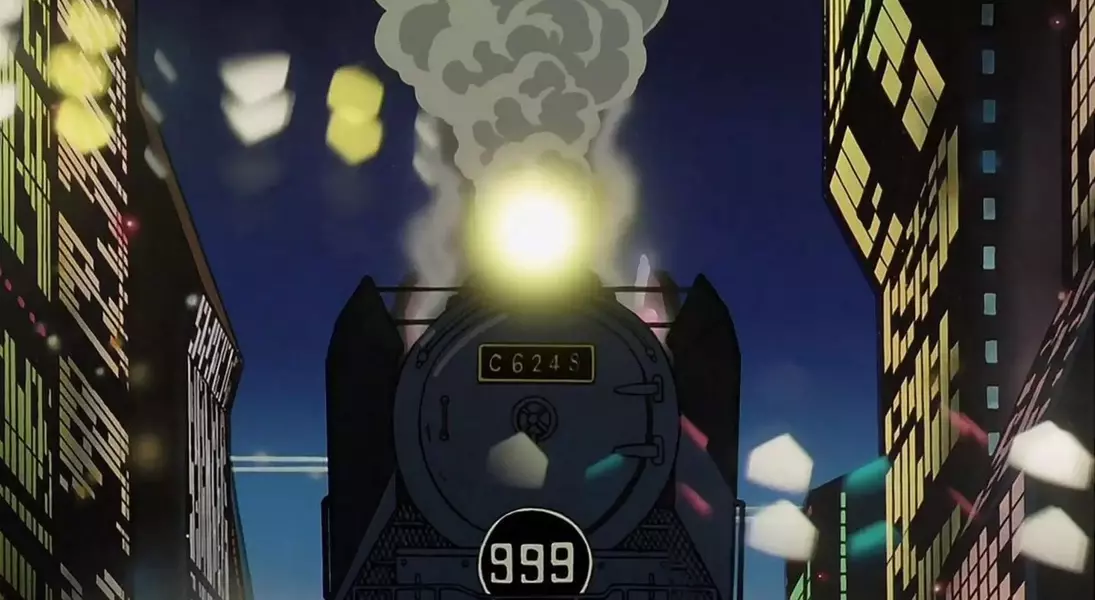
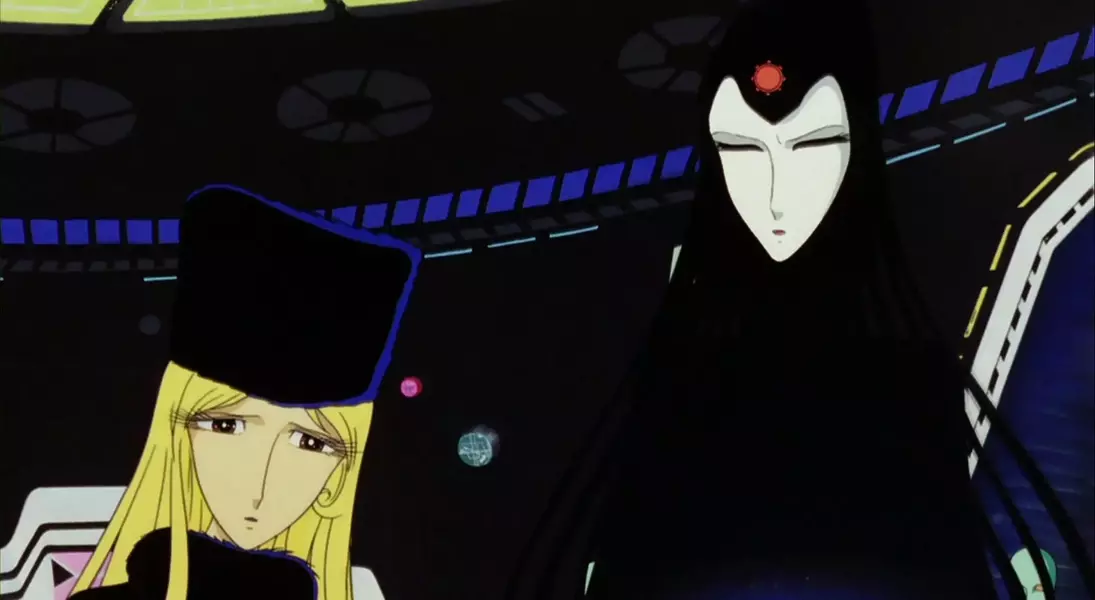
Nearly fifty years after its initial cosmic journey, the influential anime series Galaxy Express 999 is set for a monumental return to the big screen. This revival promises to reintroduce audiences to a universe rich with themes of youth, solitude, bereavement, and the perpetual quest for purpose.
The Resurgence of a Space Saga: Galaxy Express 999
In a significant announcement made in July via the late Leiji Matsumoto's official social media channel, a new cinematic adaptation of Galaxy Express 999 was unveiled. Toei Animation, the studio responsible for the original 1978 production, is once again at the helm, with renowned director Rintaro—who guided the critically acclaimed 1979 film—contributing to the narrative's conceptualization. This news comes on the heels of the 45th-annanniversary theatrical re-release of its sequel, Adieu Galaxy Express 999, scheduled to begin in Japan in December.
Makiko Matsumoto, the esteemed daughter of the legendary mangaka and current director of Leijisha, shared an emotional statement commemorating this event. She conveyed her father's long-held ambition for this continuation, describing the project as an extension of the cosmic voyage he initiated decades ago. Matsumoto highlighted her father's lifelong aspiration to create animated films, affirming that his enduring passion for traversing the vast galactic railways will persist eternally.
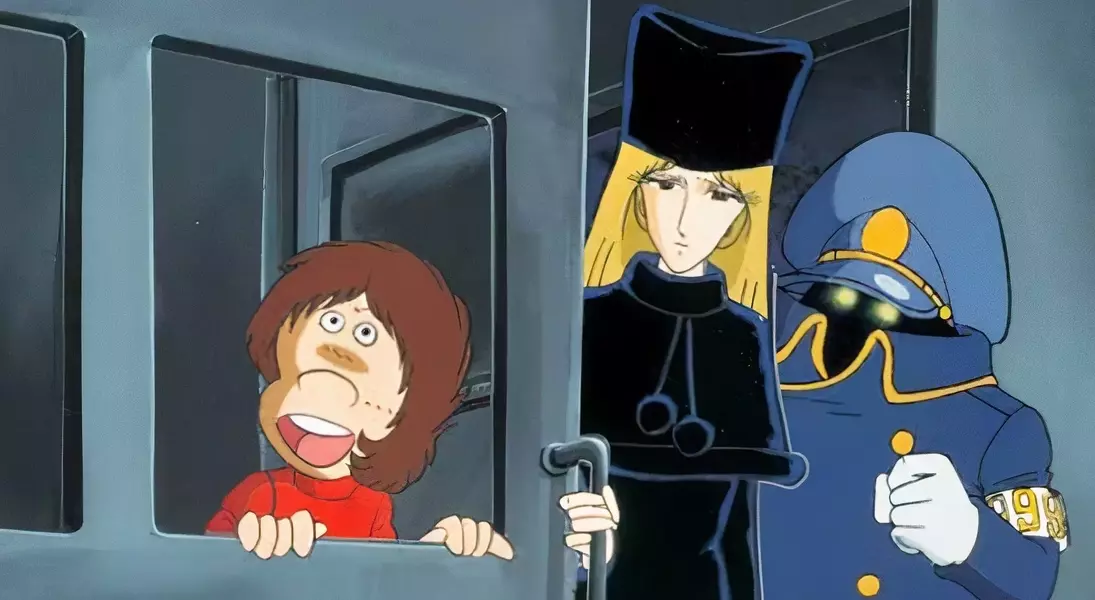
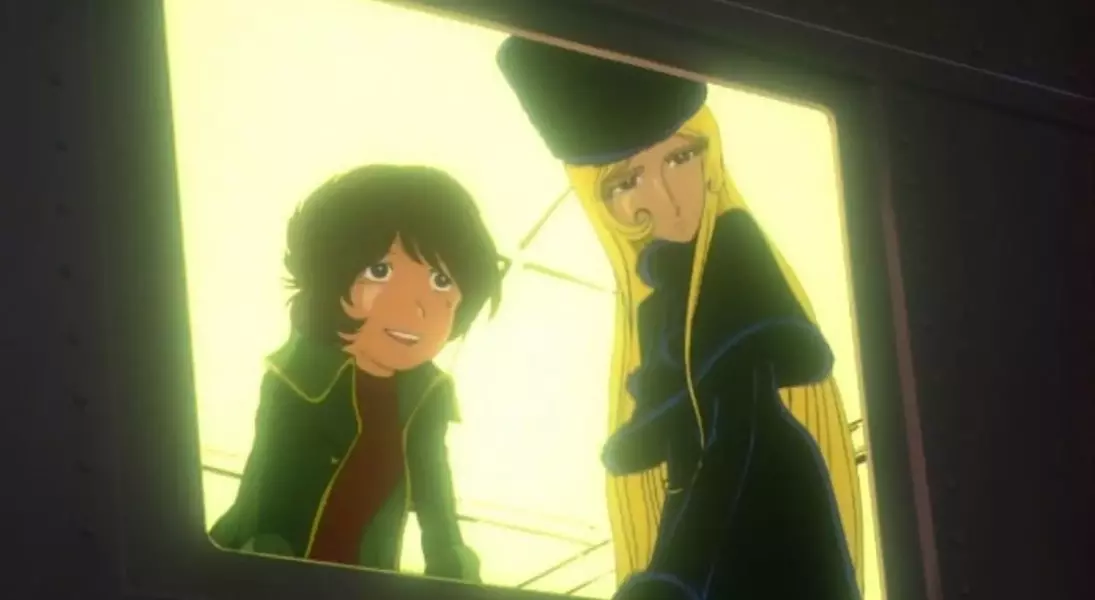
For devoted enthusiasts, this development underscores Galaxy Express 999's lasting legacy as a pivotal work in anime history. The narrative delves into the human condition within a transhumanist future, where young Tetsuro Hoshino embarks on a journey aboard the mythical Galaxy Express 999, seeking a mechanical body to achieve immortality after experiencing profound loss. Accompanied by the enigmatic Maetel, Tetsuro's travels expose him to diverse worlds and poignant experiences, compelling him to confront fundamental questions about desire, sacrifice, and the essence of perfection.
Matsumoto's work distinguished itself by prioritizing the emotional depth of the journey over mere spectacle, a unique approach that set it apart from contemporary space adventures. The original manga, serialized in 1977, became one of his most celebrated creations, influencing subsequent generations of science fiction anime with its blend of speculative elements and profound personal narratives. The 1979 theatrical film remains a quintessential entry point into the series, masterfully condensing its expansive story into a visually stunning experience marked by dreamlike artistry, memorable characters, and an unparalleled sense of cosmic desolation. Director Rintaro’s emphasis on visual storytelling was instrumental in cementing the film's status, a philosophy that would later define his distinguished career in animation.
The enduring appeal of Galaxy Express 999 lies not only in its status as a pioneering space opera but also in its timeless philosophical inquiries. It challenges perceptions of humanity, the value of prolonged existence, and the arduous process of moving forward while leaving behind formative people and places. These universal themes have resonated through countless science fiction narratives, from blockbuster franchises to introspective anime, always delivered with Matsumoto's characteristic blend of wonder and melancholy. His universe, though boundless, consistently centered on the human search for connection amidst the void.
With a new film on the horizon, slated to unfold over several years, Galaxy Express 999 once again extends an invitation to audiences. It offers long-standing fans a cherished reunion with a beloved world, and newcomers an opportunity to discover a masterpiece that significantly shaped the landscape of anime.
