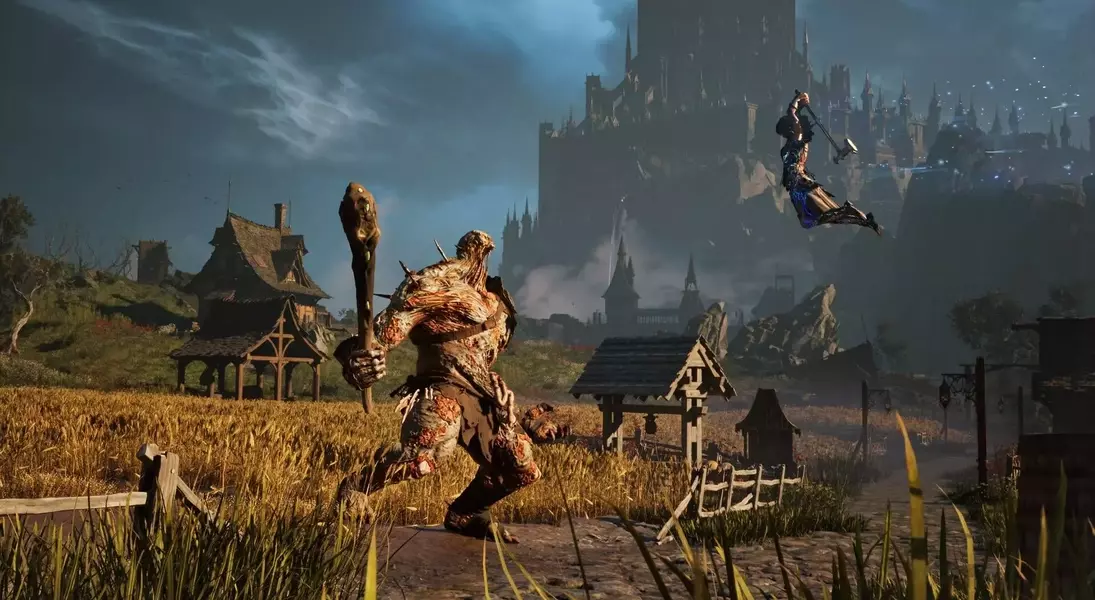
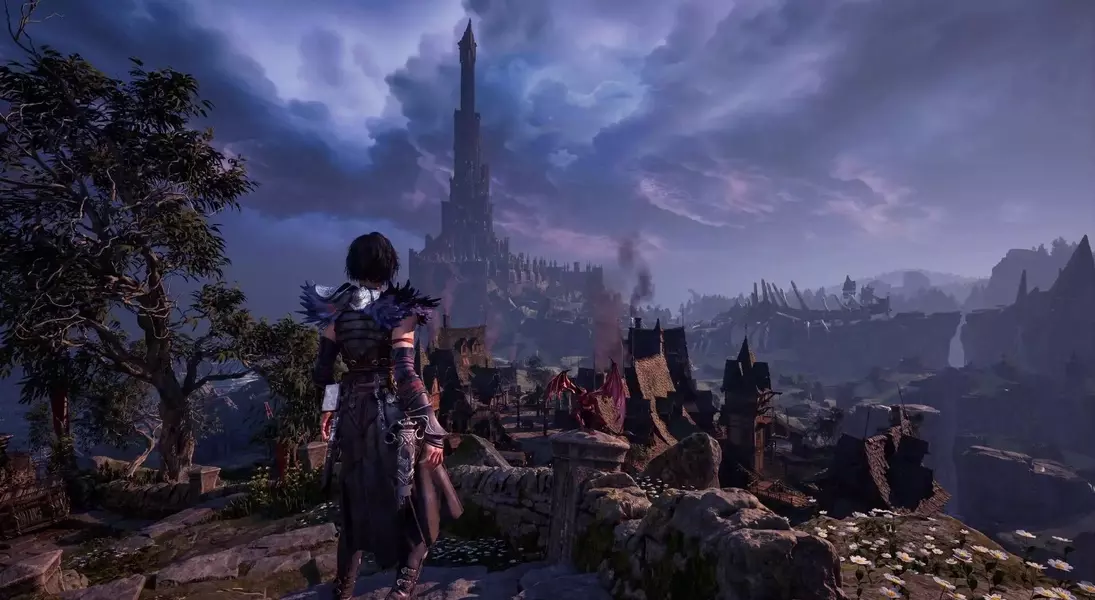
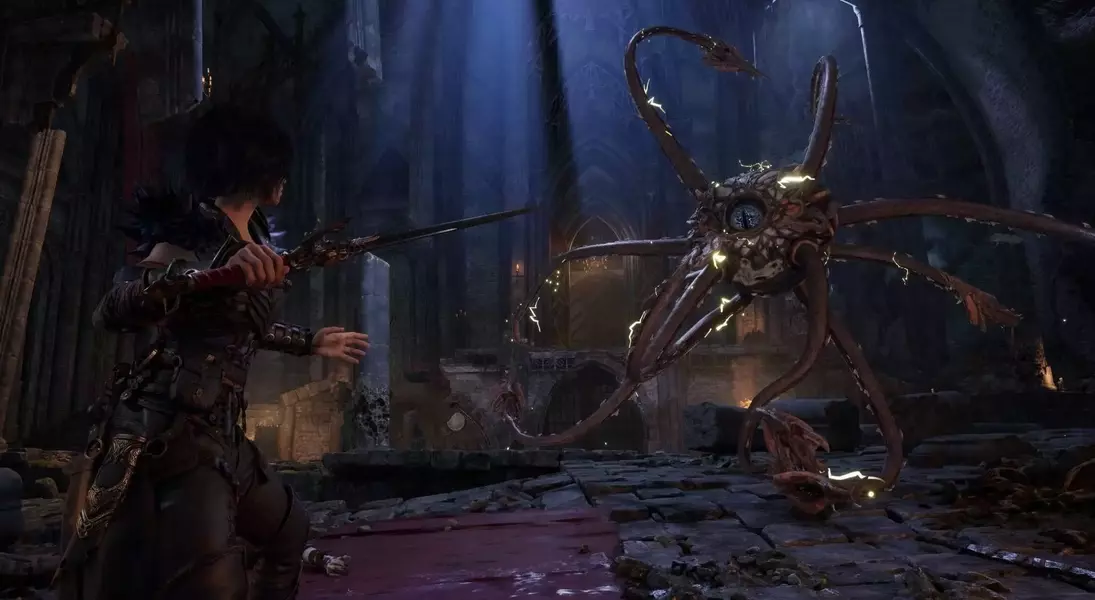
Invoke Studios and Wizards of the Coast are preparing to launch a new Dungeons & Dragons video game, 'Warlock,' which promises a different take on the open-world RPG genre. Unlike many modern titles that boast hundreds of hours of gameplay, 'Warlock' aims for a more focused and engaging experience. This strategic decision by the developers suggests a move away from the often-criticized 'bloat' of expansive open-world environments, prioritizing quality and density over sheer size. The game's design, as revealed by studio head Dominic Guay, focuses on providing a rich, rewarding adventure that respects players' time while still offering substantial content. This could be a refreshing change for gamers weary of endlessly long campaigns that sometimes sacrifice narrative depth and engagement for scale.
'Warlock' to Offer a Curated D&D Adventure at Gamescom 2026
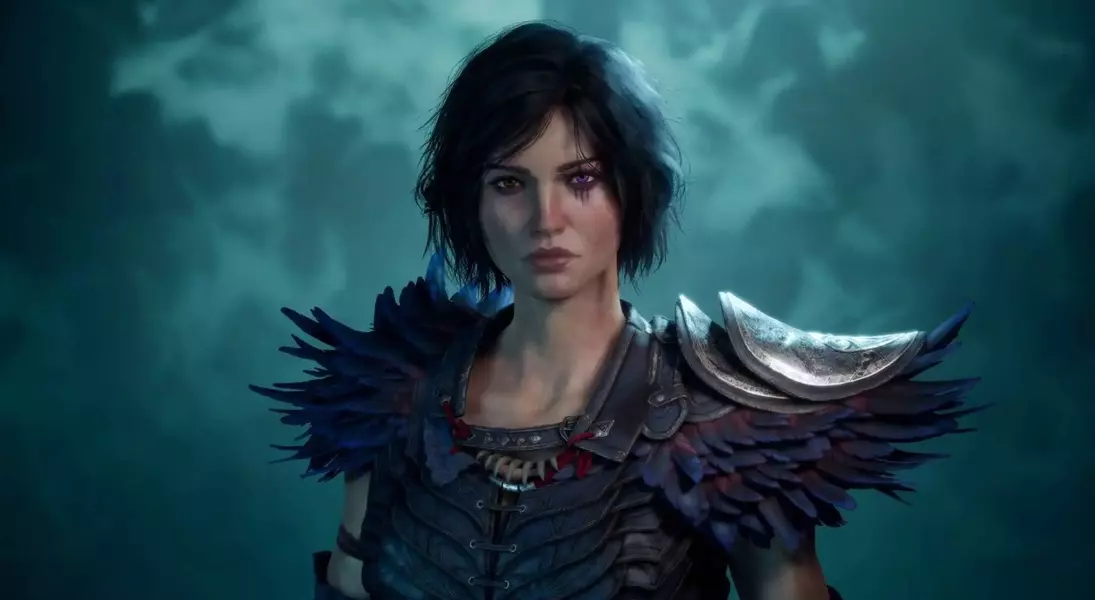
At the prestigious Gamescom event in 2026, a private demonstration of 'Warlock' provided a glimpse into its gameplay. The protagonist, a young woman named Kaatri, was observed navigating the village of Crickshank, where a seemingly minor interaction with a beggar led her to an intricate subterranean network. This sequence highlighted the game's emphasis on organic discovery and emergent storytelling. Despite the apparent depth of this optional content, Dominic Guay, the studio head, clarified that 'Warlock' would not conform to the typical 100-plus hour RPG model. Guay elaborated on this design philosophy, stating, "It's going to be longer than what you'd expect from a more linear game for sure, but it's not gigantic like some open worlds that are hundreds and hundreds of hours." He further explained that the goal is a "denser open world, where you're more quickly rewarded by finding things when you explore." This approach, reminiscent of discussions around the new 'Fable' game, aims to minimize the tedious travel often found in vast open worlds, ensuring that exploration feels consistently meaningful. Guay assured players of "tens and tens of hours" of gameplay, noting that the overall duration would depend on individual playstyles—whether players prioritize the main narrative or delve into extensive exploration to gain power. Crucially, enemies in 'Warlock' will not scale with the player, meaning that rushing through the main story might lead to encounters with insurmountable foes, thereby subtly encouraging exploration and character development without forcing it. This design choice stands in contrast to 'Baldur's Gate 3,' which can demand over 180 hours for a complete playthrough, and traditional D&D campaigns that can span years. 'Warlock' seeks to offer a robust D&D experience that is both substantial and respectful of a player's commitment, a welcome prospect in an era of increasingly time-intensive video games like the anticipated 'Grand Theft Auto 6' with its 80-plus hour story.
In a gaming landscape often dominated by sprawling epics that demand hundreds of hours, 'Warlock's' decision to offer a more concentrated open-world experience is a noteworthy and potentially positive shift. This approach demonstrates a commitment to quality over quantity, suggesting that a game can be deeply immersive and rewarding without requiring an inordinate amount of time. It challenges the notion that longer games are inherently better, instead advocating for a richer, more efficient narrative and exploration loop. For players with limited time or those who feel overwhelmed by the sheer scale of modern RPGs, 'Warlock' could represent a refreshing and much-needed alternative, proving that a well-crafted, dense experience can be just as, if not more, impactful than an endlessly expansive one. This could set a new precedent for how open-world games are designed, fostering a trend towards more deliberate and player-friendly content structures.
