
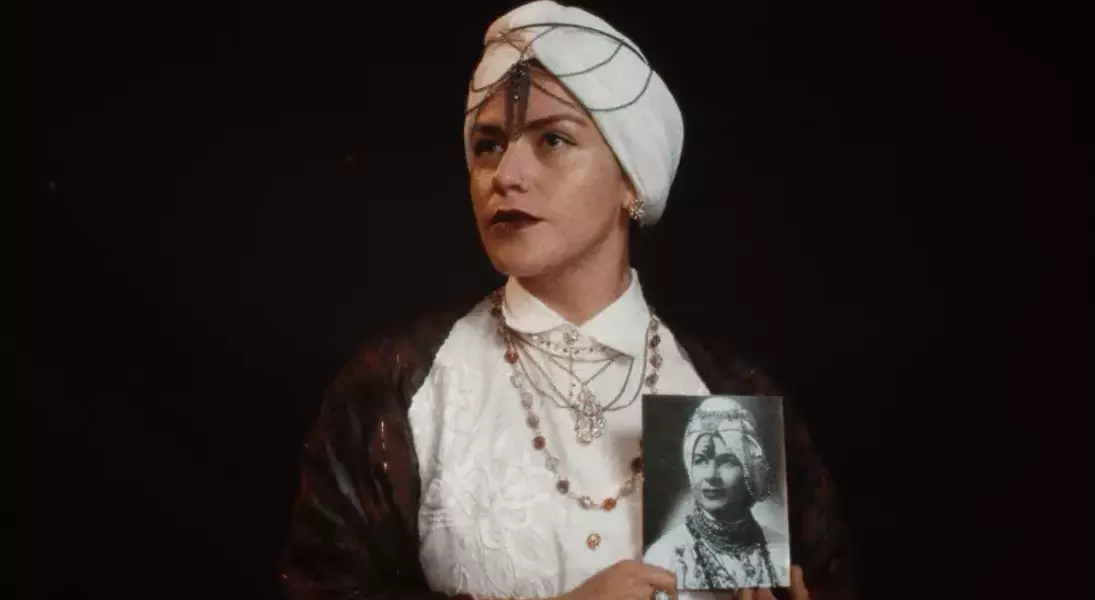
Natalia Solórzano Vásquez's forthcoming documentary, "Spells to Revive a Witch," has secured significant international backing, with Spain's Testaferro and Uruguay's Guay Films joining the production. This hybrid film, produced by Sputnik Films, an entity recognized for its Cannes-selected projects, is slated for presentation at the Costa Rica Media Market. The film aims to resurrect the story of Soralla de Persia, a prominent Costa Rican fortune teller whose impact had largely faded from public memory.
The documentary explores the concept of memory and its fragility, especially concerning historical female figures whose contributions may have been overlooked or forgotten. Through creative storytelling and a feminist perspective, the film seeks to not only honor Soralla de Persia's legacy but also to reflect on the broader theme of women's roles and their societal perceptions. The project stands as a testament to the vibrant and diverse voices emerging from the Costa Rican filmmaking community, challenging conventional narratives and embracing innovative cinematic expressions.
“Spells to Revive a Witch” Gains International Support
Natalia Solórzano Vásquez's groundbreaking hybrid documentary, "Spells to Revive a Witch," has successfully attracted new international collaborators, with Spain's Testaferro and Uruguay's Guay Films now officially onboard. This significant development marks a crucial step for the film, which is being brought to life by Sputnik Films, a production company with a notable track record, including the Cannes-selected "Land of Ashes." The project's participation in the upcoming Costa Rica Media Market underscores its growing international appeal and the anticipation surrounding its unique narrative. The film's objective is to shine a light on the life of Soralla de Persia, a once-famous Costa Rican fortune teller from the 1960s, whose story has largely been lost to time. This collaboration highlights a shared vision to bring compelling and culturally rich stories to a global audience, leveraging diverse talents and resources.
The involvement of Testaferro and Guay Films signals a robust vote of confidence in Solórzano Vásquez's directorial vision and the thematic depth of "Spells to Revive a Witch." Sputnik Films, already acclaimed for its prior successes, continues to champion projects that offer fresh perspectives and explore complex human experiences. The documentary's innovative approach aims to blend various cinematic styles to vividly portray Soralla de Persia's mystical world and her significant, yet overlooked, presence in Costa Rican society. As the film progresses towards its debut at the Costa Rica Media Market, the collective expertise of these international partners is expected to significantly enhance its production value and global reach, ensuring that Soralla de Persia's fascinating story is told with the nuance and impact it deserves, ultimately enriching the global cinematic landscape with a powerful narrative from Latin America.
Resurrecting a Forgotten Legacy and Challenging Societal Norms
The core of "Spells to Revive a Witch" lies in its ambition to resurrect the forgotten legacy of Soralla de Persia, a mythical fortune teller who captivated Costa Rica in the 1960s. Director Natalia Solórzano Vásquez stumbled upon Soralla's story by chance, noticing her conspicuous absence from contemporary memory despite her past prominence. This discovery sparked a profound inquiry into the mechanisms by which certain women's narratives are preserved or, conversely, allowed to fade from collective consciousness. Solórzano Vásquez views Soralla as a symbol of female reinvention and the societal costs often paid by women who dare to defy traditional gender roles. The film, therefore, becomes a platform to explore not only Soralla's personal journey but also the broader implications for women's history and representation within society. It challenges viewers to reconsider who and what is deemed worthy of remembrance and why.
Producer Mariana Murillo emphasizes Solórzano Vásquez's keen observational skills and her ability to infuse everyday life with tenderness, humor, and critical insight, qualities that are perfectly suited to exploring Soralla's life. The project is rooted in a shared feminist conviction: that contemporary identity is intrinsically linked to past experiences and narratives. By reconstructing Soralla's story, the film aims to delve into the intricate relationship between memory, imagination, and lived experience, acknowledging that memory is an ever-transforming entity. Instead of a factual recreation, the documentary embraces the fragmented nature of memory, using it to invoke Soralla's spirit through diverse interpretations and personal recollections of various women. This approach not only honors Soralla de Persia but also celebrates the rich, multifaceted tapestry of women's experiences in Costa Rica, highlighting a vibrant generation of female filmmakers who are collectively re-examining and expanding the country's cinematic identity.
