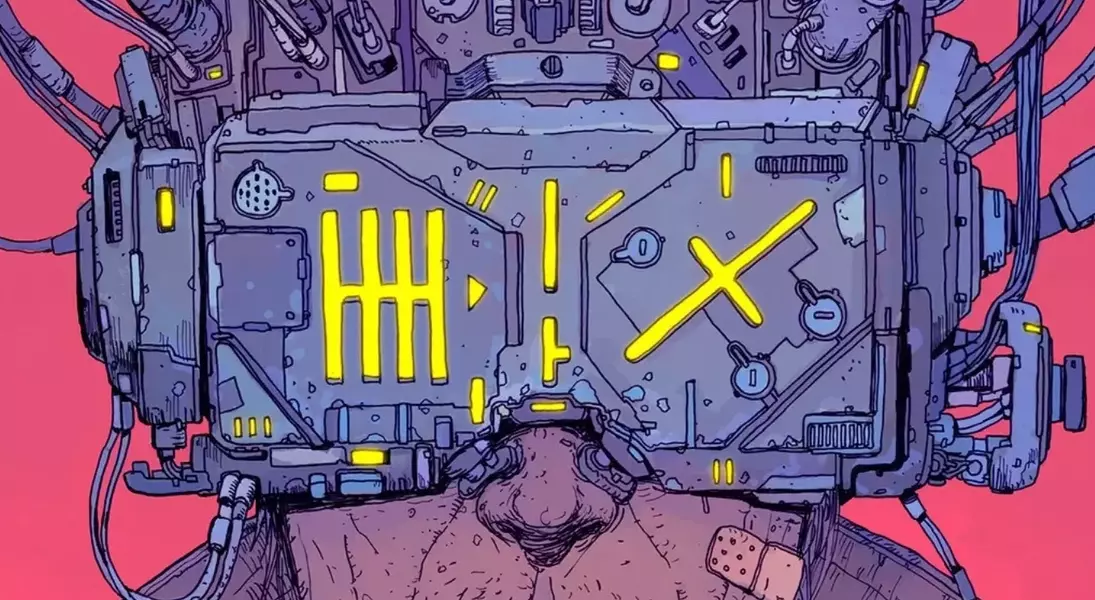
The cyberpunk genre, characterized by its visions of a technologically advanced yet dystopian future, found its definitive voice in William Gibson's groundbreaking novel, 'Neuromancer.' This seminal work, the first in the influential Sprawl trilogy, not only solidified key cyberpunk concepts like 'jacking into the matrix' and cyberspace as a dangerous digital frontier but also profoundly influenced subsequent sci-fi creations, from 'Ghost in the Shell' to 'Cyberpunk: Edgerunners.'
Despite its literary impact, 'Neuromancer' has proven notoriously difficult to translate into live-action, with numerous cinematic attempts failing to materialize. The novel's unique blend of intricate world-building, abstract digital realms, and vividly described characters presents significant challenges for traditional film production. However, with an Apple TV adaptation slated for 2026, featuring Callum Turner as Henry Dorsett Case, the debate resurfaces about whether live-action can truly do justice to Gibson's vision, or if the boundless flexibility of animation offers a more suitable path.
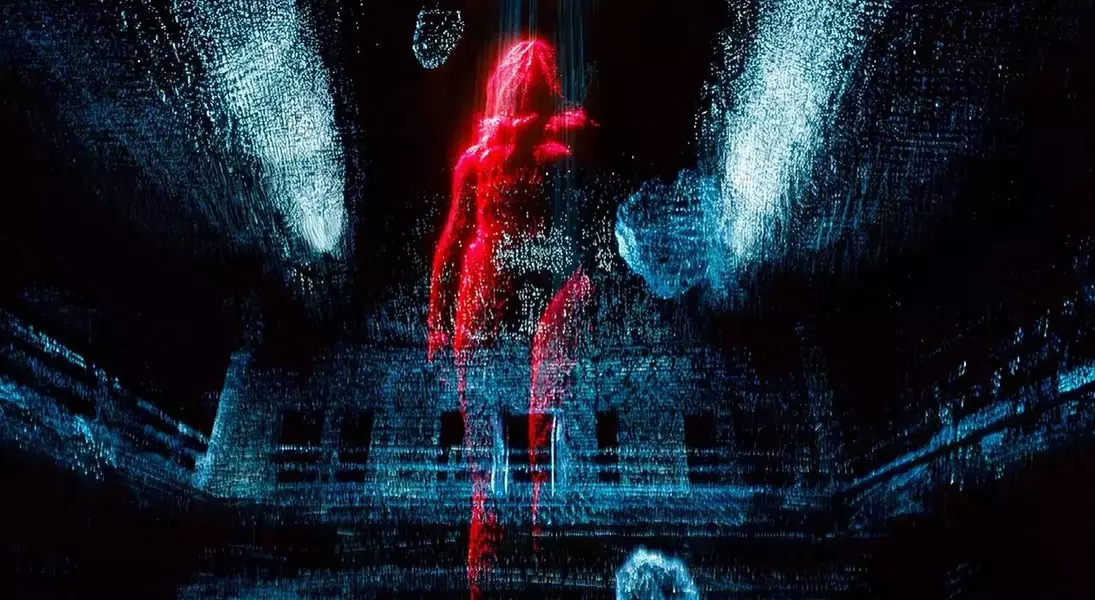
Gibson's narrative frequently transports readers into the abstract world of cyberspace, which he vividly portrays as a 'consensual hallucination'—a concept that, when visualized in live-action, often struggles to appear genuinely innovative. Moreover, the novel's global scope and its cast of distinctively modified characters, such as Molly with her mirror-lensed eyes and vision-enhancing implants, or Peter Riviera, who can project illusions directly into minds, demand a visual treatment that avoids the pitfalls of unrealistic or 'goofy' depictions often seen in live-action adaptations of highly stylized works. While live-action cyberpunk works like 'Blade Runner' have achieved success, 'Neuromancer's' particular blend of critique against global capitalism and consumerism, alongside its wildly imaginative settings and characters, suggests that animation could provide the creative freedom necessary to capture its essence, allowing for an exaggerated and fluid visual style that truly brings the Sprawl universe to life.
Ultimately, a successful adaptation of 'Neuromancer' requires more than just high production values; it demands an imaginative approach that respects the novel's intricate details and philosophical undertones. By embracing animation, creators can unlock the full potential of Gibson's world, presenting a dynamic and visually compelling narrative that not only entertains but also inspires contemplation on the future of technology and society, leaving a lasting impact on audiences.
