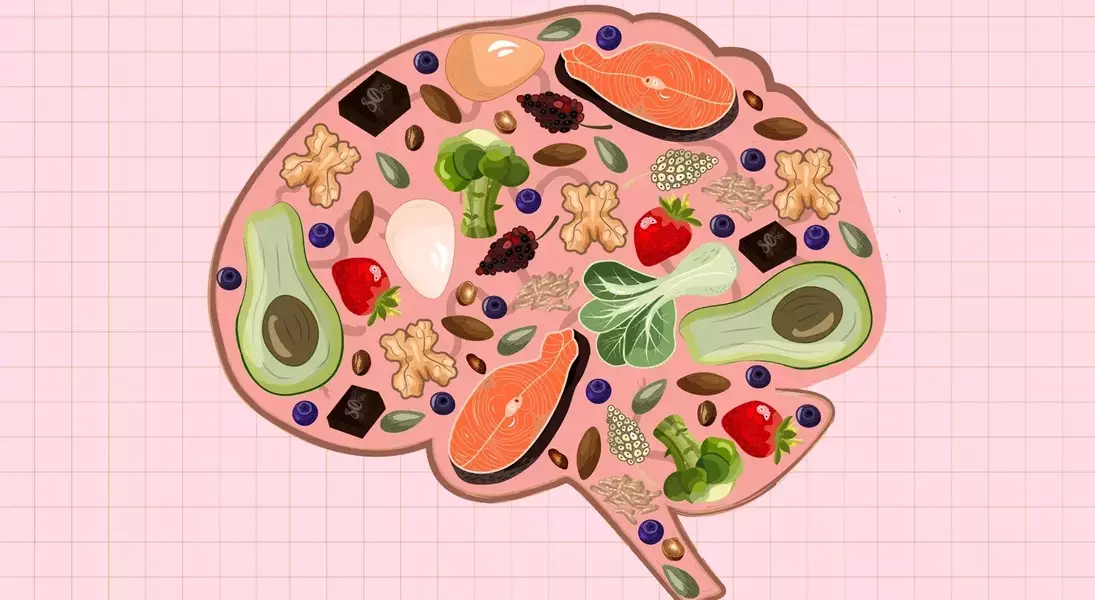
This article explores the critical link between diet and brain health, highlighting the consensus among neurologists regarding the significant benefits of incorporating berries into daily meals. It delves into how berries contribute to cognitive function, memory enhancement, and metabolic health, providing practical methods for their inclusion in various dishes. The discussion also touches upon other brain-supportive foods, emphasizing a holistic approach to dietary wellness for sustained mental acuity.
Fuel Your Mind: The Neurologists' Choice for Superior Brain Health
The Direct Connection Between Daily Nutrition and Cognitive Longevity
The nutritional choices we make profoundly influence our brain's aging process. A diet rich in wholesome foods is associated with slower brain aging and a reduced likelihood of age-related cognitive decline. Dr. Kellyann Niotis emphasizes that our daily food intake can shape gene expression and brain aging, viewing diet as a fundamental tool in preventive neurology to maintain cognitive abilities and life quality over the long term.
Why Berries Stand Out as a Neurologist's Premier Brain Food
Among a variety of brain-beneficial foods, berries—including blueberries, raspberries, and blackberries—are consistently identified by neurologists as a top choice. Their unique composition provides multiple advantages for brain health.
Berries: A Rich Reservoir of Antioxidants Essential for Neural Protection
The vibrant colors of berries signal their abundance in flavonoids, potent plant pigments with strong antioxidant capabilities. These compounds are vital for reducing inflammation and enhancing communication pathways between brain cells. Berries are a key component of the MIND diet, specifically valued for their anthocyanins, a type of flavonoid known for its neuroprotective effects. Additionally, Dr. Ella Akkerman points out that berries are an excellent source of vitamin C, a powerful antioxidant that shields the brain from oxidative stress, a factor implicated in Alzheimer's disease. For example, a single cup of strawberries supplies nearly 100% of the daily recommended vitamin C, with raspberries and blackberries also offering substantial amounts.
Enhancing Cognitive Recall Through the Regular Consumption of Berries
For those seeking to improve memory, blueberries offer a compelling solution. Dr. Jean-Raphael Schneider recommends daily consumption of blueberries, noting their anti-inflammatory flavonoids which support healthy brain aging and have been shown to improve memory and decelerate cognitive decline. Studies involving adults aged 50 to 65 with reported cognitive decline demonstrated that daily intake of blueberry powder led to improved memory test performance compared to a placebo group. Similar benefits were observed with strawberry powder in a subsequent study.
The Role of Berries in Bolstering Metabolic Health and Its Impact on the Brain
Consuming berries regularly is linked to improvements in critical metabolic health indicators, such as body weight, blood pressure, cholesterol, triglycerides, and insulin levels. These metabolic factors are intimately connected to brain health, with metabolic syndrome shown to reduce brain volume and gray matter—areas crucial for thought and memory—and impair cognitive performance in memory, processing speed, reasoning, and executive functions.
Practical Approaches to Integrate Berries into Your Daily Nutritional Regimen
Dr. Niotis considers berries an effortless and enjoyable way to nourish the brain. Here are some effective strategies to make them a staple in your diet:
Start Your Day with a Berry Boost: Incorporating Berries into Breakfast Routines
Berries are a perfect addition to breakfast, whether eaten alone or mixed into various dishes. Dr. Akkerman notes that her children consume a cup of berries every morning. Dr. Schneider suggests adding them to oatmeal, yogurt, or smoothies. They also serve as a naturally sweet sauce for pancakes or waffles, offering a healthier alternative to processed sugary options.
Elevate Lunch and Dinner with the Zest of Berries
Berries are not limited to sweet applications; they can enhance savory dishes with their vibrant flavors. Consider adding them to salads or using them to create savory sauces for poultry or fish, bringing a fresh twist to your main meals.
Indulge Sweetly: Berries as a Healthier Dessert Option
Given the link between high sugar intake and an increased risk of dementia, using berries in desserts offers a healthier alternative. Fresh, cooked into compotes, or served independently, berries provide a delicious topping for angel food cake, ice cream, and other sweets.
Snack Smart: The Simple Habit of Daily Berry Consumption
Dr. Schneider advises starting with a small handful of berries a few times a week as a quick snack. The emphasis is on consistent consumption over time rather than occasional large quantities, to maximize their long-term health benefits.
Expanding Your Brain-Healthy Diet Beyond Berries
A diet beneficial for the brain extends beyond just berries, encompassing a variety of foods rich in antioxidants and anti-inflammatory compounds. Dr. Niotis highlights leafy greens like spinach, kale, and arugula as essential for their folate and lutein content, which support cognition. Drs. Schneider and Akkerman also recommend nuts such as walnuts, almonds, and pecans for their healthy fats and antioxidants. Furthermore, all three neurologists advocate for probiotic-rich foods to maintain a healthy gut microbiome, which is closely linked to improved brain health. Ultimately, they stress the importance of a balanced diet composed of whole, unprocessed foods as the foundation for both physical and mental well-being.
