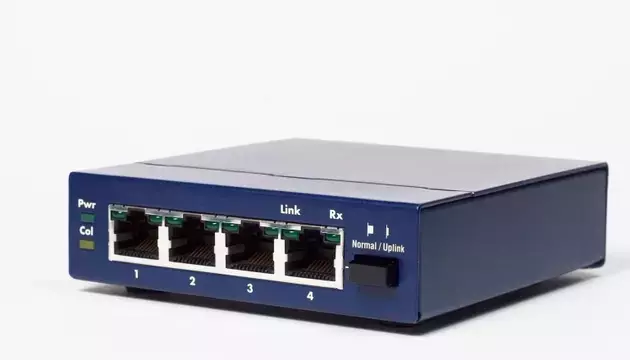
NETGEAR, a prominent player in the networking industry, has recently shown a significant turnaround in its financial performance, achieving its first annual revenue growth since 2020. This resurgence is primarily attributed to the robust performance of its enterprise segment and the increasing uptake of high-margin recurring software subscriptions. The company's strategic focus on specialized areas like ProAV managed switches, coupled with the potential market shift due to a possible expansion of the TP-Link ban in the United States, positions it for interesting developments. However, like many in the tech sector, NETGEAR navigates challenges such as persistent supply chain cost pressures and a subdued consumer demand environment. Despite these headwinds, its solid liquidity, ongoing share repurchase initiatives, and a strong foothold in the enterprise market provide a stable foundation. While the current outlook suggests a neutral rating with a projected upside, continuous positive advancements in its key growth areas could warrant a more optimistic evaluation.
NETGEAR's Strategic Moves and Market Dynamics
In a dynamic landscape, NETGEAR, a global leader in networking solutions, is strategically enhancing its position by capitalizing on its enterprise offerings and high-margin software subscriptions. Recent financial disclosures highlight the company's first annual revenue growth since 2020, primarily fueled by the strong performance of its enterprise segment, which includes advanced ProAV managed switches.
A critical catalyst for NETGEAR's future growth could be the potential expansion of the TP-Link ban within the United States. Such a development would significantly alter market dynamics, potentially opening new avenues for NETGEAR to capture a larger share in the networking hardware sector. The company's ProAV switches, specifically designed for professional audio-visual installations, are gaining traction, indicating a successful diversification into niche, high-value markets.
However, the journey is not without its obstacles. NETGEAR continues to grapple with elevated supply chain costs, which impact profitability. Additionally, a general slowdown in consumer demand for networking products presents a headwind for its retail segment. Despite these challenges, NETGEAR's robust financial health, demonstrated through ample liquidity and active share repurchase programs, underscores its resilience. These factors, combined with a strong competitive standing in the enterprise domain, provide a buffer against market volatility.
Looking ahead, the company's ability to innovate and adapt to evolving market conditions will be crucial. Sustained growth in its enterprise sector, particularly in managed services and ProAV solutions, and effective mitigation of supply chain disruptions, will be key indicators for future performance. The market currently maintains a neutral stance, with a price target of $22.35 and an 8.5% projected upside, reflecting a balanced view of both opportunities and inherent risks.
NETGEAR's current standing presents a fascinating study in navigating a competitive and evolving technological landscape. The company's focus on high-growth enterprise solutions and recurring revenue streams appears to be a sound strategy for long-term sustainability. However, the external pressures from supply chain issues and consumer market fluctuations remind us that adaptability is paramount. For investors, the narrative around NETGEAR is one of cautious optimism, awaiting further concrete developments that could solidify its growth trajectory and potentially elevate its market valuation.
