
In a strategic move echoing its ambition in the cinematic landscape, Netflix has meticulously outlined the release and awards campaign for Richard Linklater's latest masterpiece, 'Nouvelle Vague.' This film, a heartfelt homage to the iconic French New Wave movement and Jean-Luc Godard's groundbreaking 'Breathless,' recently captivated audiences at the Cannes Film Festival, earning a remarkable ten-minute standing ovation and widespread critical acclaim. Netflix's detailed release plan for the United States includes a two-week exclusive theatrical window in major markets, ensuring the film's eligibility for prestigious awards before its highly anticipated global streaming debut. This dual-platform approach underscores the company's commitment to both the big screen experience and the accessibility of its content, aiming to propel 'Nouvelle Vague' into the forefront of the upcoming awards season across multiple categories, including the fiercely competitive Best International Feature Oscar race.
\"Nouvelle Vague\" Set for Grand Premiere and Oscar Pursuit: A Deep Dive into Netflix's Strategy
On July 31, 2025, an exclusive report unveiled Netflix's intricate release schedule for Richard Linklater's much-anticipated film, 'Nouvelle Vague.' This cinematic ode to French cinema and Jean-Luc Godard's seminal work, 'Breathless,' is slated for an American theatrical release on the auspicious date of October 31. This initial two-week exclusive run will take place in major metropolitan areas, including New York, where Netflix proudly owns the historic Paris Theater, and Los Angeles, alongside other top 10 U.S. film markets. Following its limited theatrical engagement, the film will transition to the global streaming platform on November 14, making it widely accessible to Netflix's expansive subscriber base.
The film, predominantly in French, is being positioned by Netflix for a strong presence across a spectrum of award categories. Industry insiders suggest 'Nouvelle Vague' could emerge as a serious contender for Best Picture, building on the recent success of non-English language films in this category, such as France's 'Emilia Pérez,' also distributed by Netflix. Richard Linklater, a revered filmmaker, is being championed for Best Director, a category where he previously received a nomination for his 2014 film, 'Boyhood.' The screenplay, penned by Holly Gent, Laetitia Masson, and Vincent Palmo Jr., will also be put forth, with classification as either adapted or original yet to be determined.
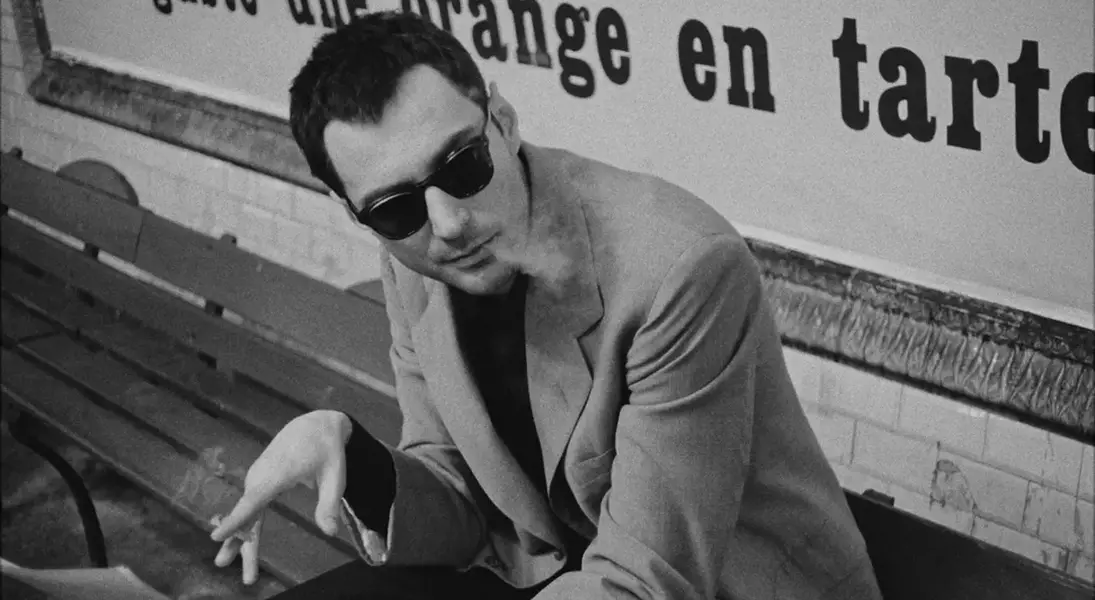
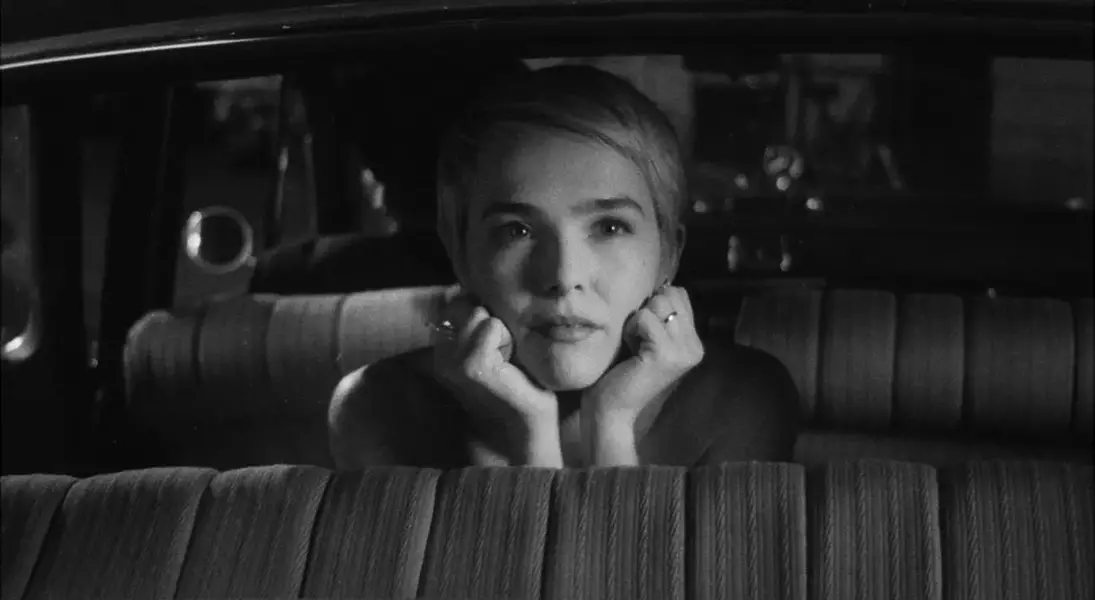
In terms of performances, Zoey Deutch delivers a luminous portrayal of the legendary Jean Seberg and is being campaigned for Best Supporting Actress. French talents Guillaume Marbeck and Aubry Dullin, whose uncanny resemblances to Jean-Luc Godard and Jean-Paul Belmondo respectively have been noted, are set for campaigns in the Best Lead Actor and Best Supporting Actor categories.
A significant question looming is whether France will select 'Nouvelle Vague' as its official entry for the Best International Feature Oscar. While Linklater and Deutch are American, the vast majority of the cast and crew, including producers Laurent Pétin and Michèle Pétin, are French. The film's financing, production, and premiere all took place in France, and it stands as a clear celebration of French cinematic heritage, strongly aligning with the eligibility criteria that the film's creative control was "largely in the hands of citizens, residents, or individuals with refugee or asylum status in the submitting country." This situation presents a compelling scenario for France's selection committee, especially given recent historical precedents where non-native directors' films were chosen, such as Japan's submission of Wim Wenders' 'Perfect Days' in 2024. France's past experiences with Oscar submissions, particularly the un-nominated 'The Taste of Things' over the highly acclaimed 'Anatomy of a Fall' in 2024, and the unexpected turn for 'Emilia Pérez' in 2025, highlight the unpredictability and high stakes of this selection process. Given that no other French film has yet to emerge as a stronger Oscar contender this year, the decision regarding 'Nouvelle Vague' will be keenly observed, as it holds the potential to bring France its first Best International Feature Oscar win since 'Indochine' in 1993.
As a devoted cinephile and an observer of the evolving landscape of film distribution and awards, Netflix's strategy with 'Nouvelle Vague' offers a fascinating glimpse into the future of cinema. The hybrid release model, embracing both the traditional grandeur of theatrical releases and the expansive reach of streaming, demonstrates a progressive understanding of audience engagement. It also signifies Netflix's growing prowess and influence in the awards circuit, as they meticulously craft campaigns to ensure their content receives the recognition it deserves. The debate surrounding France's selection for the Best International Feature Oscar, particularly with 'Nouvelle Vague' being an American-directed, French-centric film, underscores the ever-blurring lines of national cinema in a globalized industry. This situation challenges traditional notions of cinematic identity and opens up conversations about artistic collaboration transcending geographical boundaries. Ultimately, it’s a win for audiences who will have diverse access to a film that promises to be both a cultural tribute and a strong awards contender, pushing the boundaries of what defines a "national" film in the 21st century.
