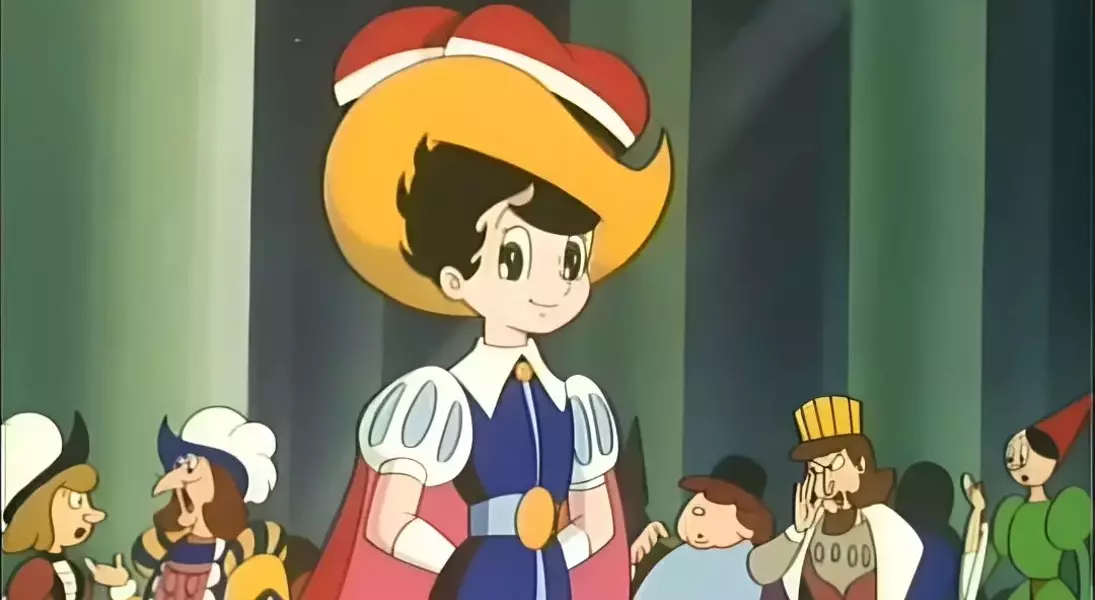
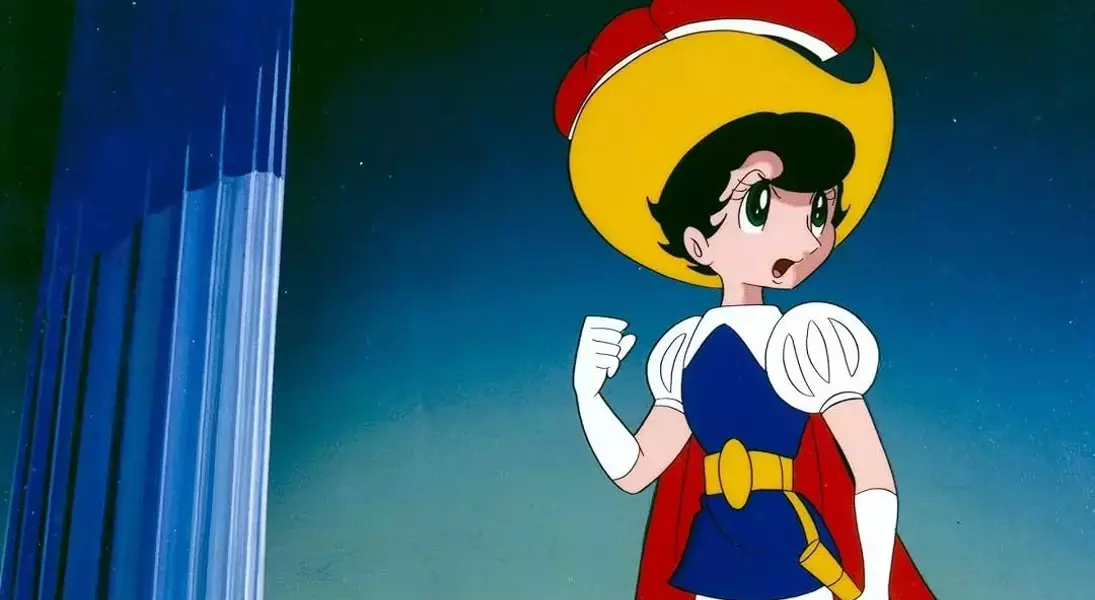
Osamu Tezuka's timeless shōjo manga, 'Princess Knight,' which first graced pages in the mid-20th century, is now being reimagined for a new generation. This foundational work in the shōjo genre, known for its pioneering exploration of gender identity, is set to become an anime film on Netflix. The upcoming adaptation, titled 'The Ribbon Hero,' promises to delve into the manga's rich narrative and thematic depth, offering a fresh perspective on a beloved classic.
A Classic Reimagined: Netflix Unveils New Anime Film Inspired by Tezuka's Masterpiece
The Enduring Legacy of Shōjo Manga and 'Princess Knight'
The genesis of shōjo manga, primarily aimed at a youthful female demographic, traces back to the early 20th century. The subsequent decades, particularly the 1950s and '60s, fostered an environment ripe for creative breakthroughs, allowing this diverse genre to flourish in the '80s and beyond. Crucially, any discourse on shōjo manga remains incomplete without acknowledging Osamu Tezuka's 'Princess Knight,' which began its serialization in 1953 and continued until 1968, profoundly shaping the genre.
The Pervasive Influence and Modern Reimagining of a Shōjo Icon
The profound impact of 'Princess Knight' resonates across countless seminal anime, including 'Sailor Moon,' 'The Rose of Versailles,' and 'Revolutionary Girl Utena.' Recently, Netflix unveiled its plans for a new anime film, 'The Ribbon Hero,' inspired by Tezuka's groundbreaking manga. Helmed by Yuki Igarashi, known for his work on 'Star Wars: Visions,' and his studio, Outline, this adaptation is eagerly anticipated by fans and critics alike.
Exploring Gender Identity and Societal Expectations in a Fantastical Realm
'Princess Knight' is set in a fantastical medieval Europe, where Princess Sapphire assumes the identity of a male prince to secure the throne of Silverland. This central narrative device of a female character adopting a male persona through cross-dressing, while rooted in literary traditions like Shakespeare's 'As You Like It,' found one of its earliest and most influential expressions within the shōjo category in Tezuka's work.
Challenging Norms: The Feminist Undertones and Contemporary Reworking of Classic Themes
Esteemed genre works such as 'Ouran High School Host Club' and 'Hana-Kimi' have embraced this thematic trope, thereby questioning heteronormativity and conventional gender role expectations. While Tezuka's manga inherently carried a feminist viewpoint, it also contained outdated ideas that necessitate reinterpretation through a modern lens. Igarashi's adaptation endeavors to address these elements with careful consideration.
A Director's Homage: Yuki Igarashi's Vision for 'The Ribbon Hero'
Igarashi's anime faces significant expectations, yet the director has affirmed that this new interpretation is founded on deep respect for the original. He expressed his profound admiration for Osamu Tezuka and Ichizo Kobayashi of the Takarazuka Revue, which served as a fundamental inspiration for the manga. This reverence guides his approach to adapting such a seminal work.
Artistic Collaboration: Bringing the Aesthetic of 'Princess Knight' to Life
The Takarazuka Revue, a distinguished all-female Japanese musical theater troupe established in 1914, has historically featured women performing both male and female roles, a revolutionary concept for its time. This unique artistic tradition unequivocally served as the inspirational blueprint for 'Princess Knight.' To vividly realize this distinct aesthetic, Igarashi is collaborating with prominent artists like Kei Mochizuki and Mai Yoneyama on character design and conceptualization.
Sapphire's Complex Journey: Gender, Identity, and Societal Pressure
Sapphire's decision to masquerade as a man is deeply intertwined with societal perceptions of male identity that have shadowed her since birth. Her father's public declaration of her as a boy, a strategic move to prevent the antagonistic Duke Duralumin's heir from ascending, forced Sapphire to navigate stringent gendered expectations throughout her youth. Furthermore, her heart symbolically harbors both masculine and feminine halves, represented by blue and pink, a binary that the original manga largely left unchallenged. Nevertheless, Sapphire's innate ability to fluidly transition between genders represents a significant stride towards a positively queer-coded portrayal within shōjo protagonists.
Reclaiming Agency: The Thematic Core of 'Princess Knight'
At its core, 'Princess Knight' is a narrative about the reclamation of personal agency. It chronicles a quest for identity within a society that rigidly attempts to categorize individuals into predetermined boxes based on false dichotomies. Sapphire's autonomy is both supported and undermined throughout her journey, adding layers of thematic complexity to Tezuka's manga. If the Netflix film aims for a contemporary treatment, these character moments demand careful reframing. Certain characters, like the spirited noblewoman Friebe, would thrive in their original portrayals. Friebe exemplifies a woman unburdened by gender constraints, her resolute and self-assured nature providing a vital counterbalance to some of the sexist undertones present in Sapphire's arc.
Anticipating the Adaptation: A Fusion of Camp and Contemporary Storytelling
The original work possesses a delightful, flamboyant undertone that, one hopes, will be preserved in Netflix's adaptation. A wealth of visual and tonal insights can be drawn from the 52-episode television anime, along with numerous stage musicals that have emerged since the 1980s. With these elements in mind, 'The Ribbon Hero' has the potential to become a significant success for the streaming platform. 'Princess Knight' encapsulates all the essential components for a captivating and inspiring narrative about a woman who defies conventional gender norms, determined to forge her own path in the world.
