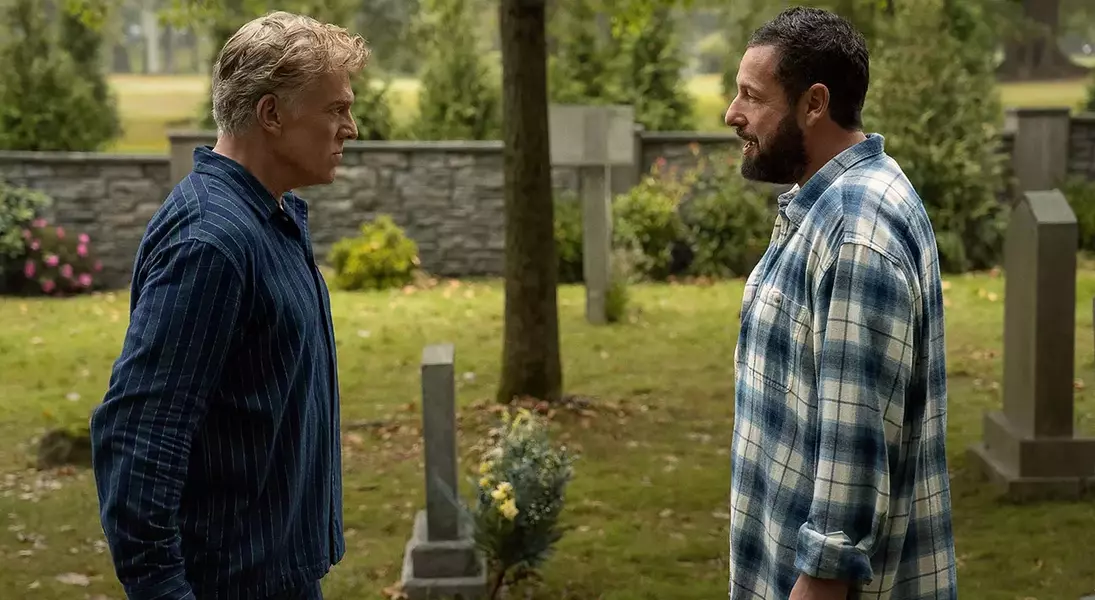
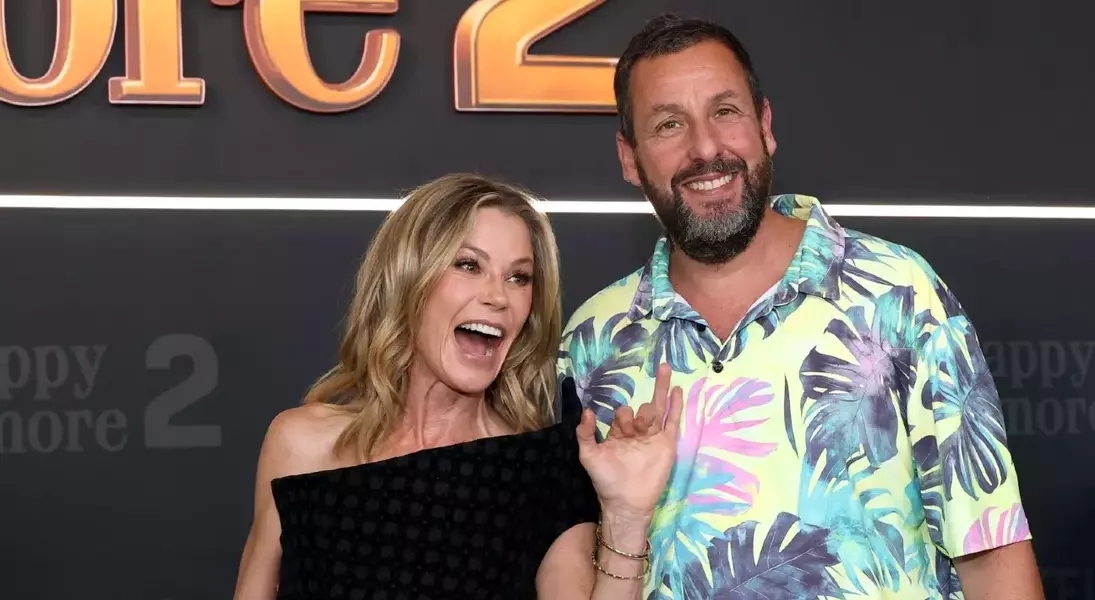
Netflix has unleashed a comprehensive and ingenious marketing strategy for 'Happy Gilmore 2,' demonstrating a masterful understanding of audience engagement. From nostalgic character revivals to groundbreaking digital campaigns and strategic brand collaborations, the streaming giant has meticulously crafted a promotional ecosystem designed to captivate a broad spectrum of viewers. This meticulous approach underscores Netflix's commitment to transforming film releases into widespread cultural events, effectively leveraging past successes to build anticipation for future hits. The success of this campaign redefines how major film launches can effectively merge traditional and digital outreach, creating an immersive experience that resonates deeply with long-time fans and new audiences alike, ensuring the movie's prominent place in popular discourse.
Netflix orchestrates elaborate promotional spectacle for 'Happy Gilmore 2' launch
As the highly anticipated sequel to Adam Sandler's beloved 1996 comedy, 'Happy Gilmore 2,' makes its grand debut on Netflix this Friday, the streaming giant has orchestrated an extensive and multi-layered marketing campaign to ensure its widespread recognition and monumental success. This promotional blitz commenced long before the film's official release, demonstrating a keen understanding of fan anticipation and strategic engagement.
The groundwork for this marketing phenomenon was laid when Netflix officially announced the sequel last year, immediately igniting fervent excitement among fans. The film, directed by Kyle Newacheck, features Adam Sandler reprising his iconic role as the unconventional golfer, alongside returning cast members Christopher McDonald, Julie Bowen, and Ben Stiller. New additions to the star-studded ensemble include Bad Bunny, Benny Safdie, and Haley Joel Osment, further amplifying interest.
A pivotal moment in the campaign unfolded in May, even before the trailer's release, when Christopher McDonald, portraying the character of Shooter McGavin, made a memorable appearance at the prestigious WM Phoenix Open golf tournament. This nostalgic cameo generated considerable buzz, tapping into the deep affection fans hold for the original film. Following this, the trailer's debut proved to be an unprecedented triumph. Bela Bajaria, Netflix's content chief, revealed at the film's premiere at New York’s esteemed Lincoln Center that the trailer's performance was the most successful for any Netflix film to date, a testament to the enduring appeal of the 'Happy Gilmore' universe.
Building on this momentum, Netflix forged strategic partnerships with major brands such as U.S. Bank, Callaway, Topgolf, and Subway. Subway, a brand prominently featured in both the original and the sequel, became a central pillar of the campaign, with Christopher McDonald himself fronting ads for the "Happy Gilmore meal." McDonald expressed his enthusiasm, noting, "Subway was a big part of the first one, and so they stepped up and wanted to be in the second one as well. Luckily, we had some great writers from the 'Happy Gilmore' camp who gave me some really fun lines."
The marketing efforts extended beyond conventional advertising into imaginative public spectacles. One highlight was the transformation of Times Square’s iconic New Year’s Eve ball into a giant golf ball emblazoned with the titular character's image. Furthermore, Adam Sandler made a surprise appearance in character at last month's NHL Draft, where he announced the pick for the Boston Bruins, Happy’s beloved hockey team, creating an unforgettable moment for sports and film enthusiasts. The cultural penetration continued with a dedicated 'Happy Gilmore' category featured on the popular quiz show 'Jeopardy!' this past week.
Jonathan Helfgot, Netflix’s Vice President of Film Marketing, articulated the philosophy behind this ambitious campaign, stating, “Capturing the tone of the iconic first film and preparing fans for the next chapter is a lotta pressure. You gotta harness the good ideas, block out the bad. Harness. Good. Block. Bad.” He added, “In all seriousness, Happy is the ultimate disruptor, and it was so much fun to push the limits on this campaign in his style. You could feel the excitement growing with every beat, and it won’t stop now that we’ve released. We can’t wait to celebrate fans’ new cult-favorite moments every step of the way.”
Indeed, the excitement shows no signs of waning. Complementing the film's release, Netflix announced on Friday the availability of an easter-egg video game, 'Happy Gilmore: Golf Mayhem ’98 Demo,' accessible to members on eligible TVs and Netflix.com. This retro-inspired game allows fans to step into Happy’s shoes, engage in golf, confront familiar adversaries, and indulge in a bit of chaotic fun, truly transporting them to Happy Gilmore’s happy place.
From a journalist's perspective, this marketing masterclass by Netflix serves as a compelling case study in modern film promotion. In an era saturated with content, merely releasing a film, even a highly anticipated sequel, is no longer sufficient. The strategic integration of nostalgia, innovative digital activations, and synergistic brand partnerships exemplifies a forward-thinking approach to audience engagement. The success of this campaign highlights the power of immersive experiences that transcend traditional viewing, transforming a film release into a vibrant cultural event. It suggests that the future of entertainment marketing lies in creating multifaceted, interactive narratives that resonate deeply with audiences, fostering a sense of community and prolonged excitement.
