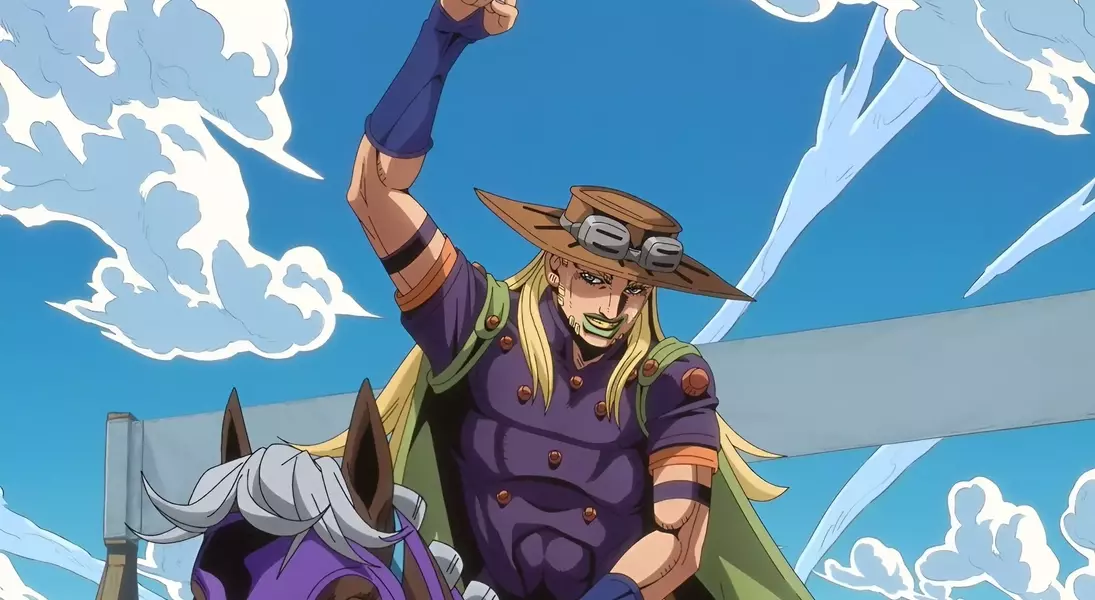
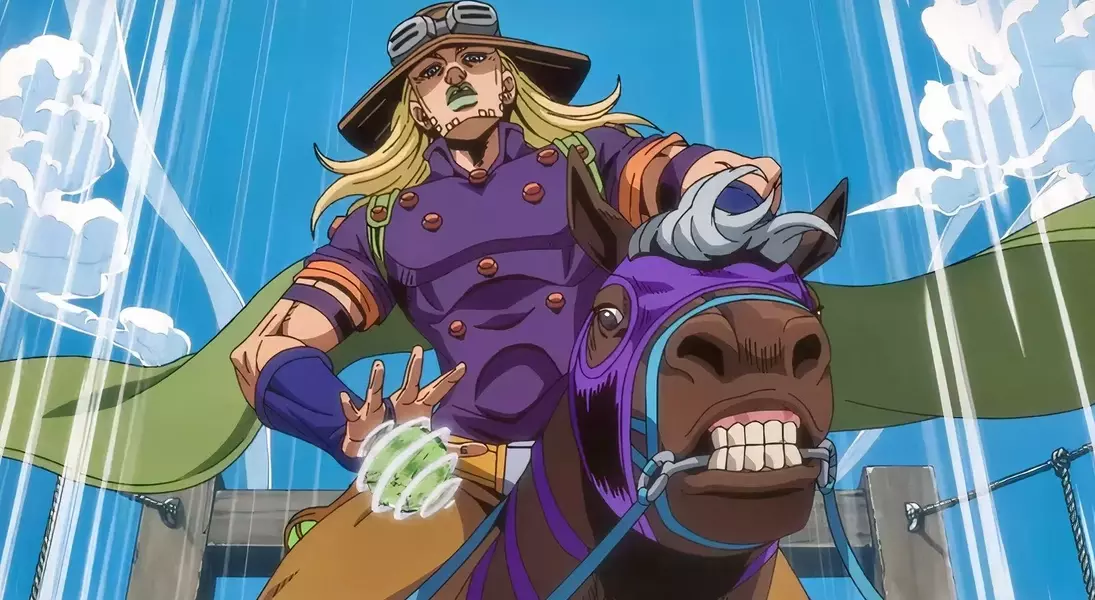
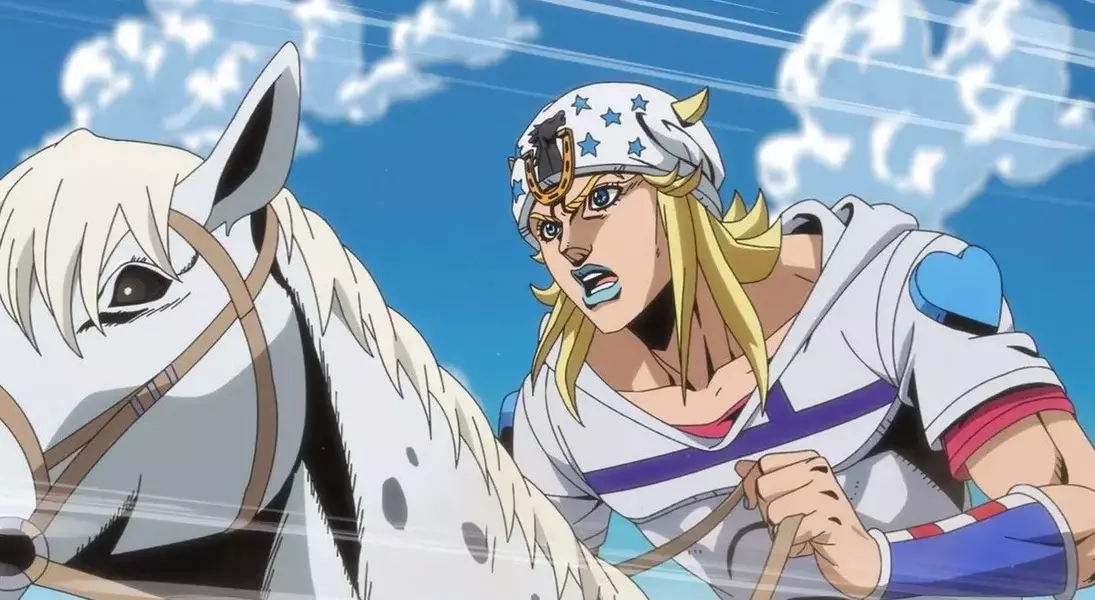
The eagerly awaited adaptation of Hirohiko Araki's “JoJo's Bizarre Adventure: Steel Ball Run” by Netflix has unfortunately hit a snag, leading to considerable disappointment among its dedicated fanbase. After a promising two-part debut, the streaming platform's decision to halt weekly episodes without clear communication has ignited a wave of frustration, reminiscent of previous controversies surrounding anime releases. This situation underscores a broader challenge for Netflix in managing the expectations of a passionate global audience accustomed to consistent content delivery.
Netflix's “Steel Ball Run” Premiere Sparks Fan Outcry Over Irregular Release
On March 19, the animation studio David Production, renowned for its work on previous “JoJo” installments, launched the initial two episodes of “JoJo's Bizarre Adventure: Steel Ball Run” on Netflix. These episodes successfully introduced the highly anticipated horse racing competition, generating significant enthusiasm for the series' upcoming races. However, this initial excitement quickly turned into widespread dismay when, contrary to fan expectations, no new episodes were released the following week, leaving many to realize that a continuous weekly schedule was not in place.
By mid-March, Netflix's social media platforms were inundated with inquiries and criticisms regarding the release schedule. The protagonist, Johnny Joestar, became a symbol of this discontent, with memes reflecting fan frustration circulating widely. Even prominent entities like A24 joined the conversation, highlighting the growing dissatisfaction within the community. The mounting pressure compelled Netflix to issue a statement via X, which, to the chagrin of many, lacked specific details about the future release plan.
Despite a general framework pointing to a “fall 2026” continuation, the lack of immediate follow-up to the premiere has been a significant blow to fans. “Steel Ball Run” is a pivotal entry in the “JoJo” franchise, distinct for its unique continuity and Spaghetti Western influences set in the 1890s. David Production's initial adaptation brilliantly captured the manga's essence, making the staggered release all the more perplexing given the story's inherent rhythm. Netflix's retroactive labeling of the premiere as “1st Stage” and its vague explanation citing “original plan” and “production committee wishes” only served to highlight a perceived lack of transparency, exacerbating fan frustration.
This isn't an isolated incident for Netflix concerning “JoJo” adaptations. The release of “Stone Ocean” (Part 7) faced similar criticism for its batch release model, which was seen as disjointed and detrimental to the viewing experience, lacking logical pacing for key story developments. The current situation with “Steel Ball Run”, where the first two manga volumes were adapted at a rapid pace, leaves audiences anticipating the “2nd Stage” to delve deeper into the aftermath of the initial race and the enigmatic character of Gyro Zeppeli. The narrative, with its focus on unchecked greed and the perils of toxic nationalism, thrives on a consistent, well-paced delivery to fully engage its audience.
The current handling of “Steel Ball Run” raises critical questions about Netflix's content strategy for highly anticipated anime series. For a narrative designed to be savored in weekly increments, fostering anticipation and engagement, an erratic release schedule can be particularly damaging. To prevent a repeat of past disappointments and to truly honor the intricate storytelling of Araki's work, a more thoughtful and consistent approach to content distribution is imperative. The expectation remains that Netflix will re-evaluate its strategy to deliver “Steel Ball Run” with the consideration and continuity it rightly deserves.
The release strategy for premium content on streaming platforms, particularly highly anticipated anime series, significantly impacts audience engagement and the overall viewing experience. Netflix's repeated missteps with the “JoJo” franchise highlight the critical need for transparent communication and a release schedule that respects the narrative structure and fan expectations. In an era where streaming services compete intensely for subscribers, understanding and catering to the nuances of specific fan communities, rather than imposing a one-size-fits-all approach, is paramount for sustained success and audience loyalty.
