Netflix is gearing up for the highly anticipated launch of the second and final season of its groundbreaking series, 'One Hundred Years of Solitude.' This ambitious adaptation of Gabriel García Márquez’s literary masterpiece will conclude its epic narrative with a two-part release in August. The initial seven episodes will become available on August 5th, leading up to a cinematic grand finale, a feature-length episode, set to premiere on August 26th. In a distinctive move, special theatrical screening events for this momentous conclusion are scheduled to take place in various Colombian cities, forged through a partnership with Proimágenes, the national film promotion body.
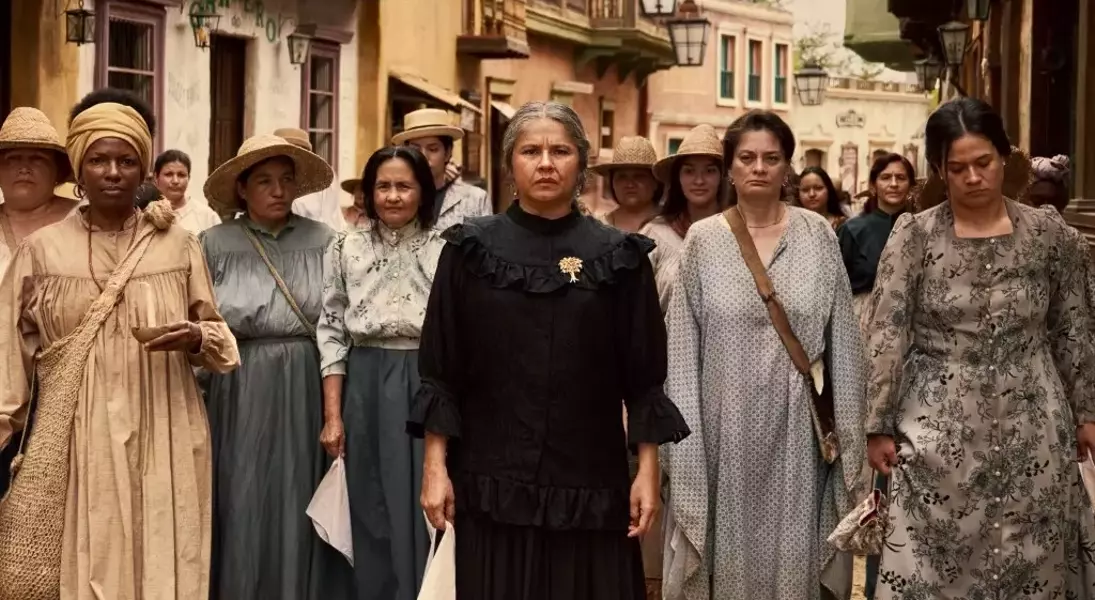
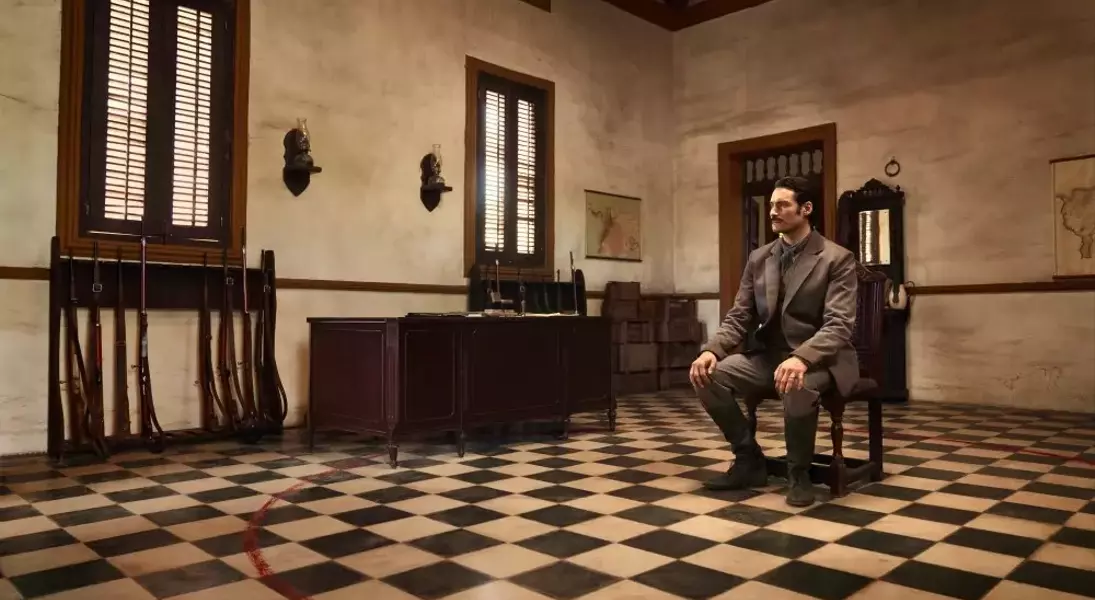
The series, a sweeping family saga, picks up precisely where its first season concluded, delving into the remaining five decades of the century chronicled in Márquez's renowned novel. The initial part introduced viewers to a burgeoning Macondo, a town that initially embodied utopian ideals but gradually succumbed to the ravages of conflict, epitomized by Colonel Aureliano Buendía's struggles. The forthcoming second installment will explore the destinies of succeeding generations of the Buendía family as Macondo undergoes profound transformations with the onset of modernity, inexorably steering it towards decay and the fated prophecy that hangs over its existence.
Francisco Ramos, Netflix's VP of Content for Latin America, revealed that the decision to release the series in two distinct parts was intentional, viewing it as a 'bookended project' that offered a clear vision for its conclusion. He highlighted the evolution of Macondo itself, noting its emergence as a character of increasing significance. In the first part, the town represented a utopian genesis; however, by the second part, this utopia is already in decline, tracing an inevitable trajectory toward its destruction, a theme Ramos believes Márquez masterfully explored in the original novel.
Showrunner Laura Mora, who directed five episodes of the second part including the finale, emphasized the creative team's commitment to elevating the narrative and aesthetic quality, aiming for a more profound, intricate, and cinematic experience. Carlos Moreno directed the remaining three episodes. The directors strategically divided the season to align with key narrative shifts, with Mora bridging the first season to introduce the new Buendía generation and a transformed Macondo. Moreno then introduced the character of Fernanda del Carpio, bringing his unique blend of humor and character depth. Mora later returned to direct episodes depicting the pivotal arrival of the United Fruit Company and American influence, a storyline she had long wished to adapt. Moreno concluded with the episode focusing on Macondo's legendary period of incessant rainfall.
Ramos elaborated on the production's ambition, stating that each episode was structured like an individual film. This approach ensures that while all episodes contribute to the overarching narrative, each also functions as a self-contained story with its own purpose and identity. This design, he believes, offers a highly gratifying viewing experience, respecting the audience's intelligence by presenting a coherent narrative arc within each segment rather than merely as a chapter in a larger story.
The monumental adaptation was filmed entirely in Colombia and in Spanish, involving hundreds of artists and crew members. The recreation of Macondo from the ground up marked a significant milestone for Colombia's audiovisual industry. Mora recounted her reliance on handwritten journals as both a creative tool and a personal chronicle, underscoring her commitment to analog methods in a rapidly digitizing industry. She sees this 'fiercely analog' approach as a form of resistance against the overwhelming pace of technological advancements, including AI.
The project, according to Mora, served as a 'school' for nearly everyone involved, many of whom had never worked on a production of such scale. Ramos echoed this sentiment, highlighting the extraordinary achievement for the Colombian industry. He noted that just a few years prior, a project of this magnitude was considered impossible, yet its successful realization has fostered a powerful sense of possibility and intellectual ambition, not just for the industry but for Colombia as a whole.
