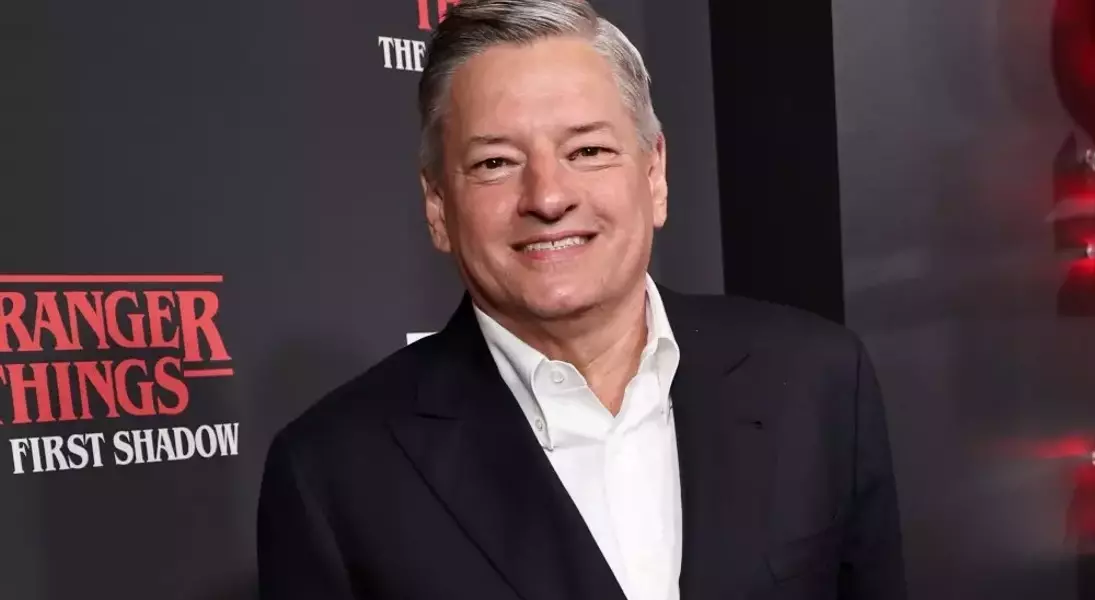
Netflix co-CEO Ted Sarandos is set to testify before a Senate committee next month, addressing the company's significant $83 billion proposal to acquire Warner Bros.'s studio and streaming operations. This hearing will focus on the antitrust implications of the merger, which has already sparked considerable debate among lawmakers and industry stakeholders. Warner Bros. Discovery's chief strategy officer, Bruce Campbell, will also provide testimony, as confirmed by Variety following reports from Bloomberg News. The exact date for their appearance has not yet been finalized.
Senator Mike Lee of Utah, who chairs the Senate Judiciary Subcommittee on Antitrust, Competition Policy and Consumer Rights, has previously voiced concerns regarding the Netflix-Warner Bros. deal. Shortly after the acquisition was announced on December 5, Senator Lee remarked on X (formerly Twitter) that the deal presented "a lot of antitrust red flags" and foreshadowed an "intense antitrust hearing in the Senate."
The proposed merger has also faced criticism from Democratic lawmakers. Senator Elizabeth Warren of Massachusetts, for instance, described the deal as "an anti-monopoly nightmare" last month. She argued that uniting Netflix and Warner Bros. would establish a dominant media entity, controlling nearly half of the streaming market. Such a concentration, she suggested, could lead to increased subscription costs for consumers, limit content choices, and endanger American jobs.
At the close of 2025, Netflix reported over 325 million global streaming subscribers. Warner Bros. Discovery, as of September 2025, had 128 million streaming subscribers, encompassing HBO Max, Discovery+, and its sports streaming services. This combined subscriber base is a key element in the antitrust discussions.
Paramount Skydance, led by David Ellison, has been actively pursuing its own hostile takeover bid for Warner Bros. Discovery and is urging WBD shareholders to reject Netflix's offer. Paramount Skydance contends that the Netflix deal faces significant regulatory hurdles due to potential market concentration. In contrast, Paramount argues that its own proposed merger would foster competition and bolster the entertainment industry's long-term viability. They estimate that a combined Netflix and HBO Max would command approximately 43% of global streaming subscribers, leading to elevated consumer prices, reduced compensation for content creators, and substantial harm to both American and international theatrical exhibitors.
Beyond political figures, several Hollywood organizations, including the Writers Guild of America (WGA), have expressed opposition to the Netflix-Warner Bros. merger, citing concerns about job losses and increased consumer costs. Cinema United, a trade group representing theater owners, informed Congress earlier this month that the proposed amalgamation could result in theater closures and further job losses within the industry.
Despite these criticisms, both Netflix and Warner Bros. Discovery remain confident that their agreement will successfully navigate regulatory scrutiny. In a letter dated December 17 to WBD shareholders, Netflix co-CEOs Ted Sarandos and Greg Peters affirmed their belief that regulators would view the deal as beneficial for consumers, innovation, workers, creators, growth, and competition. This week, both companies confirmed they have filed Hart-Scott-Rodino (HSR) antitrust documents and are actively engaging with competition authorities, including the U.S. Justice Department and the European Commission. They reiterated their commitment to collaborating with regulators and all stakeholders to ensure a smooth and successful transaction.
Further demonstrating its commitment, Netflix revised its offer for Warner Bros. Discovery's TV and film studios and the HBO Max streaming service on January 20, transitioning from a cash-and-stock proposal to an all-cash offer. This strategic move was intended to counter Paramount's argument that its all-cash offer of $30 per share was superior to Netflix's original proposal.
