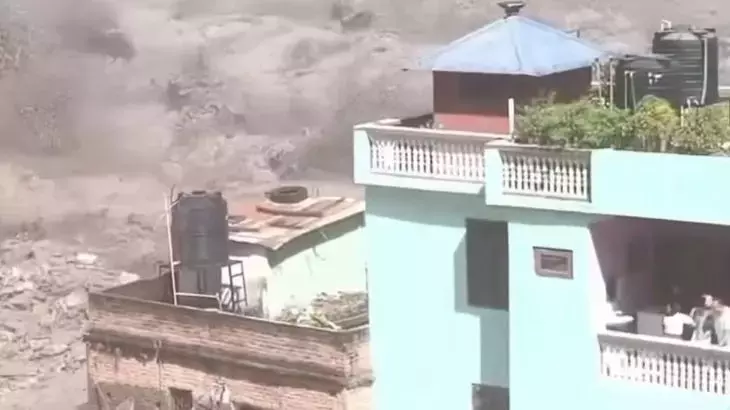
In the wake of devastating flash floods at the Nepal-Tibet border, a remarkable scene has emerged: a solitary dwelling, enveloped by tumultuous currents, yet standing firm. This imagery starkly contrasts with the widespread destruction, where communities grapple with profound loss. The calamity has tragically claimed hundreds of lives, leaving thousands more missing and underscoring the urgent need for international aid and concerted rescue operations. This event has not only reshaped the landscape but also brought to light the extraordinary resilience of life in the face of nature's fury.
Published on August 30, 2026, initial reports from the affected area painted a grim picture of homes submerged and people desperately seeking refuge on rooftops and balconies. The sheer force of the floodwaters isolated entire sections of the region, turning familiar landscapes into chaotic torrents. This particular incident at the Nepal-Tibet border serves as a powerful testament to both vulnerability and perseverance. The isolated house, surrounded by the destructive power of the flood, became a focal point, symbolizing hope and resistance against overwhelming odds. The immediate aftermath saw emergency services stretched thin, battling treacherous conditions to reach those stranded and to recover the missing.
The human cost of this natural disaster continues to escalate. Official figures confirm that a minimum of 675 individuals have perished, while the search for approximately 2,500 missing people intensifies. These numbers reflect not just statistics, but countless personal tragedies, families torn apart, and livelihoods destroyed. The affected communities are now confronting the daunting task of rebuilding their lives and their homes, often with limited resources and profound emotional scars. International humanitarian organizations have begun to mobilize, offering support and assistance, but the scale of the disaster demands a sustained global response to address the long-term recovery needs.
The footage captured from the site has circulated widely, bringing global attention to the plight of those impacted. It reveals the terrifying reality of the floods, showcasing the sheer volume and velocity of the water, and the immense challenges faced by both victims and rescuers. The image of the enduring house, an unexpected beacon of stability amidst chaos, has resonated with many, embodying the spirit of survival. This disaster serves as a stark reminder of the increasing frequency and intensity of extreme weather events, urging a re-evaluation of infrastructure, disaster preparedness, and climate change mitigation strategies in vulnerable regions.
The unfolding crisis highlights the critical need for robust emergency response mechanisms and effective disaster management in areas prone to natural calamities. The survival of the isolated house, while extraordinary, underscores the broader narrative of human endurance in the face of overwhelming environmental challenges. The recovery process will undoubtedly be long and arduous, requiring sustained support and collaboration from both local and international communities to help the affected populations restore their lives and rebuild their shattered infrastructure.
