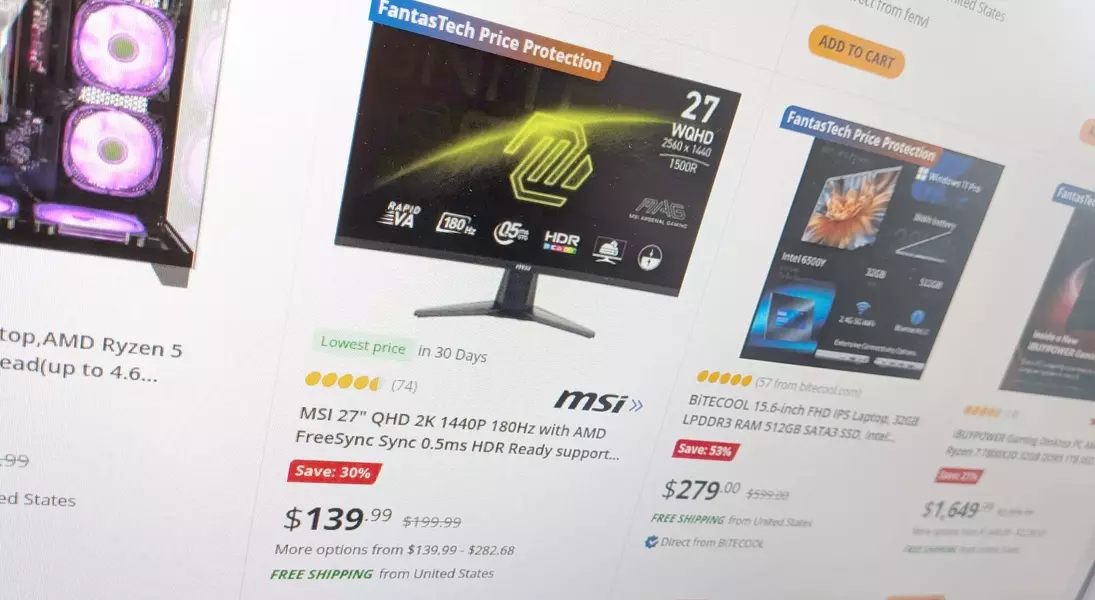
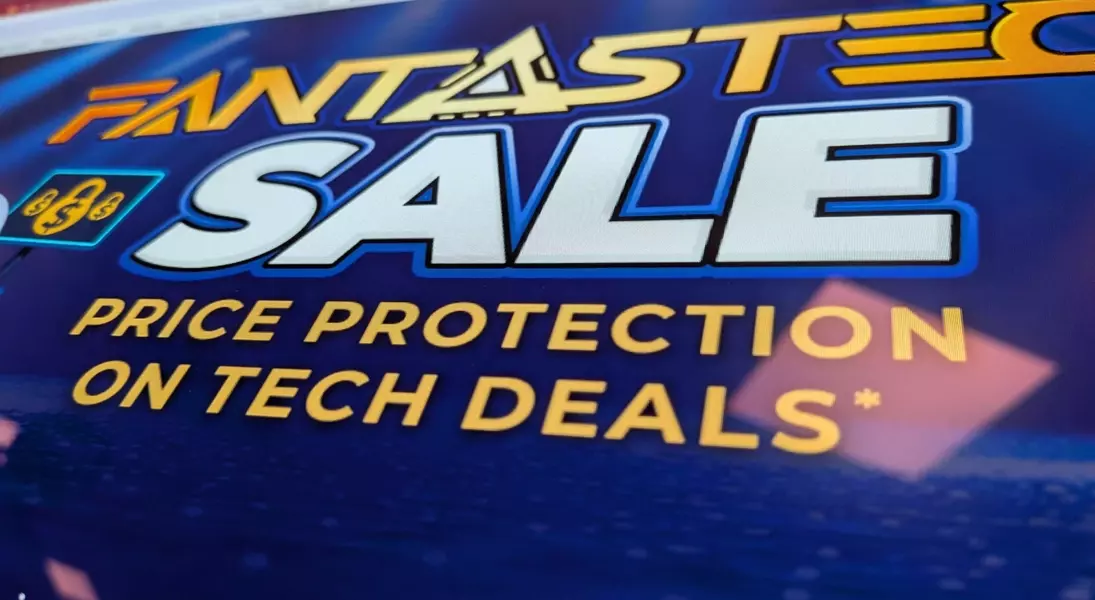
As consumers anticipate Amazon's Prime Day, Newegg has initiated its "Super Dad Father's Day" promotion, presenting a range of technology deals with an added layer of price protection. This feature guarantees a refund for any price reduction on eligible items purchased between June 15 and June 21, extending until June 28. This move aims to alleviate buyer's remorse, allowing shoppers to capitalize on current offers without the fear of missing out on deeper discounts during the subsequent Prime Week. The competitive landscape of online retail means that other major players, such as Best Buy, also offer various forms of price guarantees, though with their own limitations, creating a complex environment for consumers seeking the best value.
The dilemma for many shoppers revolves around whether to seize current offers or to exercise patience, hoping for more significant price drops during the highly anticipated Prime Day events. While Newegg's price protection provides a safety net for early adopters, it's crucial to understand the nuances of such policies. For instance, Best Buy's price match guarantee, while robust, explicitly excludes matching prices from Newegg. This highlights the segmented nature of promotional strategies across different retailers. Ultimately, making an informed decision requires careful consideration of immediate needs, the specific terms of price guarantees, and the broader market trends that often see a surge of competitive pricing around major shopping events.
Understanding Price Protection Schemes for Tech Purchases
Newegg's "Super Dad Father's Day" sale introduces an attractive price protection feature designed to instill confidence in early shoppers. This mechanism allows customers who purchase eligible tech items between June 15 and June 21 to receive a refund for the price difference if the same product is offered at a lower price by Newegg before June 28. This is a strategic move to encourage purchases ahead of Amazon's widely publicized Prime Day, which often triggers a cascade of competitive sales across the retail sector. The guarantee means that buyers can secure desired products without the anxiety of a better deal emerging just days later, making early shopping a less risky proposition.
However, the efficacy of such protection varies by retailer. Best Buy, for example, maintains its own "Price Match Guarantee," which permits customers to request a price match before purchase or a refund for a price difference if an item goes on sale at a qualified competitor within the return window. A critical caveat, however, is that Best Buy does not match prices from Newegg, underscoring the individualized strategies of major electronics retailers. Amazon, known for its dynamic pricing, typically does not offer explicit price matching or protection. Instead, its return policy serves as an indirect form of price assurance, allowing customers to return and repurchase items at a lower price if a drop occurs shortly after their initial purchase. These varying policies necessitate that consumers carefully review the terms and conditions of each retailer before making a significant purchase, especially during peak sales seasons.
Strategic Shopping: Weighing Immediate Buys Against Future Discounts
The period leading up to major sales events like Prime Day presents a strategic conundrum for consumers: purchase now with current discounts and price protection, or wait for potentially larger savings during the main event. Newegg's initiative with its "FantasTech Price Protection" directly addresses this by offering a safeguard against immediate price fluctuations, allowing customers to buy essential computer components or gaming gear without regret if the price drops post-purchase. This empowers shoppers to fulfill immediate needs or secure coveted items without the usual risk associated with pre-holiday purchasing. It's an advantageous option for those who require upgrades or replacements promptly, blending the convenience of early shopping with the security of future price adjustments.
Despite these protections, many experienced shoppers might still lean towards delaying their purchases until Prime Week, which typically sees an aggressive wave of promotions across numerous retailers. The sheer volume and depth of discounts during such periods, often involving flash sales and limited-time offers, can frequently surpass early bird specials, even with price adjustments. The simplicity of acquiring a product at its lowest possible price point, without needing to track price drops or navigate refund processes, is appealing. Therefore, while price protection offers peace of mind for early purchases, the most effective strategy for maximizing savings often involves diligently monitoring deals from various sources, including specialized hardware deal aggregators, to ensure the absolute best value is obtained during the intense competition of major sales events.
