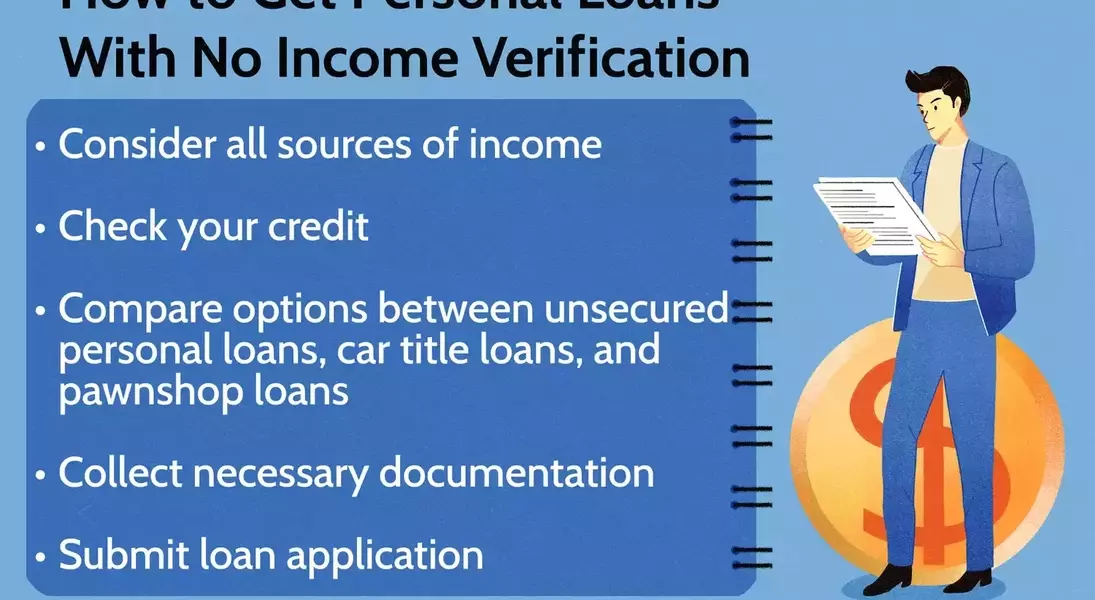

When exploring personal loan options, individuals without conventional employment or a verifiable income stream may discover alternatives. These specialized loan types typically cater to those who can demonstrate other forms of financial stability or possess a stellar credit history. However, these less traditional lending avenues often come with heightened costs and potential pitfalls compared to standard personal loans. Borrowers should meticulously evaluate the terms, including interest rates and fees, before proceeding. Furthermore, considering alternative financing solutions could offer more favorable conditions and mitigate risks.
Understanding the landscape of loans that don't mandate traditional income verification is crucial. While personal loans typically rely on earning capacity and credit history, some lenders extend credit based on other income sources like dividends, Social Security, unemployment benefits, alimony, child support, or pension income. For individuals with exceptional credit scores (ranging from 740 to 850), certain lenders may approve personal loans without requiring proof of ongoing employment. Additionally, secured loans, where assets like property or valuables serve as collateral, offer another path. Pawnshop loans provide quick cash against an item's value, and cash advances or payday loans offer short-term funds, though these typically involve very high interest rates and fees. Each option presents unique considerations, with increased risks often accompanying the absence of income verification.
Despite the immediate accessibility, loans without income verification carry substantial disadvantages and risks. The absence of traditional income assessment means lenders often compensate by imposing higher interest rates and additional charges, sometimes reaching an annual percentage rate (APR) of 300% for options like car title loans. Many of these loans, including cash advances and payday loans, mandate very short repayment periods, sometimes as brief as 30 days. This compressed timeline, combined with high costs, can create a challenging repayment scenario. Borrowers might find themselves trapped in a cycle of debt, taking out new loans to cover old ones, as interest and fees accumulate rapidly. Therefore, a careful evaluation of these financial products and their long-term implications is essential to avoid compounding financial distress.
Navigating the world of personal finance requires diligence and informed decision-making. By carefully assessing all available options, understanding the associated risks, and establishing a clear repayment strategy, individuals can safeguard their financial well-being and pursue a path toward stability and prosperity.
