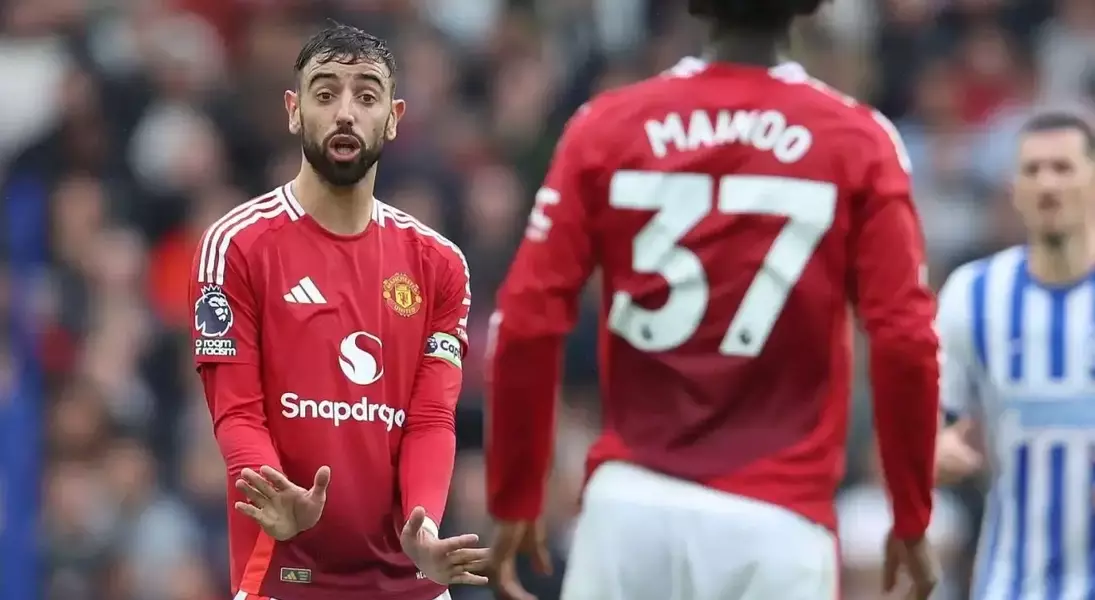
In the dynamic world of professional football, tactical approaches and player management frequently ignite intense debates among fans and pundits alike. A recurring theme revolves around the optimal formation for success in highly competitive leagues such as the Premier League, with the 3-4-3 system often scrutinized for its reliance on exceptional wing-backs and potential vulnerabilities in midfield against elite opponents. This tactical discussion is often intertwined with criticism of managerial decisions, particularly regarding player selection and development. Concerns arise when promising talents are seemingly sidelined, or established players are deployed out of their preferred positions, leading to perceived underperformance and disgruntlement within the squad. Such scenarios prompt questions about a coach's adaptability and willingness to adjust strategies to maximize the team's potential, moving beyond rigid philosophies that might hinder progress.
Another significant aspect of modern football that consistently captures attention is the intricate and often dramatic process of player transfers. The high-stakes negotiations, sometimes involving public disputes and accusations of unprofessional conduct, underscore the complex relationships between players, agents, and clubs. The case of Alexander Isak, for instance, sparked considerable discussion about a player's contractual obligations versus their desire for career advancement, raising ethical questions about loyalty and market value. These transfer sagas frequently expose the competitive nature of top clubs, with accusations of "tapping up" and strategic bidding becoming commonplace. Such incidents not only highlight the financial pressures within the sport but also the emotional investment of fanbases, who keenly follow every twist and turn of these negotiations.
Ultimately, the passionate engagement of football supporters forms the bedrock of these ongoing conversations. From debates over refereeing decisions and on-field physicality to expressions of team pride and inter-club rivalries, fans play a crucial role in shaping the narrative of the sport. The diverse perspectives shared—ranging from insightful tactical analyses to exasperated critiques of perceived injustices—reflect the deep emotional connection many have to their clubs. Even when faced with challenging results or controversial events, the collective enthusiasm and discourse maintain the vibrant and unpredictable essence of football, continually driving discussions forward and celebrating both the triumphs and tribulations of the beautiful game.
The collective passion and diverse opinions within the football community, though sometimes expressed with fervor, ultimately contribute to the sport's rich tapestry. This vibrant exchange of views, even when critical, fosters a deeper understanding and appreciation for the complexities of the game, encouraging continuous improvement and unwavering dedication from all involved. It reinforces the idea that true success in football, and indeed in life, comes from a willingness to adapt, learn, and confront challenges head-on with resilience and integrity.
