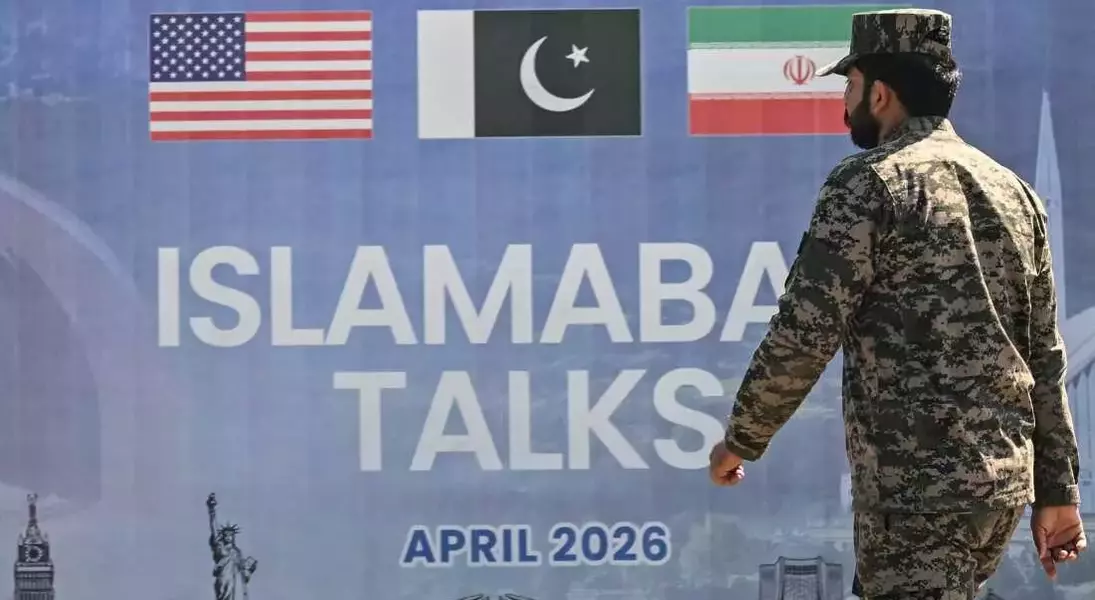
Recent diplomatic efforts between the United States and Iran have reignited discussions about the formidable challenges inherent in securing a lasting agreement. Despite President Trump's hopeful statements regarding a potential permanent resolution, including Iran's possible surrender of enriched uranium, seasoned negotiators who brokered the 2015 nuclear accord caution against overly optimistic expectations. They point to significant mutual distrust and fundamentally different negotiation tactics as major impediments to a swift breakthrough. Past experiences underscore the necessity for extensive engagement and a nuanced understanding of Iranian diplomatic methods.
Former US officials involved in the Joint Comprehensive Plan of Action (JCPOA) negotiations, such as Wendy Sherman and Rob Malley, offer critical insights. Sherman, the lead US negotiator for the 2015 agreement, emphasized the time-consuming nature of these discussions, noting that the JCPOA required 18 months of intensive talks, not a mere day or week. Malley characterized the contrasting approaches: while President Trump tends to be impulsive, Iran's leadership demonstrates unwavering tenacity and determination. This fundamental difference in style often results in prolonged and arduous negotiation processes, requiring immense patience from the US side.
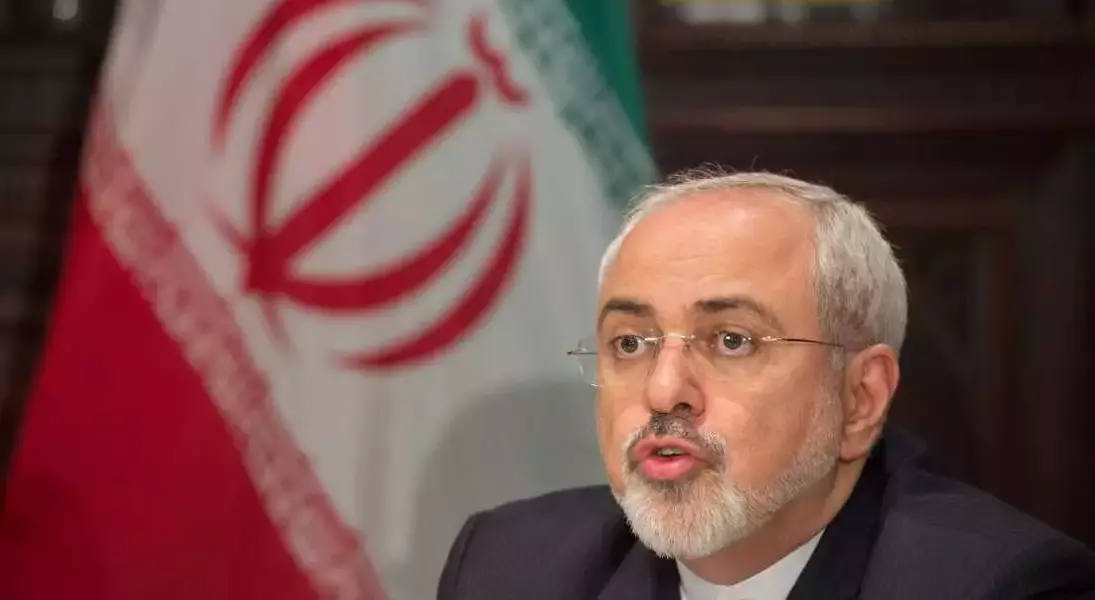
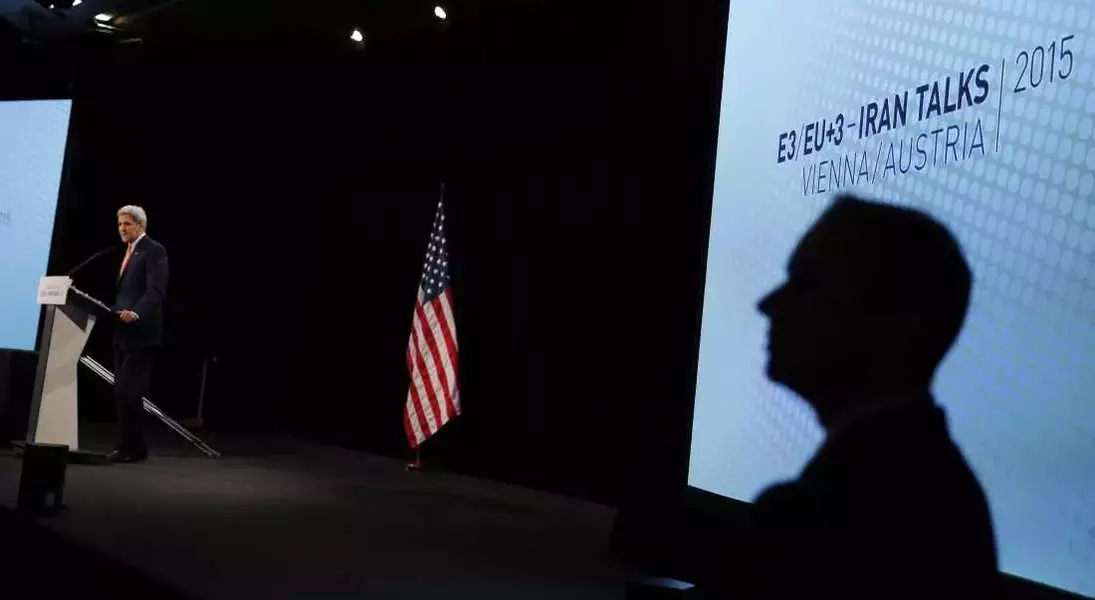
During the 2015 talks, led by then-Secretary of State John Kerry and Iranian Foreign Minister Mohammad Javad Zarif, the final stage alone spanned 19 days in Vienna. Jon Finer, who served as Kerry's chief of staff and was integral to these negotiations, highlighted Kerry's remarkable patience as a key asset. He recounted how Iranian negotiators would often engage in lengthy historical discourses and repeatedly challenge proposals, necessitating persistent re-engagement on the same issues over extended periods to achieve any progress. Finer described the Iranian team as "maddeningly difficult" but also "extremely capable," noting their impressive grasp of intricate details related to nuclear technology, materials, and international sanctions, often without immediate access to advisors.
The current landscape for negotiations is further complicated by a profound lack of trust, exacerbated by recent military strikes against Iranian nuclear facilities. Malley articulated that the Iranians are likely questioning the durability of any commitments made by the US, especially concerning tangible assets like enriched uranium. They are unlikely to relinquish such crucial elements without ironclad guarantees, fearing that future administrations could easily renege on agreements. This deep-seated skepticism mirrors the "distrust but verify" approach adopted by both sides during the 2013-2015 talks.
Moreover, the political context has significantly shifted since the JCPOA. The Iranian leadership that engaged in those earlier negotiations has largely been replaced, with key figures reportedly killed in Israeli airstrikes. This change in leadership, coupled with a diminished military capacity, means that historical lessons from previous diplomatic encounters must be applied with extreme caution. Mark Freeman of the Institute for Integrated Transitions noted that negotiations inherently create a leveling effect, often empowering the weaker party. He also observed that each side constantly seeks leverage, with Iran, for example, using the Strait of Hormuz closure to its advantage. The perceived urgency of one party for a resolution can profoundly influence the entire negotiation dynamic, making comprehensive and patient diplomacy more crucial than ever.
The path toward a lasting agreement between the US and Iran remains complex and fraught with historical baggage. Successful navigation requires an understanding of divergent negotiation styles, a recognition of deep-seated distrust, and the unwavering patience demonstrated by previous diplomatic teams. The current environment, marked by recent conflicts and shifts in leadership, underscores the need for a carefully considered, long-term strategy rather than a rushed approach, emphasizing that meaningful progress often unfolds over months, not days.
