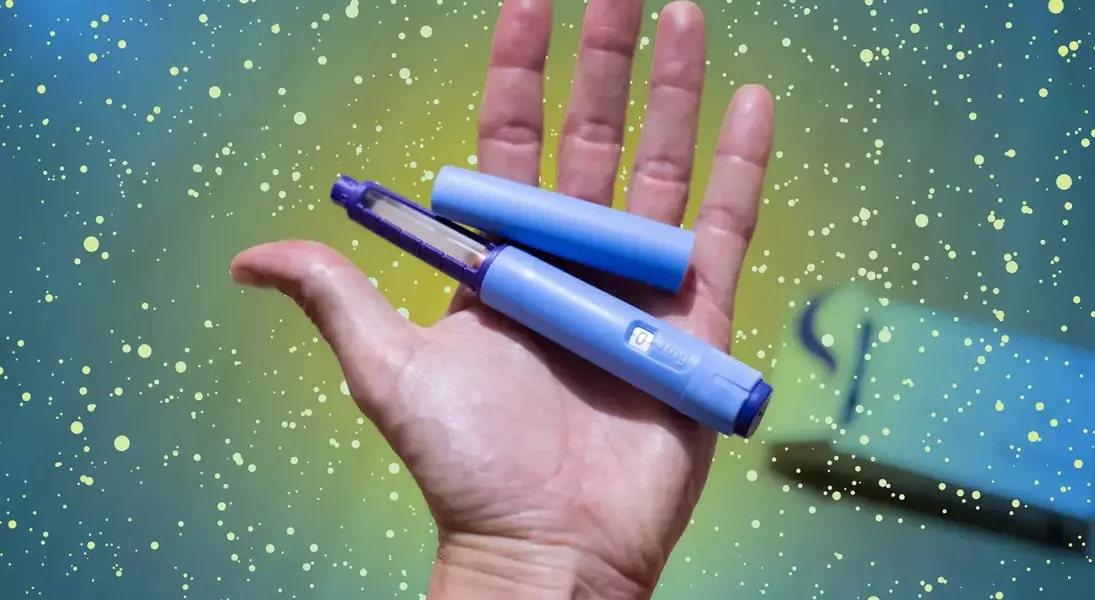
GLP-1 medications are instrumental for managing weight and diabetes, yet many individuals interrupt their usage due to factors like cost or availability. This overview sheds light on the effects of discontinuing and resuming these medications, such as shifts in appetite, weight fluctuations, and variations in blood sugar. It offers expert guidance on how to safely navigate these changes, stressing the importance of consulting medical professionals, adjusting dosages progressively, monitoring for adverse reactions, and upholding a healthy lifestyle for the best possible results.
Understanding the Dynamics of GLP-1 Medications and Interrupted Use
GLP-1 receptor agonists, such as Ozempic and Zepbound, have become prominent in treating type 2 diabetes and promoting weight loss by mimicking a natural gut hormone. This hormone works by curbing appetite, slowing gastric emptying, and enhancing insulin secretion, thereby helping to regulate blood glucose levels. These actions collectively support a caloric deficit, crucial for weight reduction, and improve metabolic markers. Individuals frequently report a diminished appetite, reduced preoccupation with food, and a greater sense of control over eating habits while on GLP-1s. However, despite the benefits, consistent use is often challenging. Gretchen Zimmermann, a registered dietitian, notes that issues like financial strain, inconsistent access, supply shortages, or changes in insurance coverage can lead to interruptions. Some users also mistakenly believe that the weight loss achieved will be permanent, even after discontinuing the medication.
When GLP-1 medication is stopped, several physiological changes can occur. Appetite tends to rebound as the medication’s effects wear off, typically over five to seven weeks, as explained by Ana Reisdorf, another registered dietitian. This increase in appetite often leads to weight regain; studies indicate that many individuals recover about two-thirds of the weight they lost within a year of cessation. Furthermore, metabolic adaptation post-weight loss means the body burns fewer calories at rest than anticipated for the new body weight, making weight maintenance difficult without continued effort. For those with diabetes, inconsistent GLP-1 use can lead to fluctuating blood sugar levels, underscoring the need for careful monitoring and physician consultation, advises Dr. Chhaya Makhija. Emotionally, discontinuing the medication can be frustrating, as the return of strong hunger cues and 'food noise' might lead to feelings of defeat. In these situations, psychological support and behavioral strategies are crucial.
For individuals needing to restart GLP-1 medication, consulting with a physician is paramount. Medical professionals typically recommend resuming at the lowest possible dose, as abruptly returning to a higher dose can trigger severe side effects like nausea and vomiting. This gradual reintroduction allows the body to adapt and minimizes discomfort. Monitoring for side effects is essential, particularly when restarting or increasing the dose, as gastrointestinal issues are common. Maintaining healthy lifestyle habits, including a balanced diet rich in nutrient-dense foods, adequate hydration, and regular physical activity, is also vital. Zimmermann suggests incorporating smaller, well-balanced meals throughout the day and aiming for 150 to 300 minutes of moderate activity weekly, alongside twice-weekly strength training, to support weight management and overall well-being during this transition.
The journey with GLP-1 medications is often intricate, marked by the need for continuous adjustment and support. The insights provided by experts highlight that GLP-1s are not just about weight loss; they are a part of a broader health management strategy that demands careful, consistent attention and a strong partnership with healthcare providers. The focus must be on long-term health and sustainable habits, with medication acting as a supportive tool rather than a standalone solution.
