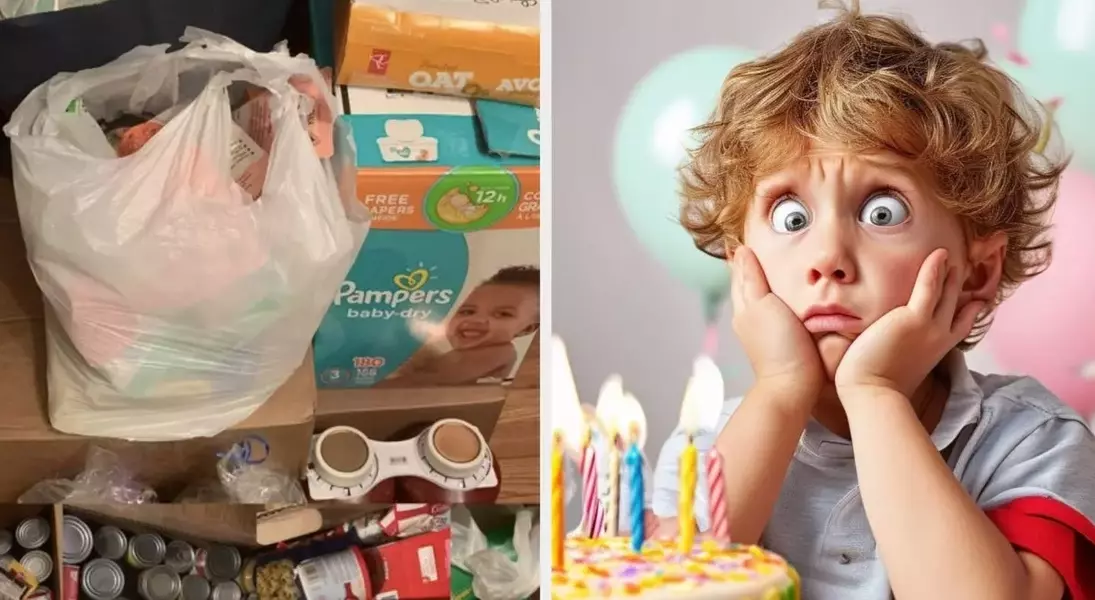
In a world where birthday celebrations have become increasingly elaborate, some parents are opting for a more minimalist approach by implementing a "no-gift" policy. This decision, while well-intentioned, has sparked a range of reactions from fellow parents, each with their own perspectives on the matter. From finding creative alternatives to navigating the social complexities, the "no-gift" birthday policy has become a topic of lively discussion among families.
Unwrapping the Debate: Parents Weigh In on the "No-Gift" Birthday Trend
The Financial Burden of Birthday Gifts
According to a recent survey by What To Expect, parents on average spend $300 on their children's birthday parties, with an average of nine attendees. While the survey did not delve into the specifics of guest gifts, it's clear that the financial implications of birthday celebrations can be significant. Some parents have opted for the "no-gift" policy as a way to alleviate the financial strain on both themselves and their guests.One parent on Quora shared their perspective, stating, "I entirely agree with it because of the environment, the greed gifts create, the hassle gift buying creates, etc." They went on to suggest creative alternatives, such as having their child make a homemade card or making a charitable donation on behalf of the birthday child.
Another parent echoed this sentiment, recounting their experience with a friend who couldn't afford a traditional birthday party. Instead, the friend invited guests to a skating rink, asking them to simply spend time with her daughter as their gift. While some guests still brought gifts, the parent appreciated the thoughtfulness behind the request.
Fostering Mindful Consumption and Reducing Waste
Beyond the financial considerations, some parents see the "no-gift" policy as a way to promote more mindful consumption and reduce waste. As one parent on Quora eloquently stated, "My kid has plenty of toys, and you, my fellow parents, have plenty of expenses in your lives. You should not be wasting money, and I should not be teaching my kid to live a life of mindless consumer excess."This sentiment resonates with the growing awareness of the environmental impact of overconsumption. By encouraging guests to forgo physical gifts, parents can help instill values of sustainability and moderation in their children.
One parent shared their experience with a "no-gift" policy that asked guests to bring non-perishable food items for a local food bank instead. This not only reduced the burden of gift-giving but also allowed the birthday child to participate in the act of giving back to the community.
Navigating the Social Complexities
While the "no-gift" policy may seem straightforward, it can sometimes create social tensions and awkward situations. Some parents have found that guests still bring gifts, despite the clear request, leading to the need to find creative solutions.One parent shared their approach of not opening gifts at the party, instead thanking the guests and setting the gifts aside for later. This allowed the focus to remain on the celebration and the company of friends, rather than the material gifts.
Another parent recounted their experience with a small, close-knit class where the "no-gift" policy was the norm. They found that this approach helped alleviate the constant pressure of gift-giving and allowed the parties to be more about the shared experience.
Balancing Expectations and Preferences
Ultimately, the decision to implement a "no-gift" policy is a personal one, and parents must navigate the delicate balance between their own preferences and the expectations of their guests.One parent shared their "love/hate relationship" with the request, acknowledging the merits of the policy while also recognizing the desire of their children to bring something to the party. Their solution was to have the children make a homemade card, which allowed them to participate in the gift-giving process while still adhering to the "no-gift" request.
Another parent emphasized the importance of communicating the reasoning behind the "no-gift" policy, whether it's due to financial constraints, environmental concerns, or a desire to focus on the celebration itself. By being transparent and open to discussion, parents can help their guests understand and respect the decision.
