In the rapidly evolving landscape of global football, where calendars are packed with competitions, the Leagues Cup stands as a unique battleground for North American clubs. As the sport embraces an era of increased tournaments, this inter-league clash between Major League Soccer (MLS) and Liga MX grapples with its position and purpose.
The New Era of North American Football Rivalry
The Expanding Football Universe and Leagues Cup's Niche
With major tournaments proliferating, including the expanded FIFA Club World Cup and the upcoming 48-team men's World Cup, the football calendar is denser than ever. This raises critical questions about the viability of regional competitions. The Leagues Cup, an annual fixture involving teams from MLS and Liga MX, has recently been revised to sustain its significance within this congested environment. Now featuring 36 clubs, including 18 from each league, the tournament aims to enhance competitive intensity by ensuring direct league-on-league encounters in initial stages and immediately resorting to penalty shootouts for drawn matches. The top three finishers also secure spots in the Concacaf Champions Cup, providing a direct route to the prestigious Club World Cup.
The Enduring MLS vs. Liga MX Dynamic
The rivalry between MLS and Liga MX has deepened significantly over the past half-decade, fostering a fervent atmosphere among fans. This growing connection is evident in recurring events, such as their frequent All-Star Games, which prompt speculation about a potential future merger. According to Leagues Cup executive director Tom Mayo, this cross-border football rivalry is deeply rooted and destined to last for centuries, reflecting a new era of North American football culture. However, the true mainstream penetration of this rivalry faces challenges, particularly in distinguishing the Leagues Cup from other high-stakes encounters, such as the unexpected LAFC vs. Club América Club World Cup qualification match, which captivated audiences without being a scheduled Leagues Cup event.
Adapting Formats and Managerial Perspectives
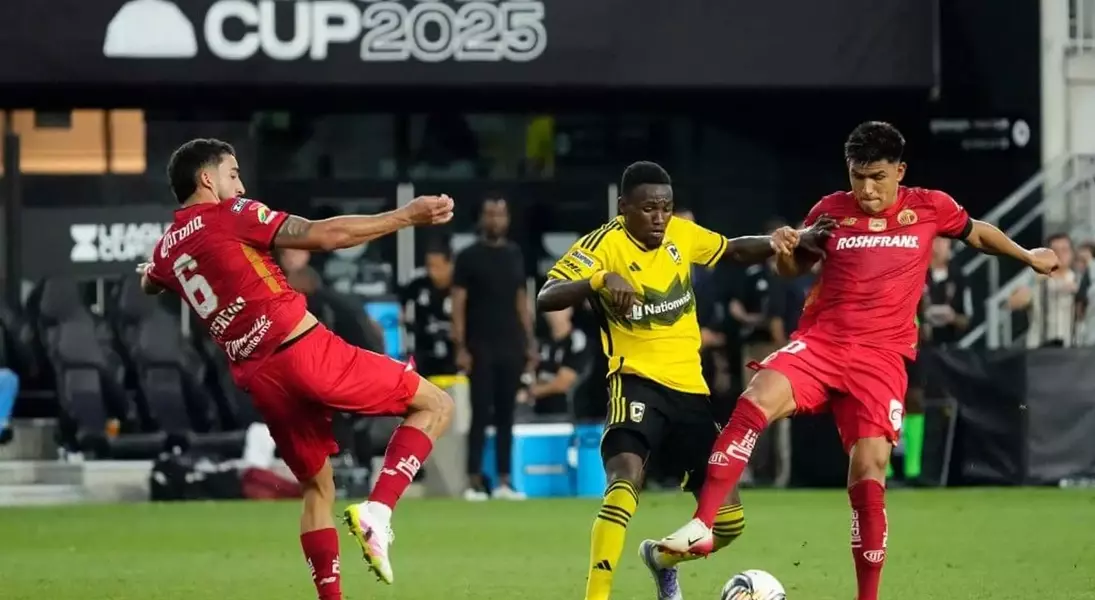
The 2025 Leagues Cup introduced a refined format, with some early matches decided by penalty shootouts, aiming to infuse more drama and immediacy. While not always indicative of underlying competitive tension, the revised structure minimizes downtime for participating teams. Coaches like Gonzalo Pineda of Atlas and Phil Neville of Portland Timbers have expressed approval for the new format, appreciating the reduced inactive periods which help maintain team rhythm for domestic competitions. This condensed schedule and heightened stakes provide a valuable experience, simulating the pressure of international knockout tournaments and sharpening tactical prowess among players and staff.
Strategic Value and Club Perspectives
For coaches and players, the Leagues Cup offers a unique platform for growth and assessment. Real Salt Lake head coach Pablo Mastroeni views the tournament as an invaluable opportunity for his team to measure its standing against North America's elite. Competing against top strategists from both leagues allows for continuous learning and the exploration of diverse tactical approaches. Such high-level exposure fosters confidence and provides a realistic gauge of a team's capabilities on an international stage. Yet, this positive outlook is not uniformly shared across all levels of football management. Some MLS sporting directors express reservations about the tournament's timing, citing interruptions to the regular season and playoffs. Concerns also linger about the tournament's overall impact, with some suggesting its popularity in 2023 was primarily driven by Lionel Messi's arrival rather than its intrinsic appeal.
The Messi Effect and Future Prospects
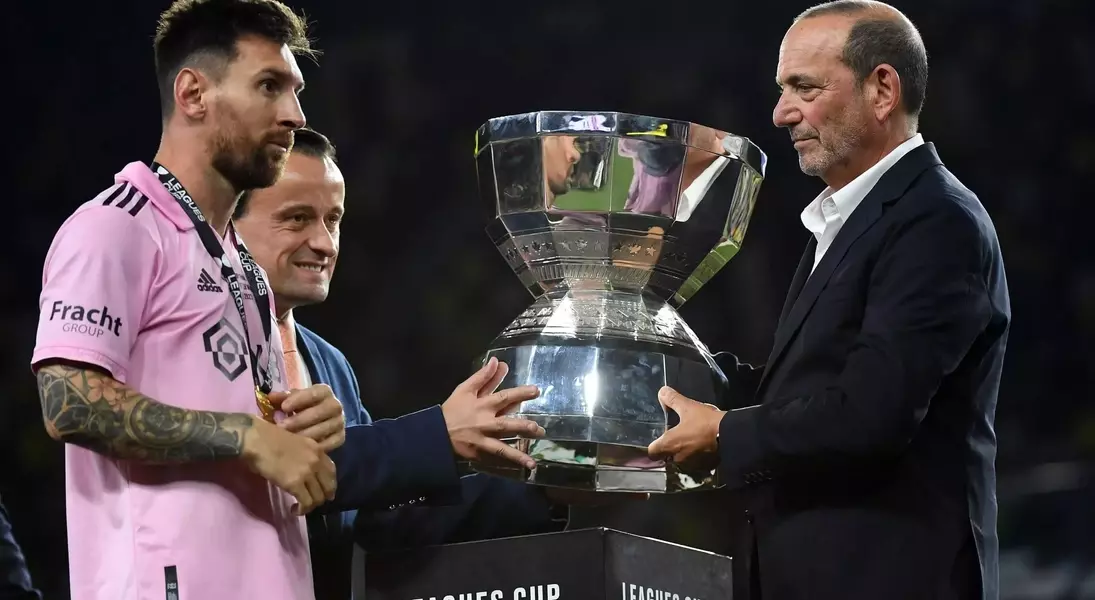
The 2023 Leagues Cup enjoyed immense success, largely attributed to Lionel Messi's electrifying debut and subsequent stellar performance, leading Inter Miami to victory. His absence from the 2024 edition, however, noticeably diminished the tournament's resonance. For the 2025 competition, Inter Miami's strategy for managing key players like Messi, Luis Suárez, Jordi Alba, and Sergio Busquets, particularly in light of their aspirations for the MLS Cup and participation in the Club World Cup, will be crucial. The addition of Rodrigo De Paul could further elevate the tournament's profile. Despite concerns about calendar congestion voiced by players' unions, the Leagues Cup executive director Tom Mayo remains optimistic. He envisions the tournament as a foundational element for the future of North American football, laying groundwork for enduring competitive value, even as major global events come and go from the region.
