
In an era reminiscent of past technological revolutions that reshaped economies and societies, the current surge in AI development presents both immense opportunities and significant investment complexities. Drawing parallels from the transformative impacts of railroads, electricity, and the internet, this analysis underscores the critical need for investors to differentiate between groundbreaking innovation and actual financial returns. As Elon Musk's ambitious space ventures, including the concept of a self-sustaining lunar city, capture global imagination, the underlying economic realities and market dynamics demand a prudent and discerning investment approach.
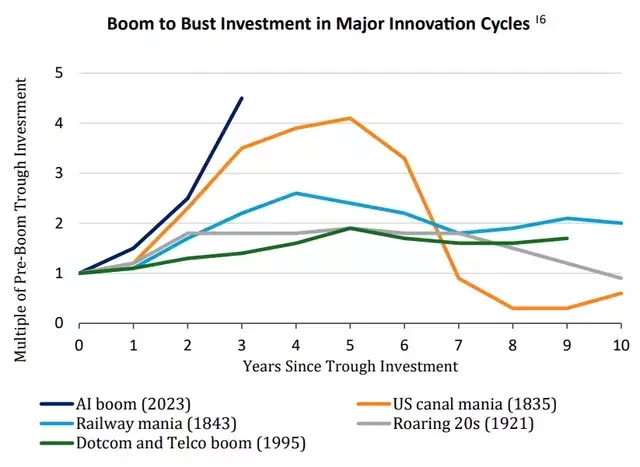
Historically, advancements like railroads dramatically shortened travel and transport times, fostering economic growth and expanding markets. Similarly, the widespread adoption of electricity revolutionized industrial production, and the internet fundamentally altered global commerce. Each of these periods, while ushering in unprecedented progress, also witnessed speculative bubbles, overinvestment, and substantial capital losses for those who failed to navigate the ensuing market corrections. The canal boom of the 19th century, for example, rapidly gave way to the dominance of railroads, leading to widespread defaults among canal operators. The subsequent railway expansion, despite its transformative power, was plagued by overbuilding and bankruptcies, notably during the Panic of 1893. Even the electrification of industries, though fundamentally beneficial, saw the collapse of leveraged utility empires in the 1930s due to unsustainable financial structures. The dot-com bubble of the late 1990s and early 2000s further cemented this pattern, where internet-driven businesses experienced massive shareholder value destruction despite the internet's undeniable long-term impact on global connectivity and commerce.
Today, the AI and data center infrastructure buildout stands as the next frontier. Projections suggest that capital investment in this sector will reach trillions of dollars by 2030, with AI-related spending expected to account for a significant portion of GDP growth. This scale of investment surpasses historical boom periods, such as the telecom boom of 2000. While the potential for AI to transform industries is vast, the investment landscape is fraught with questions regarding return on investment, competitive sustainability of AI models, and the risk of infrastructure obsolescence, particularly if orbital data centers become a reality. The 'Jevons Paradox,' which suggests that increased efficiency in resource use can lead to greater overall consumption, adds another layer of complexity, implying that declining AI token prices might not necessarily reduce overall expenditures.
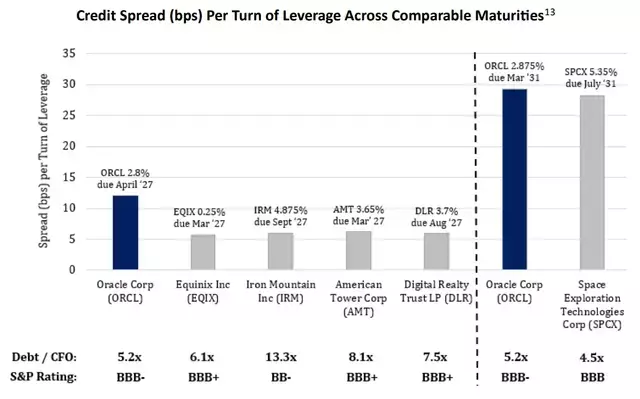
Against this backdrop of rapid technological change and market speculation, a cautious and selective investment strategy is paramount. Investors must scrutinize credit quality, leverage, and the long-term viability of business models. For instance, in the realm of high-yield investments, opportunities that offer acceptable returns coupled with robust lender protections are preferred. The Nordic credit market, for example, has offered attractive value in data center financings, providing superior bondholder safeguards through stricter covenants compared to some U.S. counterparts. Additionally, identifying undervalued investment-grade credits, such as Oracle, which boasts recurring revenue and strong cash flow, can provide stability amidst market volatility. Oracle's strategic financing plan, addressing its AI investment needs, exemplifies a company committed to maintaining a strong balance sheet while pursuing ambitious growth. Similarly, unique situations like the refinancing of Warner Bros. Discovery's debt, or the complex restructuring and liquidation of Spirit Airlines, offer discerning investors specific pathways to capitalize on favorable risk-reward profiles through careful analysis of deal terms and collateral security.
The journey towards future technological paradigms, from the vastness of space to the intricacies of artificial intelligence, is undeniably inspiring. However, while grand visions may capture headlines, sustainable investment success hinges on a grounded understanding of economic principles. The history of technological booms teaches us that while a frontier may be real and technology may function, the mechanisms of financing, market competition, and the ultimate demand for capital returns remain constant. Prudence, detailed due diligence, and a discerning eye for value in credit markets are essential to navigating these transformative periods, ensuring that investment returns are firmly rooted in economic reality rather than speculative fervor.
