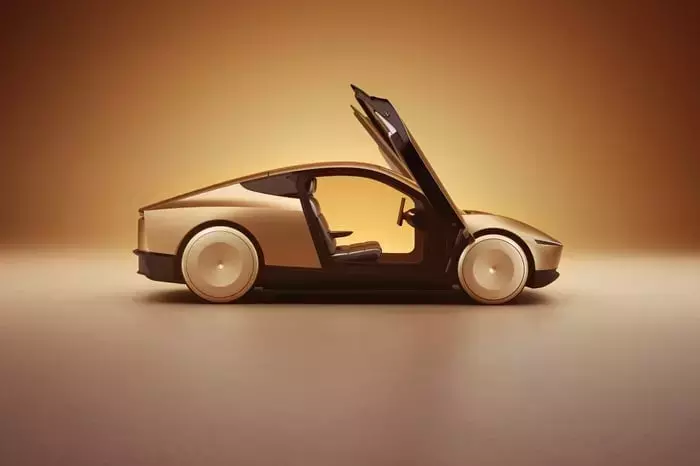
Tesla, a company that has revolutionized the electric vehicle market, is now charting an ambitious course toward a future dominated by robotics, artificial intelligence, and autonomous taxi services. This strategic pivot moves beyond its successful history of producing cutting-edge electric cars, which single-handedly reshaped consumer perceptions and made electric mobility desirable. The company's vision for fully self-driving vehicles, often referred to as robotaxis, represents the next frontier, requiring a significant leap of faith from both investors and consumers alike.
In June, Tesla initiated a pilot program for its much-anticipated robotaxi service, a step that, while significant, came with certain limitations. The initial rollout involved a small fleet of 10 to 20 vehicles, each accompanied by a company employee in the passenger seat, and was accessible only to a select group of invitees. While some early assessments lauded the service for its smooth operation and impressive maneuverability, a recent survey conducted by the American Automobile Association (AAA) revealed a prevailing sense of hesitation among the general public regarding autonomous driving technology. The survey indicated that a substantial 87% of drivers expressed either uncertainty or outright fear concerning self-driving vehicles, a notable increase in apprehension compared to four years prior. This widespread consumer distrust is also reflected in the broader automotive industry, with reports suggesting that other major manufacturers are reconsidering or pausing their autonomous driving initiatives due to high costs, technological hurdles, and public skepticism.
Despite the challenging consumer sentiment, Tesla remains committed to its long-term vision. The company’s leadership views this shift toward robotics, AI, and robotaxis as fundamental to its future growth, even if it entails overcoming significant public resistance. Historically, major technological advancements, from the automobile to smartphones, have often been met with initial skepticism and apprehension. The key to success lies in building a compelling, safe, and reliable service that can gradually win over the public. While the path to widespread adoption of driverless vehicles may be fraught with obstacles, Tesla's conviction in its innovative approach suggests a willingness to tackle these challenges head-on, believing that societal acceptance will follow once the benefits and safety of autonomous transportation are unequivocally demonstrated. This bold trajectory, while riskier than its traditional vehicle production model, underscores Tesla's unwavering belief in shaping the future of mobility.
Embracing groundbreaking innovation often requires overcoming ingrained resistance and challenging conventional wisdom. The journey toward a future where autonomous vehicles are commonplace is not merely about technological advancement but also about fostering trust and demonstrating tangible benefits to society. Just as previous generations adapted to revolutionary technologies, the current era is poised to witness transformations that redefine convenience, efficiency, and safety in transportation. This evolution underscores the importance of perseverance, visionary leadership, and a steadfast commitment to progress, ultimately paving the way for a more connected and technologically advanced world.
