

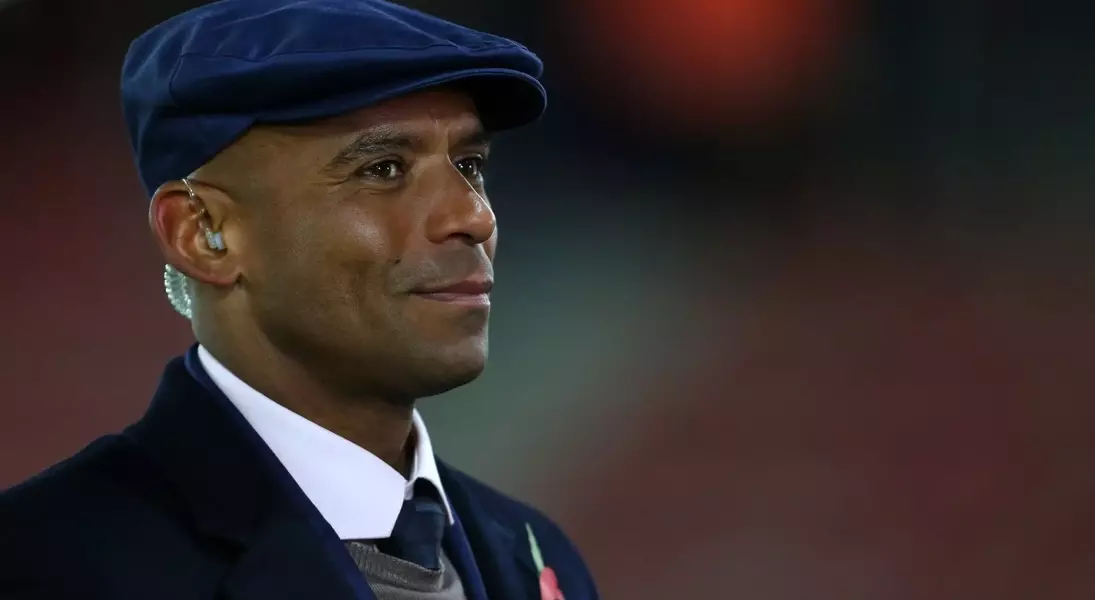



The story of Dean Windass, a former professional footballer, serves as a poignant illustration of the financial vulnerabilities many athletes face upon retiring. Despite a successful 18-year career spanning various English and Scottish divisions, Windass found himself facing bankruptcy just seven years after hanging up his boots. His predicament stemmed from a substantial tax bill linked to a misguided investment in the film industry, compounded by a costly divorce settlement. Windass's experience is far from isolated; numerous other former England internationals, including David James, Wes Brown, and Lee Hendrie, have encountered similar financial hardship post-career. These cases frequently involve common threads such as poor investment choices, expensive divorces, or unsustainable opulent lifestyles. The widespread nature of these financial struggles raises critical questions about the support structures available to professional athletes in managing their wealth and preparing for life after football.
Addressing the root causes of these financial crises often points to a significant gap in financial education and guidance within the football industry. Curtis Anderson, a former England Under-17 World Cup winner who transitioned from football to financial planning, highlights the minimal support young players receive regarding their finances. He notes that while clubs offer advice on gambling and alcohol, comprehensive financial literacy is largely absent. This lack of awareness often leads players to spend their high salaries on depreciating assets like luxury cars and extravagant lifestyles without adequate long-term planning. Soufyan Daafi, co-founder of Sport Legacy, echoes this sentiment, emphasizing the importance of early financial education to prevent a drastic lifestyle gap once playing salaries cease. Both Anderson and Daafi advocate for proactive financial planning from a young age, recognizing that many players, like Ryan Babel, learn the hard way about unsustainable spending habits and the fleeting nature of their earnings and entourage once the money runs out.
While official statistics on footballer bankruptcies vary, the undeniable frequency of high-profile cases underscores a systemic issue. These financial collapses often occur despite players earning millions, particularly in the Premier League. The stories of David James, whose divorce led to bankruptcy, and Lee Hendrie, whose investment misfortunes and divorce contributed to mental health struggles, vividly illustrate the severe consequences. These narratives consistently point to issues like misunderstanding tax obligations, falling victim to dubious investment schemes, and the immense financial strain of divorce after retirement. The collective experience of these players, marked by substantial income and subsequent financial devastation, highlights a crucial need for robust financial guidance and education throughout a footballer's career. Ensuring players are equipped with the knowledge and resources to manage their wealth responsibly is not just about preventing bankruptcy; it's about fostering long-term well-being and stability for individuals who dedicate their lives to the sport.
The prevalence of financial distress among former professional athletes, despite their lucrative careers, underscores a critical societal lesson about financial literacy and responsible planning. It highlights that wealth alone does not guarantee stability, and without proper guidance and a conscious effort to understand personal finance, even the most significant earnings can quickly dissipate. This situation compels us to reflect on the importance of education and proactive decision-making in all walks of life. Just as athletes train rigorously for peak physical performance, they, and indeed all individuals, must also be equipped with the mental fortitude and practical knowledge to navigate financial complexities. Embracing financial wisdom, making informed choices, and seeking expert advice are not merely protective measures against hardship but are fundamental steps toward building a secure and fulfilling future, reminding us that true success encompasses not only professional achievements but also sustainable personal well-being.
